Approved in 1880, the Enfield revolver was the first to be designed and made ‘in house’ at a government factory, rather than buying in weapons from the trade. The calibre of the barrel was 0.450 in (LoC 3776, 10th Aug 1880) but was categorised as being 0.476 calibre, featuring distinctive Henry rifling (had it been a rifle, it would undoubtedly have been called the Enfield-Henry revolver). There were three marks of ammunition for the revolver. The first, approved in 1880, seems to have disappeared without a trace, with no reference being made in the LoC, other than a footnote in the reference for the mark 2 ammunition that ‘A small supply of cartridges, Mark I, has been sent to India, but no more of that pattern will be made. They differed from Mark II in form and dimensions of bullet’ (LoC 3792, 30th Nov 1880). The marks 2 and 3 bullets are shown below.
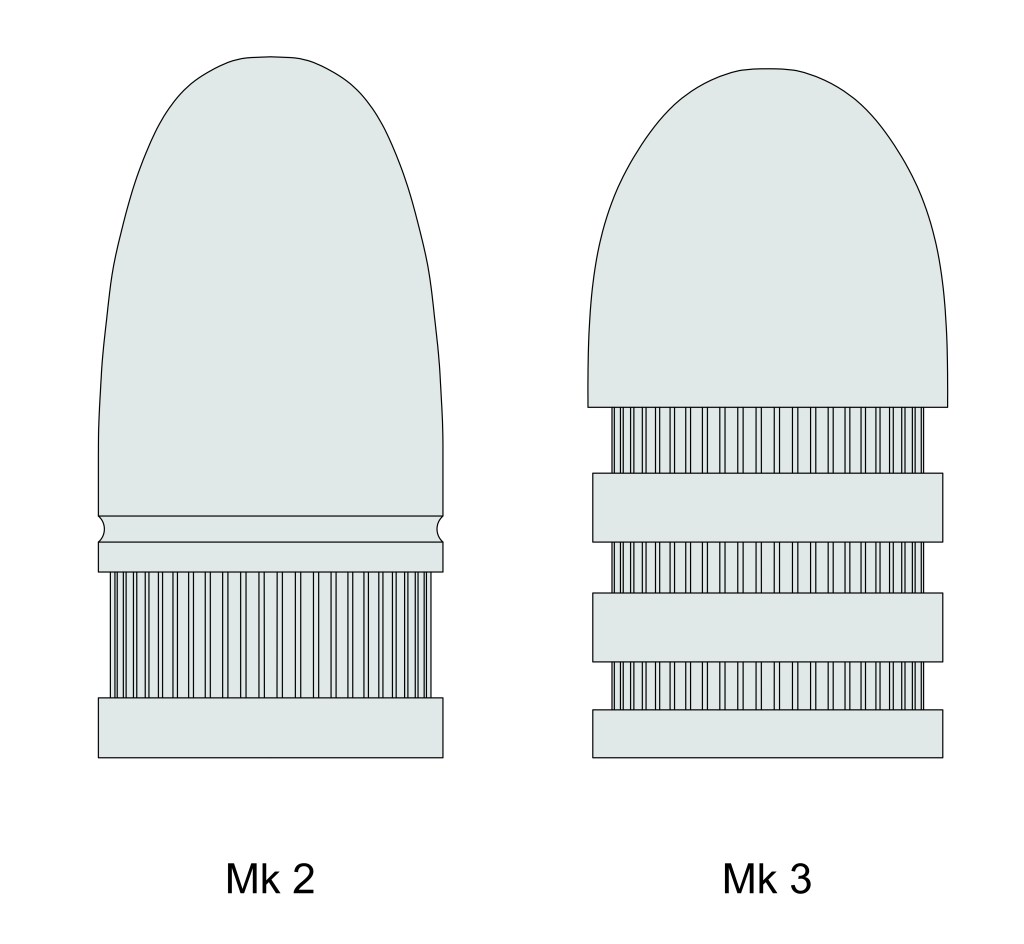
Mark 2 bullet
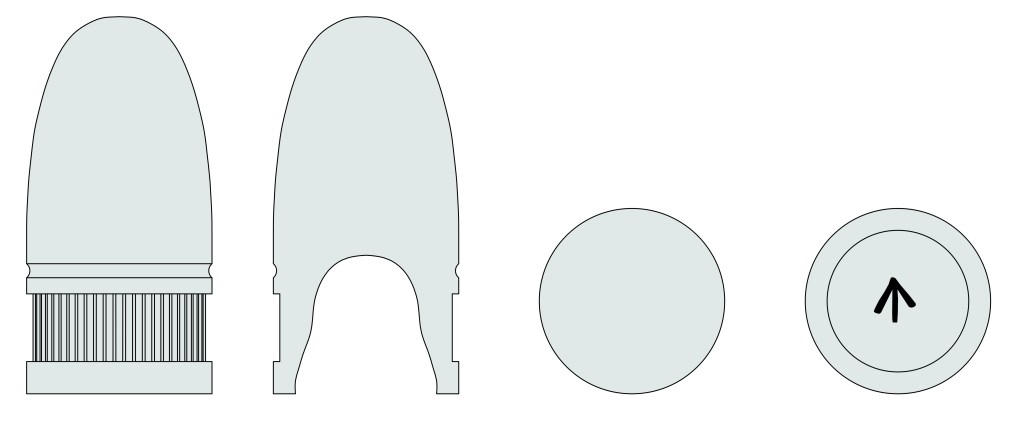
Mark 2 official weight and dimensions:
- Weight: 265 gn (17.2 g)
- Diameter: 0.455 in (11.5 mm)
- Length: 0.897 in (22.8 mm)
This bullet has an unusually wide lower cannelure and a non-uniform base cavity. The initial method of fixing the bullet and case together was for the case to be coned onto the bullet, at the neck, but in June 1881, the bullet began to be fixed by three neck stabs. The stabs can usually be identified on bullets even after firing.
Mark 2, unfired
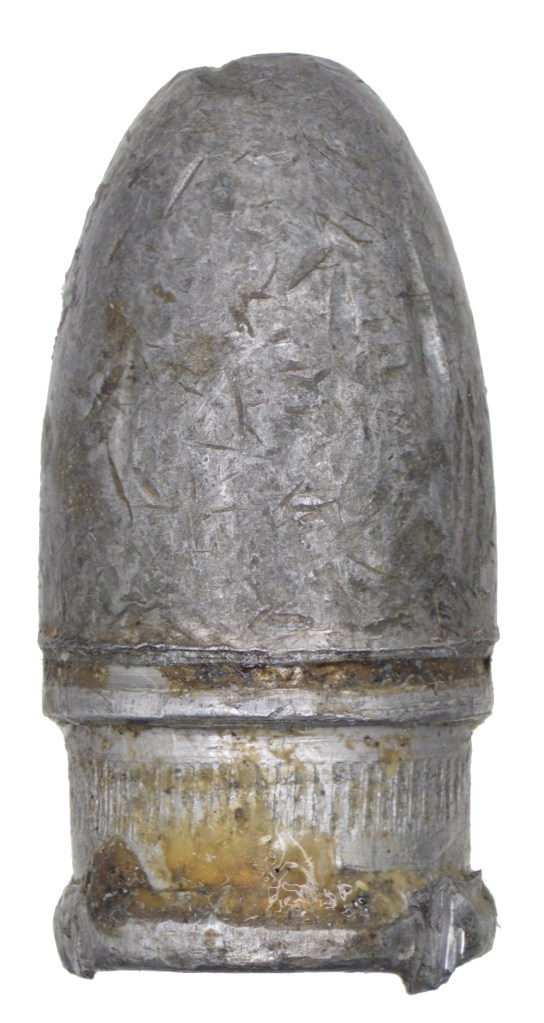
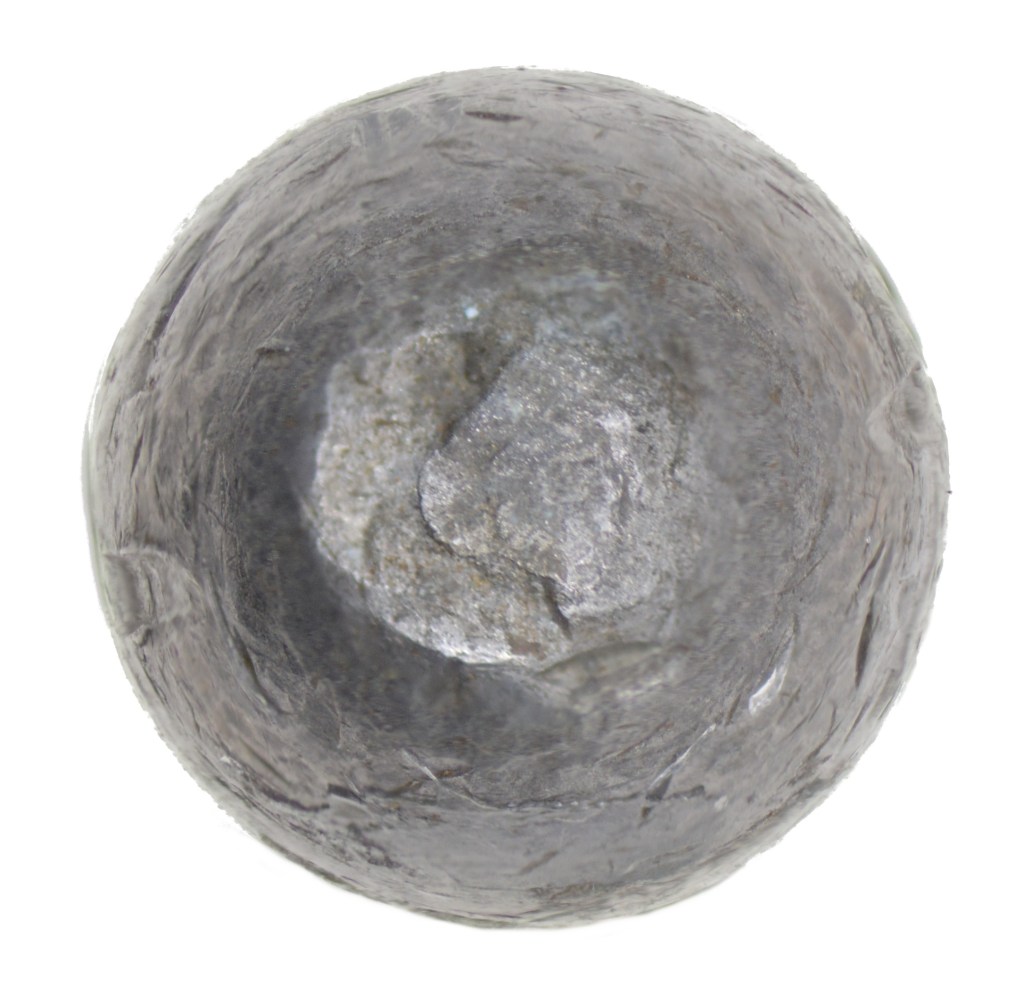
- Weight: 268 gn (17.3 g)
- Diameter: 0.457 in (11.6 mm)
- Length: .898 in (22.8 mm)
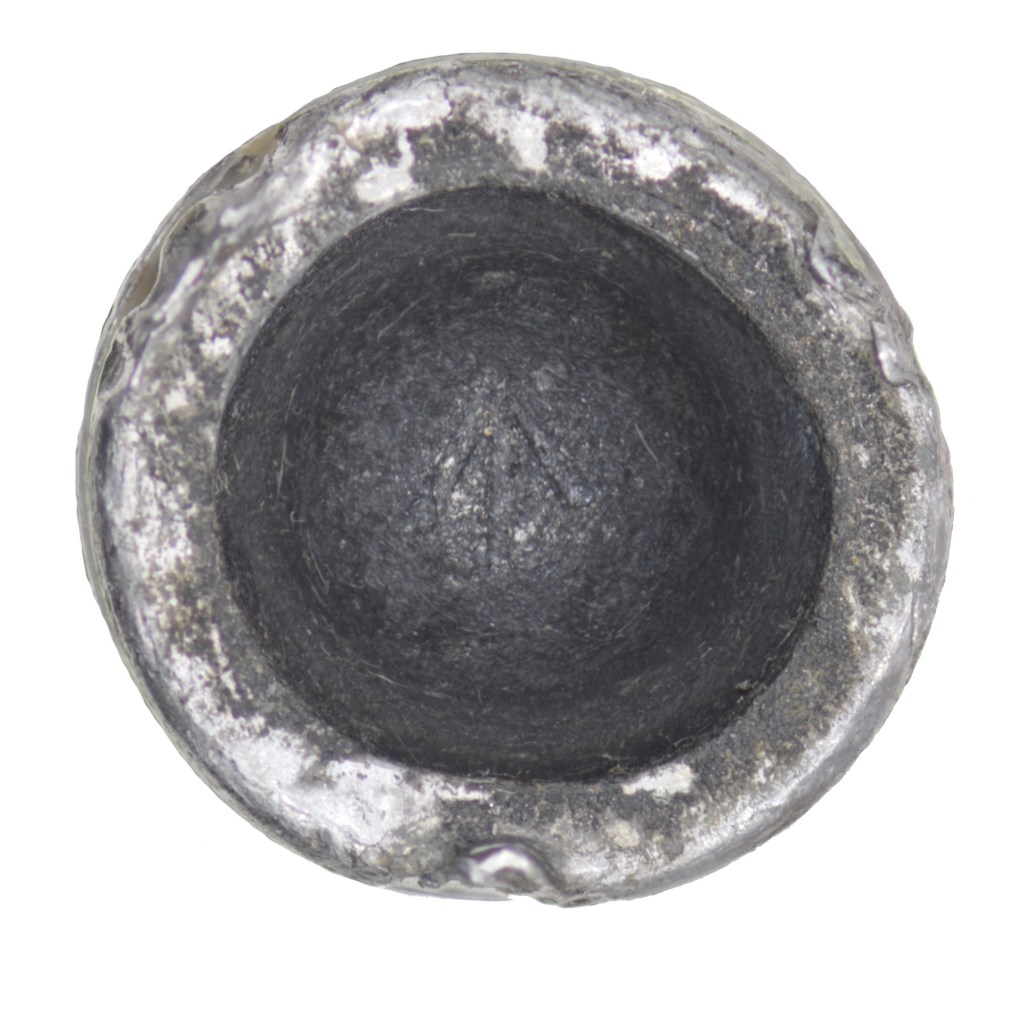
The lubricant is still visible in the wide cannelure of this mark 2 bullet. The knurling can be seen to have only imprinted on the centre of the cannelure. The base cavity is marked with a broad arrow and the bullet came from a case without a headstamp, which was standard. The case neck stabs are clearly visible on the bullet, causing significant rub back to the base when it was extracted.
Mark 2, unfired, commercial
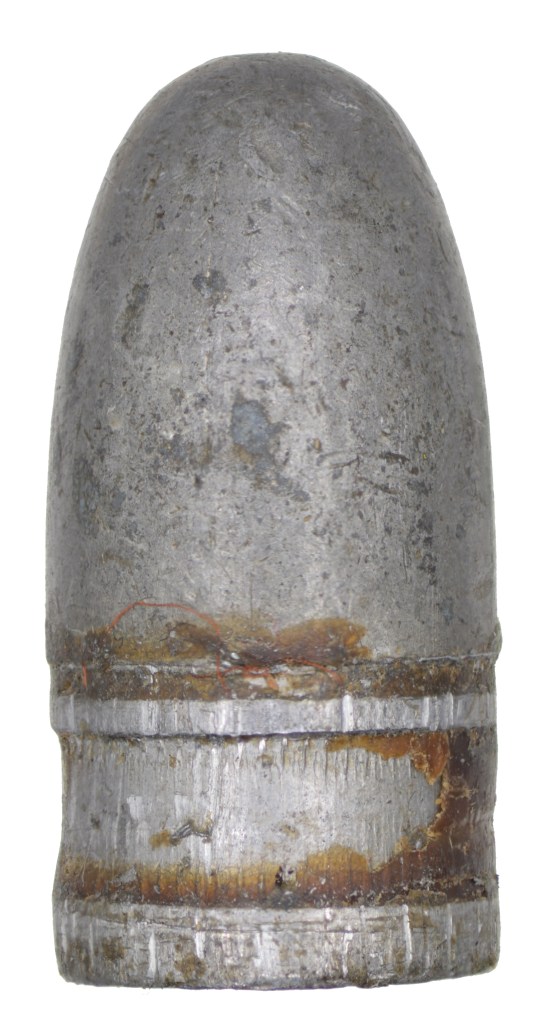
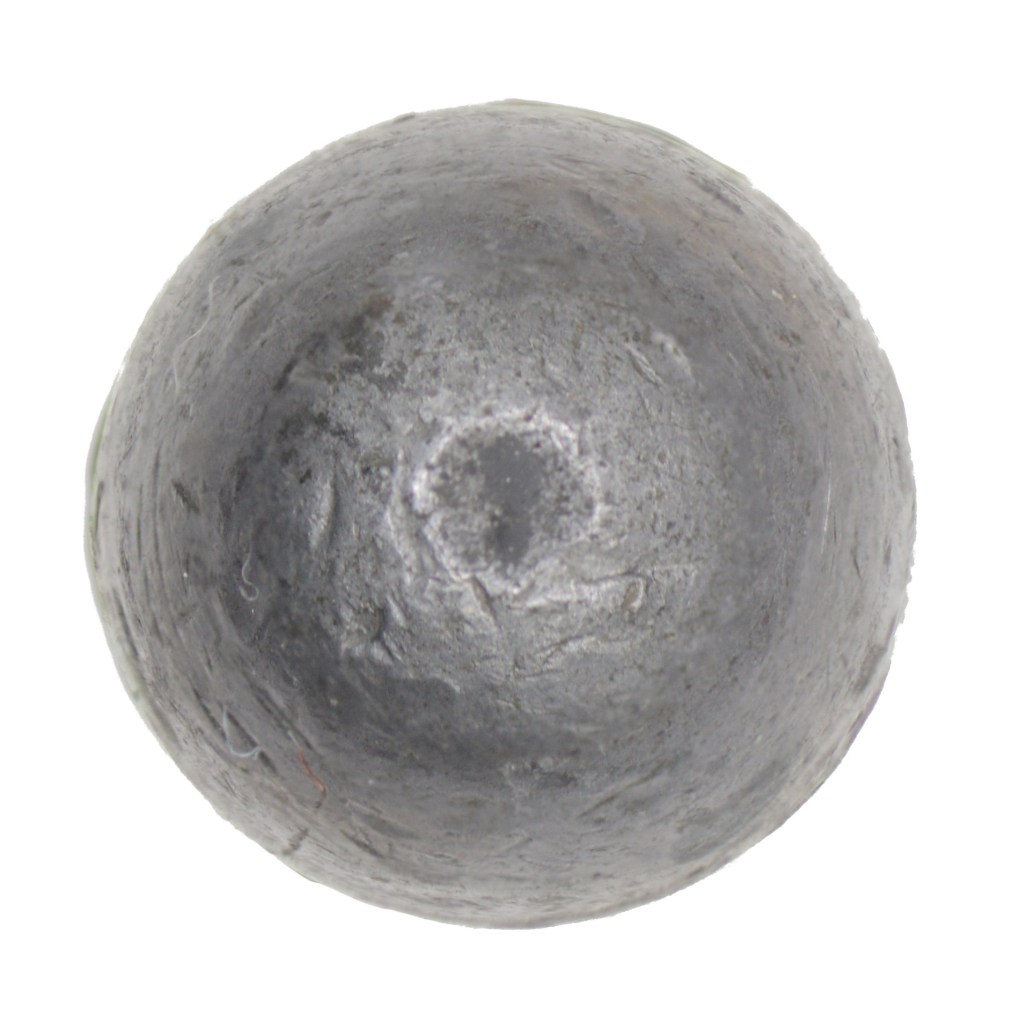
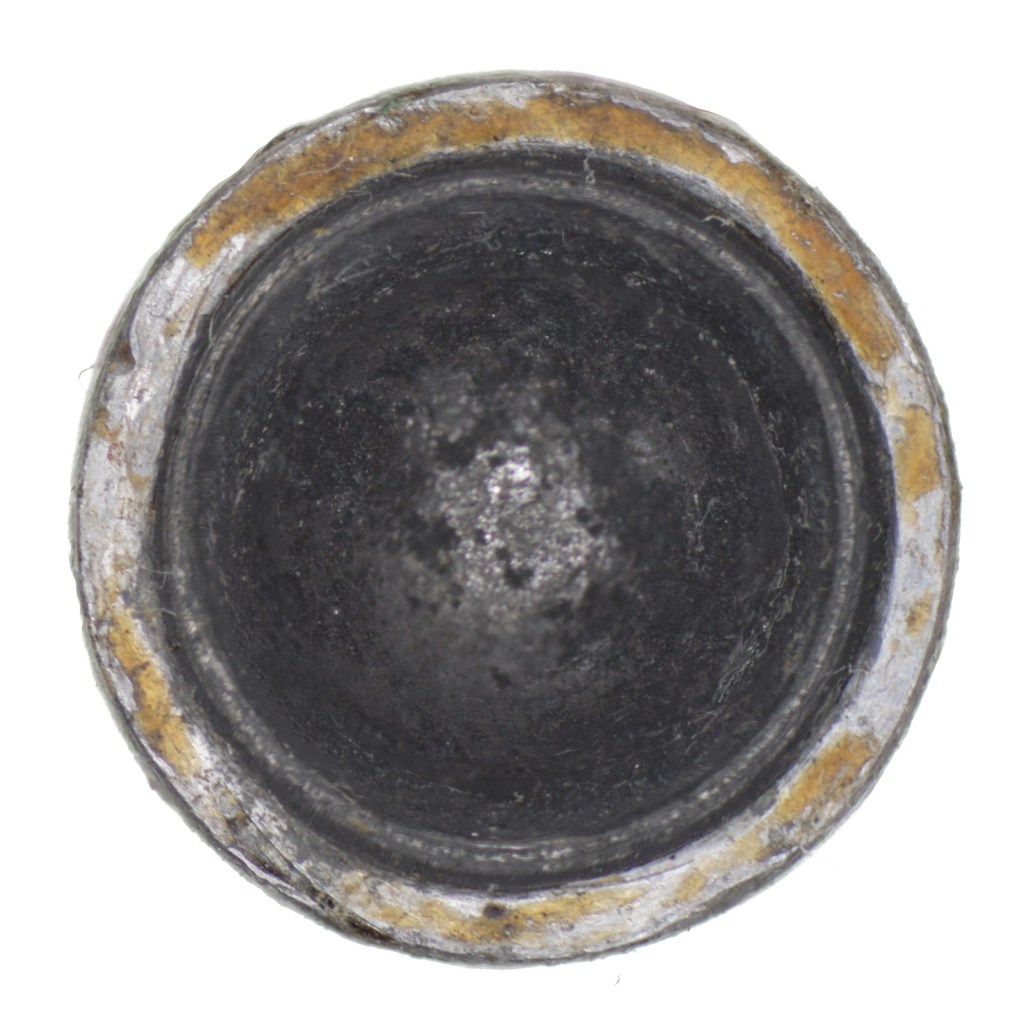
- Weight: 267 gn (17.3 g)
- Diameter: 0.455 in (11.5 mm)
- Length: 0.918 in (23.3 mm)
This mark 2 bullet is a commercially produced variety, by Eley (the case was headstamped ELEY LONDON .455). The case was not neck-stabbed onto the bullet, so it is either a pre June 1881 variety, or a differentiation based on the fact it is commercial. The cavity has an unusual minor step, just up from the base of the bullet, visible in the image on the right.
Mark 3
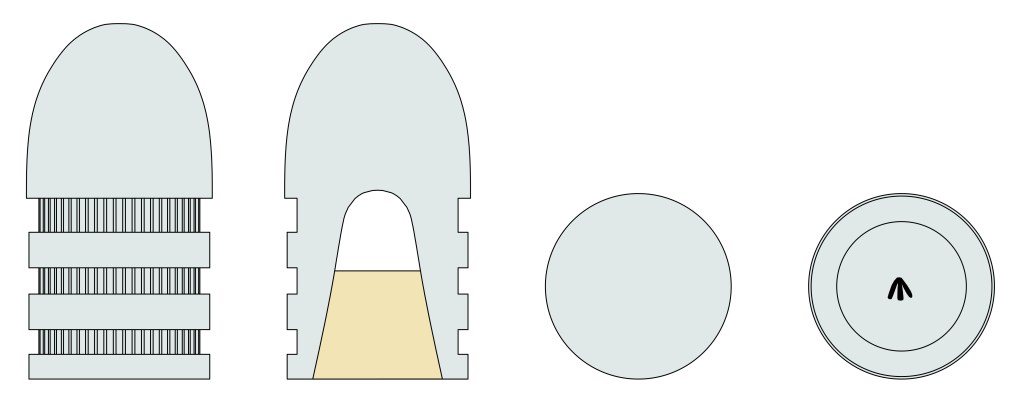
The illustrations above show a broad arrow stamped bullet, with knurled cannelures, while that below shows a bullet without knurls, from a commercial cartridge.
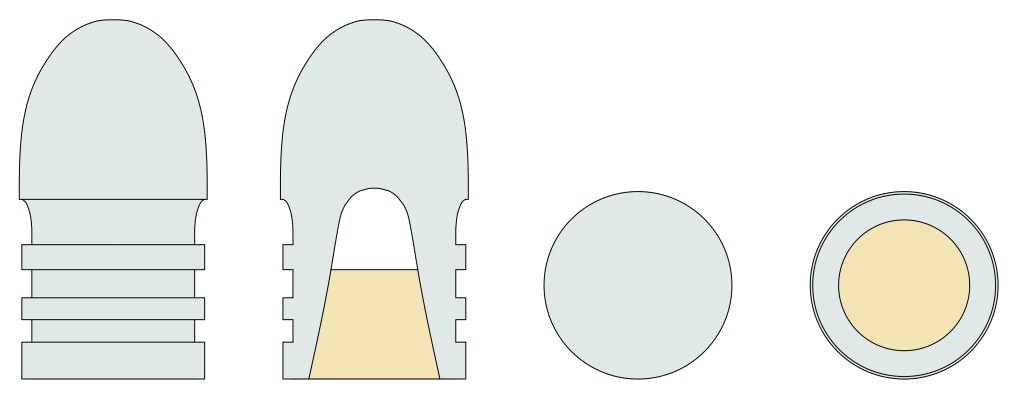
Mark 3 official weight and dimensions:
- Weight: 265 gn (17.2 g)
- Diameter of upper body: 0.477 in (12.1 mm)
- Diameter of lower body: 0.455 in (11.5 mm)
- Length: 0.907 in (23 mm)
The mark 3 bullet was approved in Dec 1881, featured three cannelures and these have been observed as both knurled and plain, the upper of which was visible above the top of the case. The top of the bullet was characteristically bulbous, extending outside of the diameter of the case. The base cavity (stamped with a broad arrow) was filled with a baked clay plug, unique amongst revolver bullets (the final bullet for the P53 Enfield and all Snider bullets had clay plugs). LoC 3970 states the plug weighs 7 grains.
Mark 3, unfired
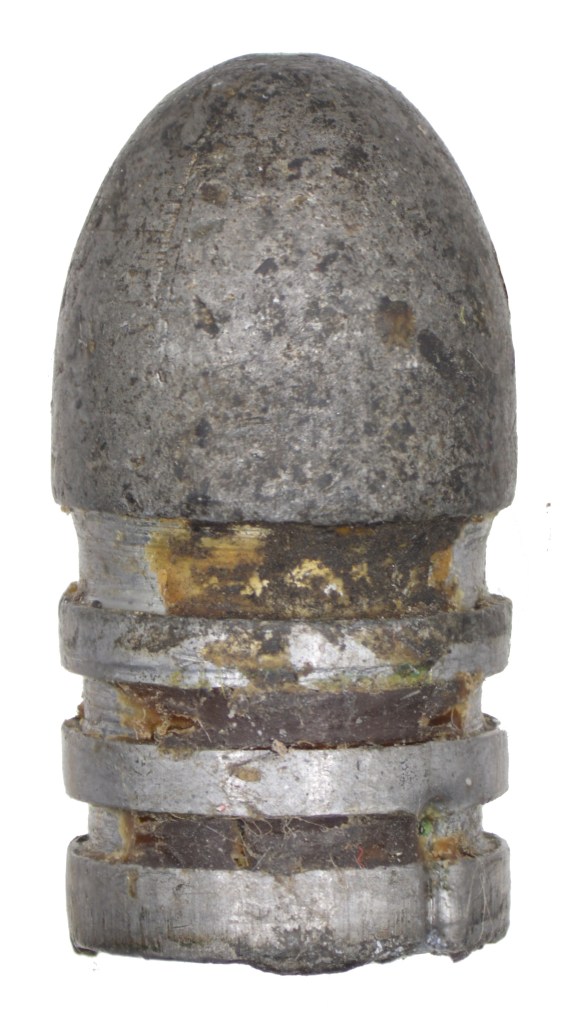
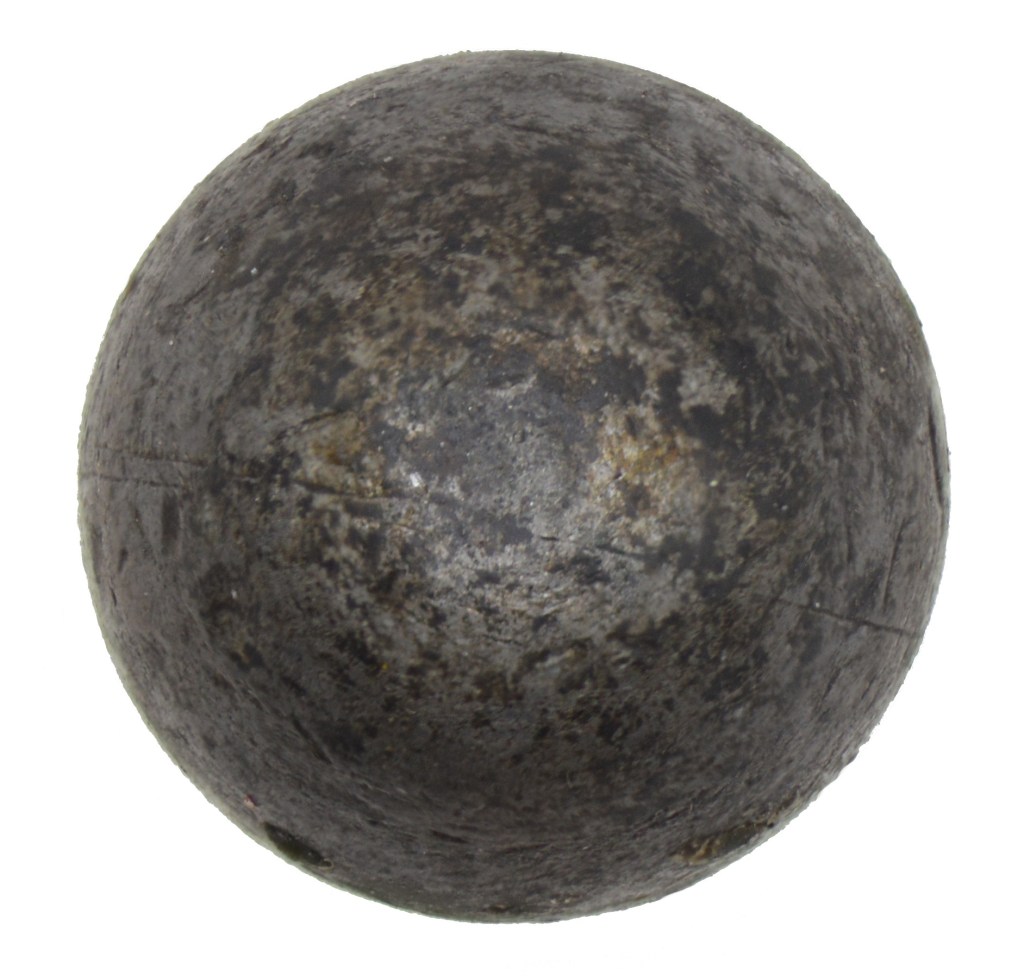
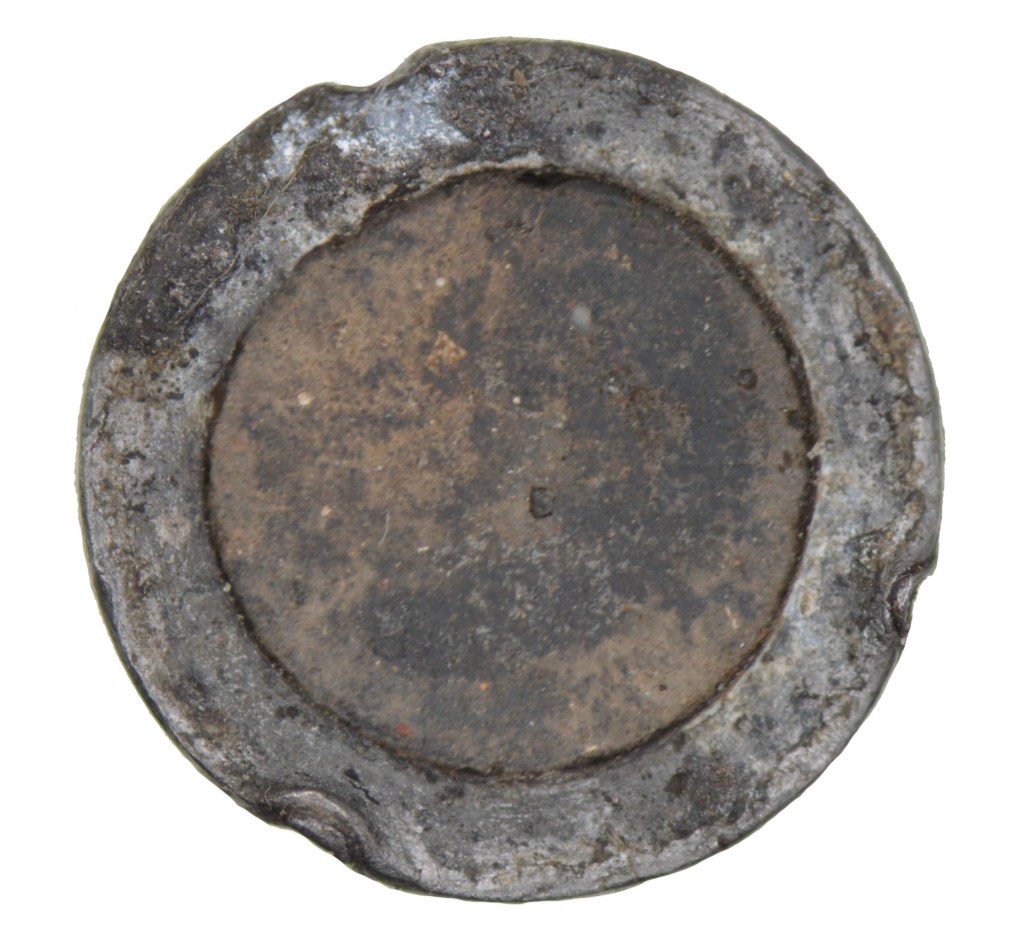
- Weight with plug and lubricant: 290 gn (18.8 g)
- Diameter of upper body: 0.473 in (11.9 mm)
- Diameter of lower body: 0.457 in (11.6 mm)
- Length: 0.903 in (23 mm)
This unfired bullet is a commercially made variety and features plain cannelures. The neck stab damage can be seen clearly, especially on the image on the right.
Mark 3, fired
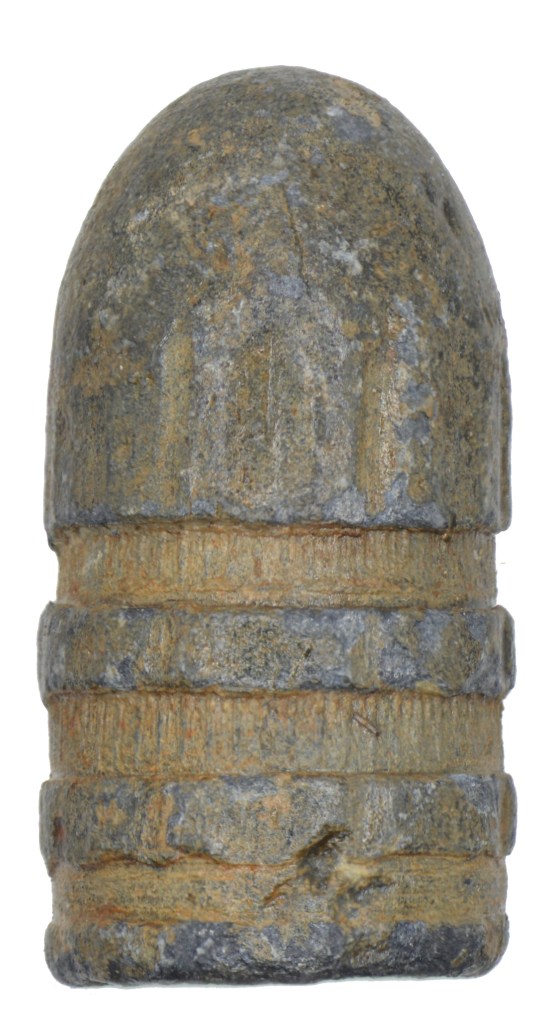
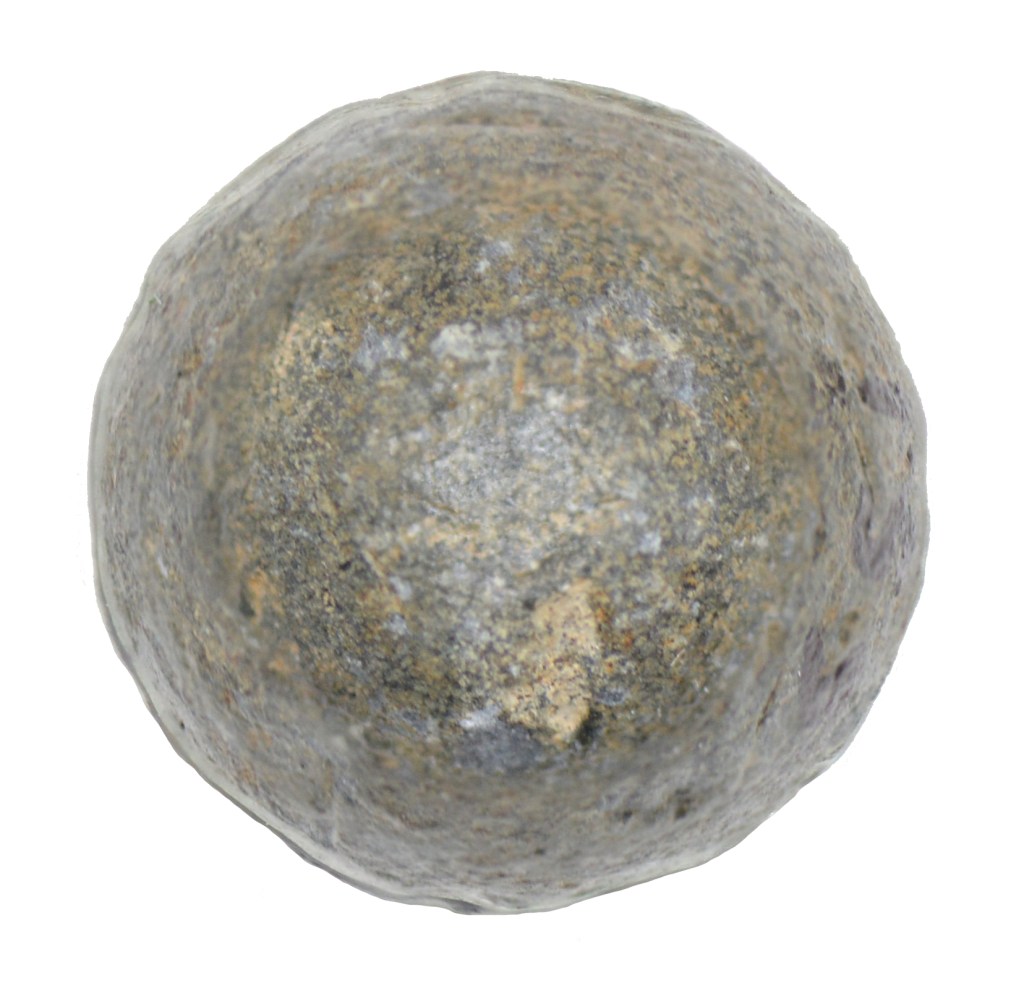
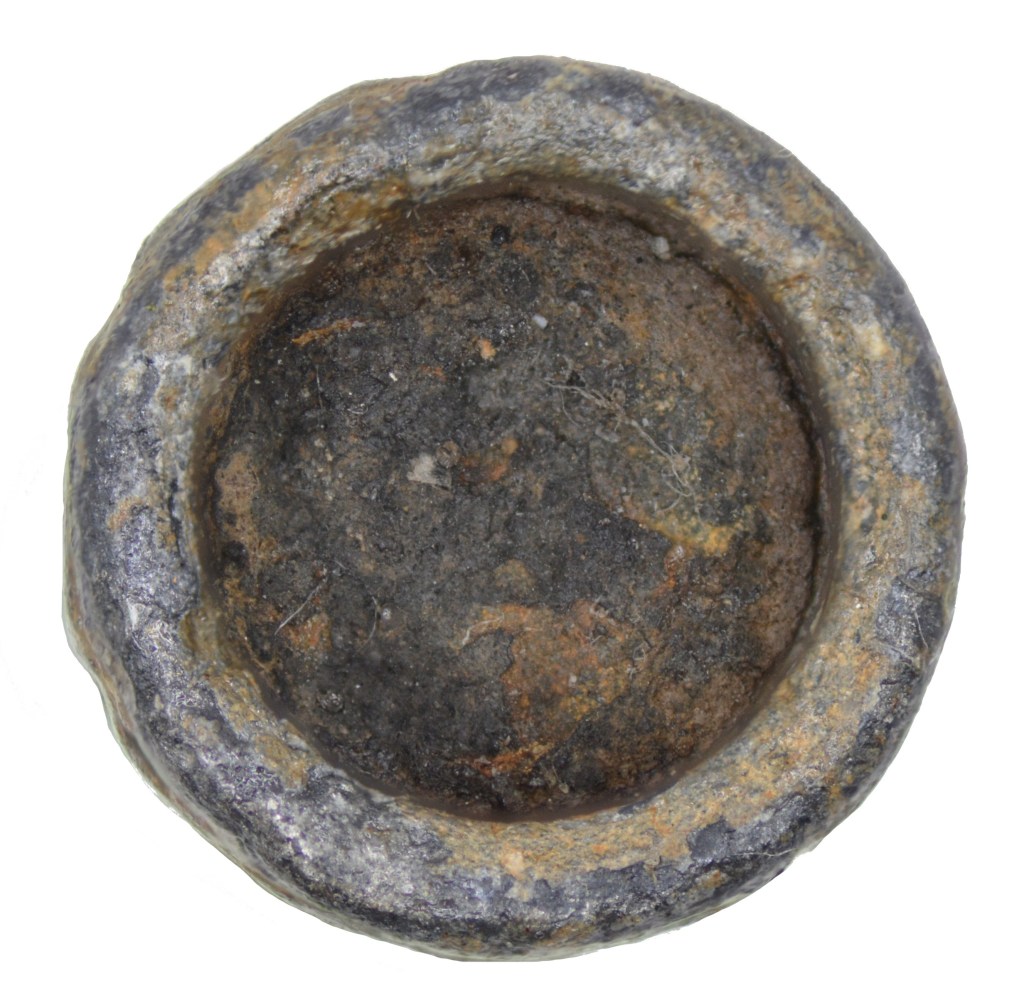
- Weight: 268 gn (17.4 g)
- Diameter: 0.477 in (12.1 mm)
- Length: 0.917 in (23.3 mm)
Once the mark 3 bullets have been fired, the upper and lower parts of the body are of uniform diameter, the bulbous top of the bullet having been reduced after passing through the smaller diameter barrel.
Mark 3, fired
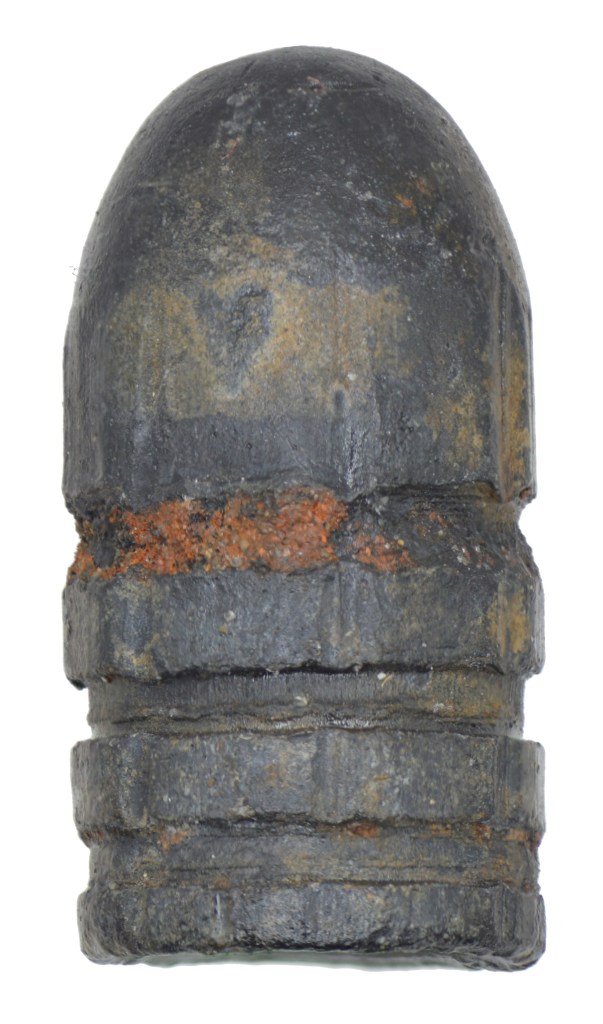
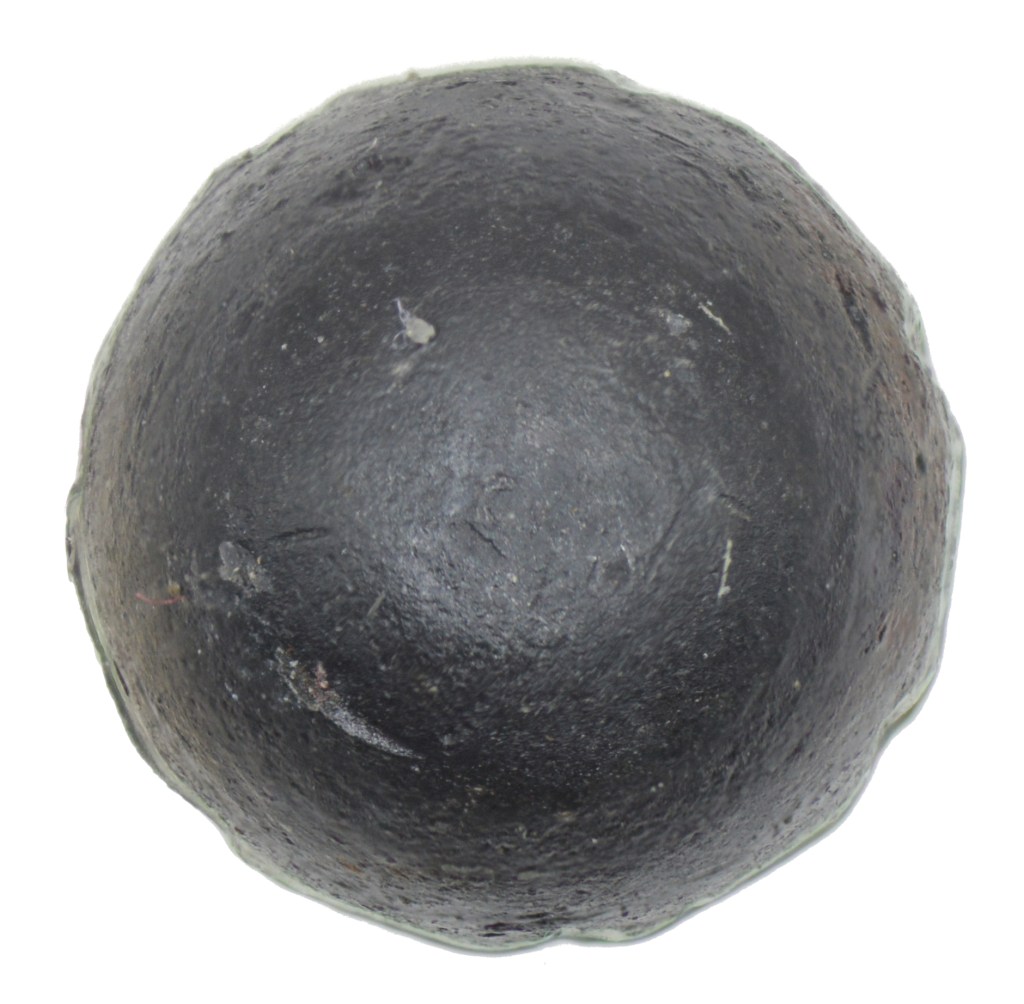
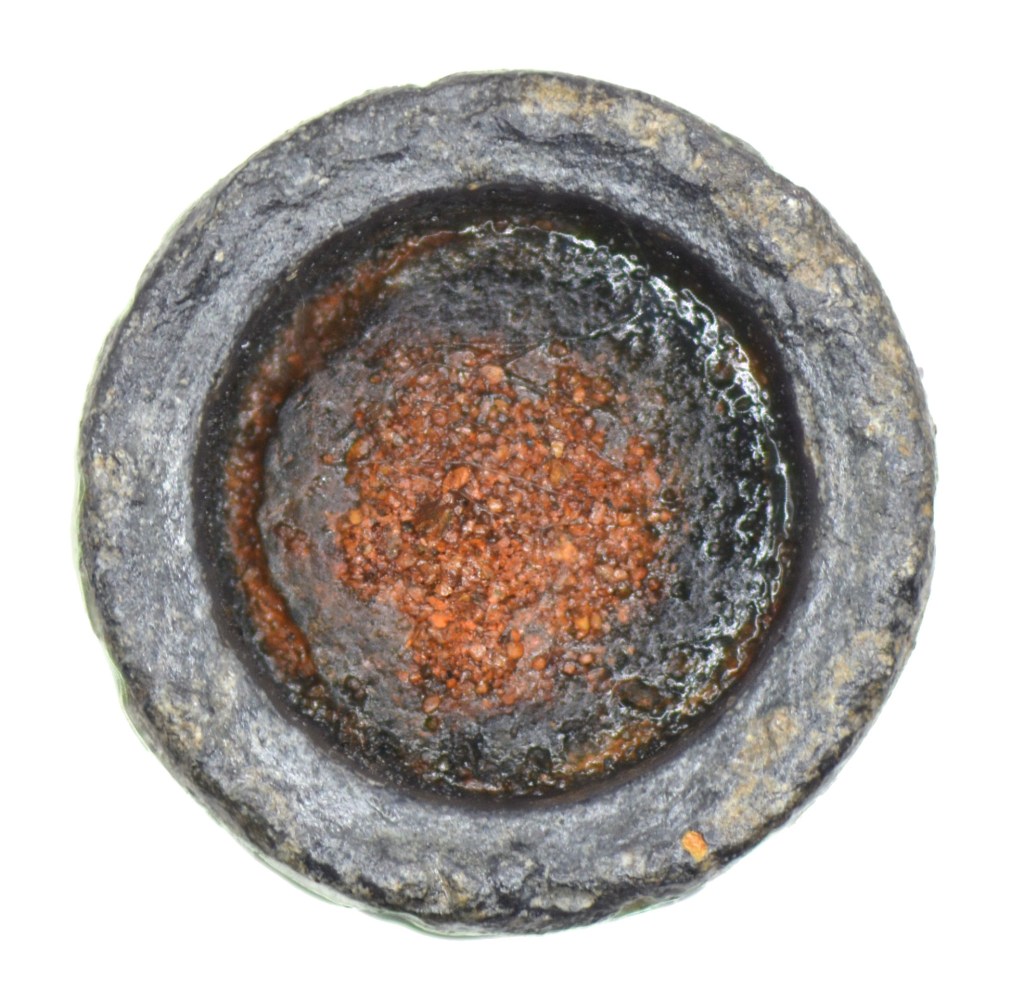
- Weight: 275 gn (17.8 mm)
- Diameter: 0.480 in (12.2 mm)
- Length: 0.920 in (23.3 mm)
The seven groove Henry rifling is clearly visible on this specimen.
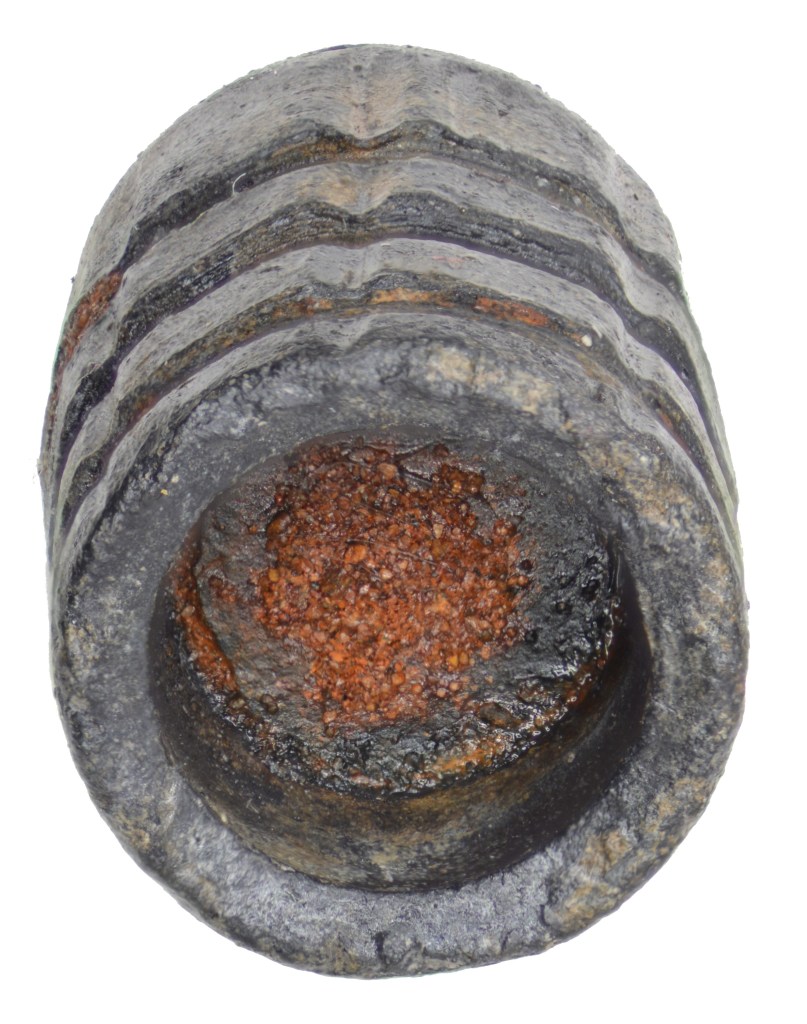
This oblique view of the fired bullet shows how far the plug has been pushed into the base: 0.190 in (4.8 mm).
Mark 3, unfired
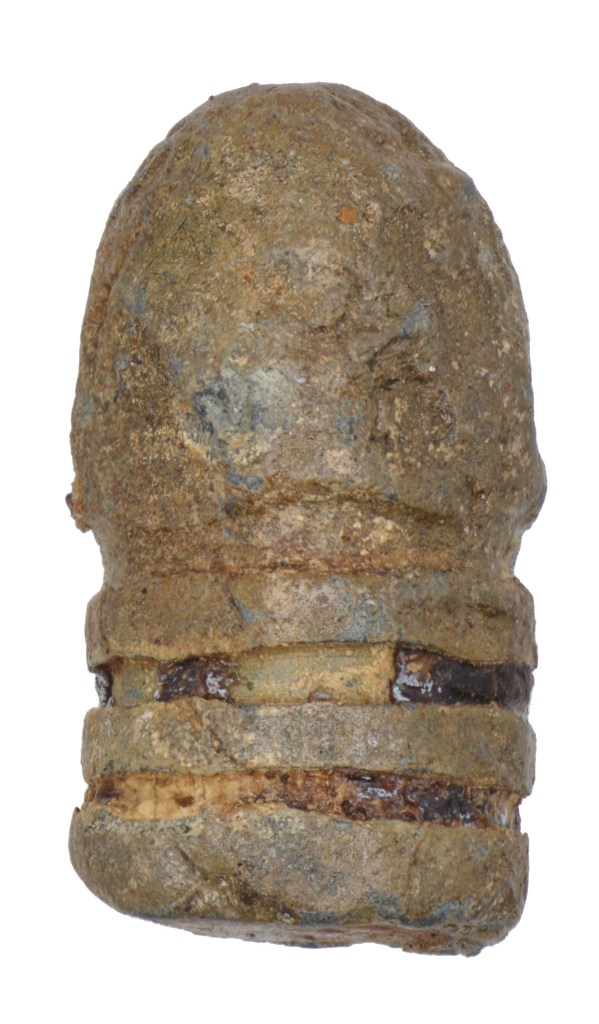
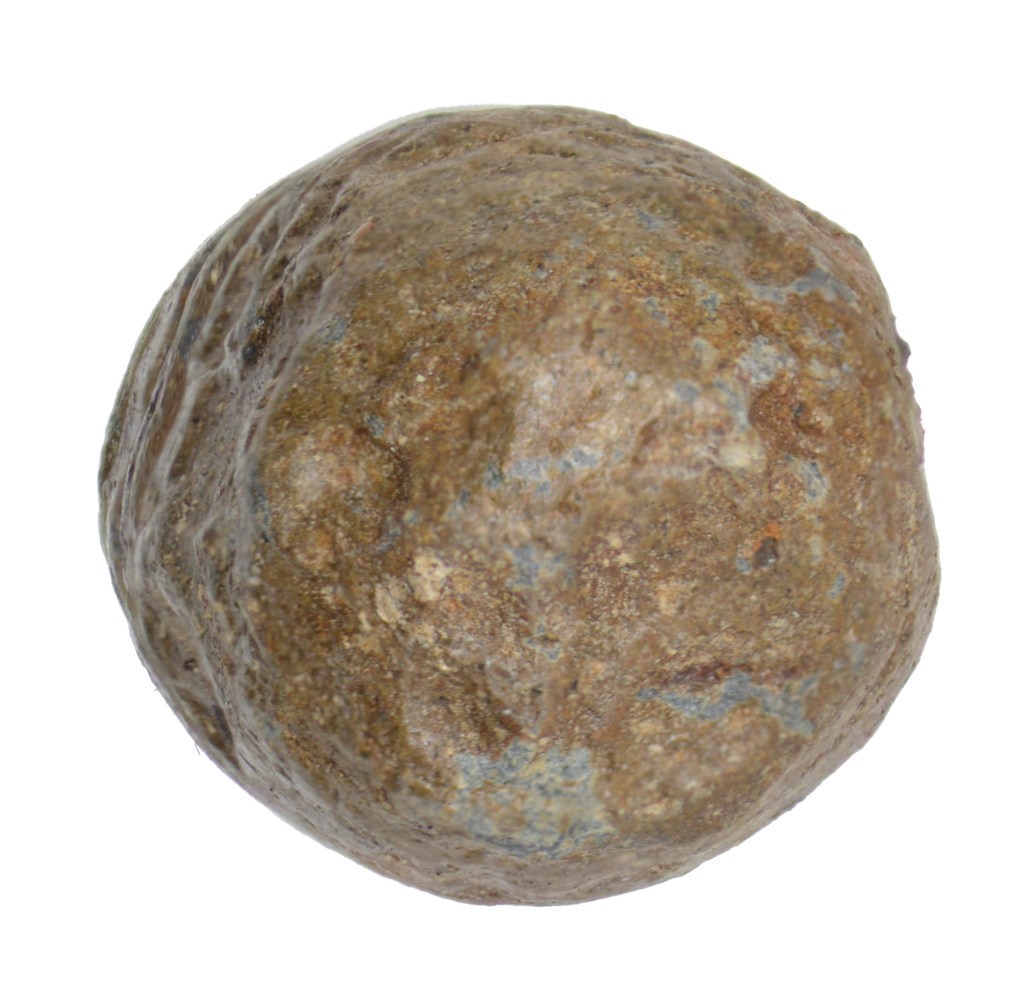
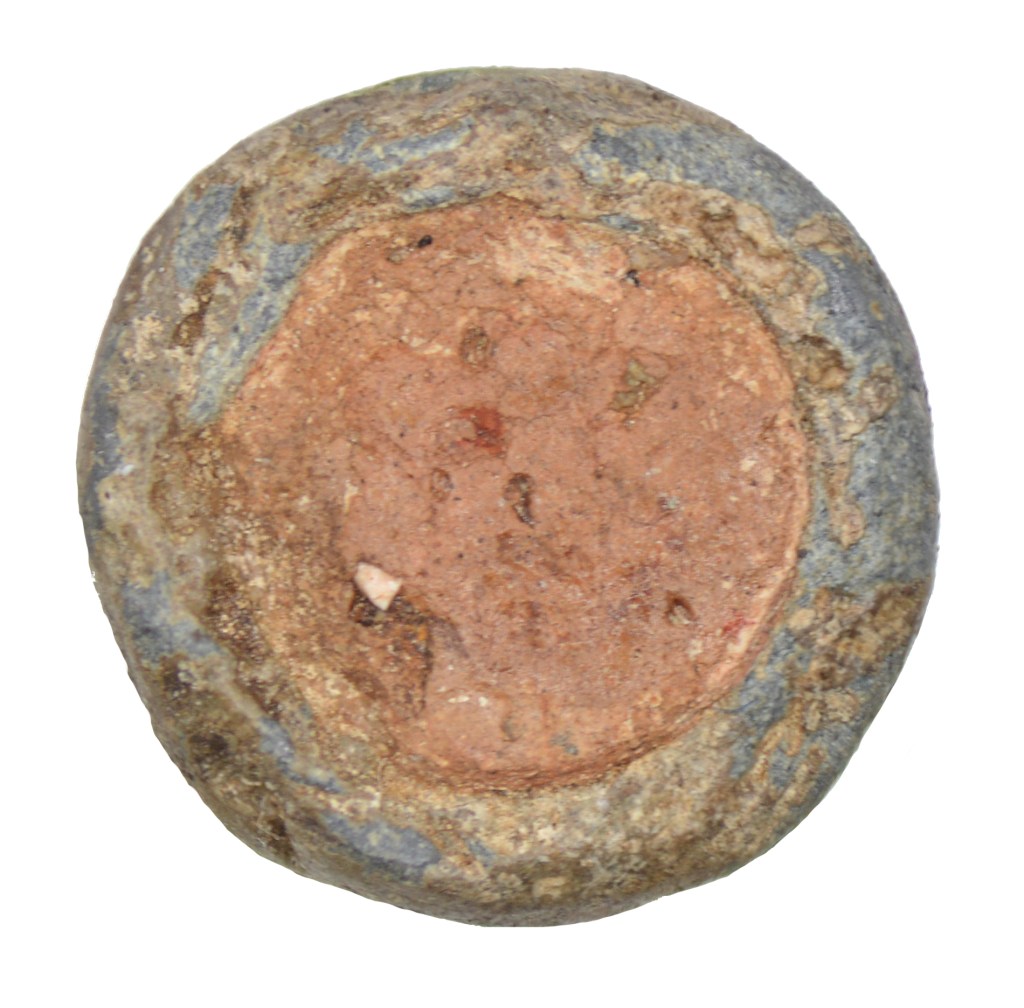
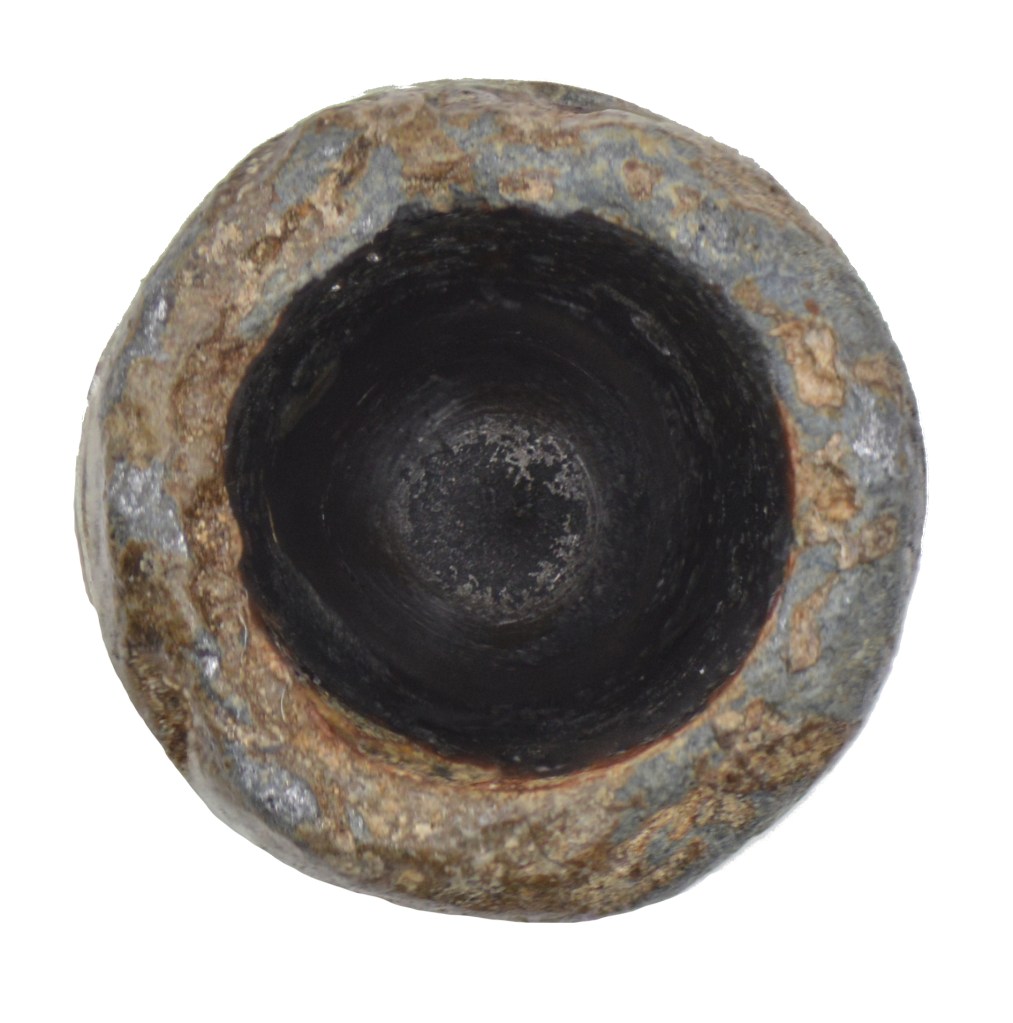
- Weight (without plug): 268 gn (17.4 g)
- Diameter of upper body: 0.490 in (12.5 mm)
- Diameter of lower body: 0.468 in (11.9 mm)
- Length: 0.864 in (21.9 mm)
Despite being a somewhat ragged example externally, this bullet is useful as it features an undamaged base cavity (only visible once the plug had been removed). It is a commercially made variety, without a broad arrow stamp.
Mark 3, fired
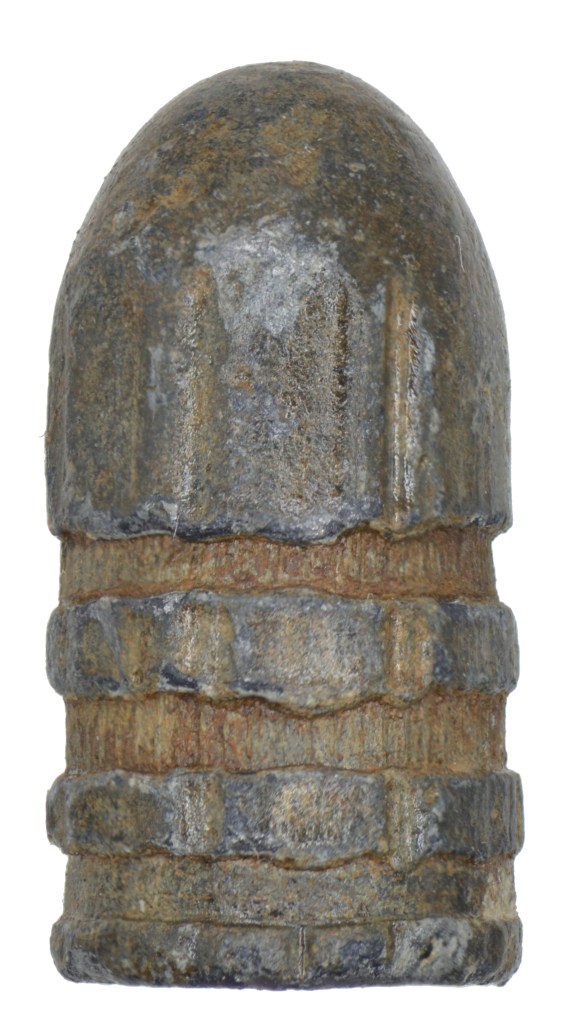
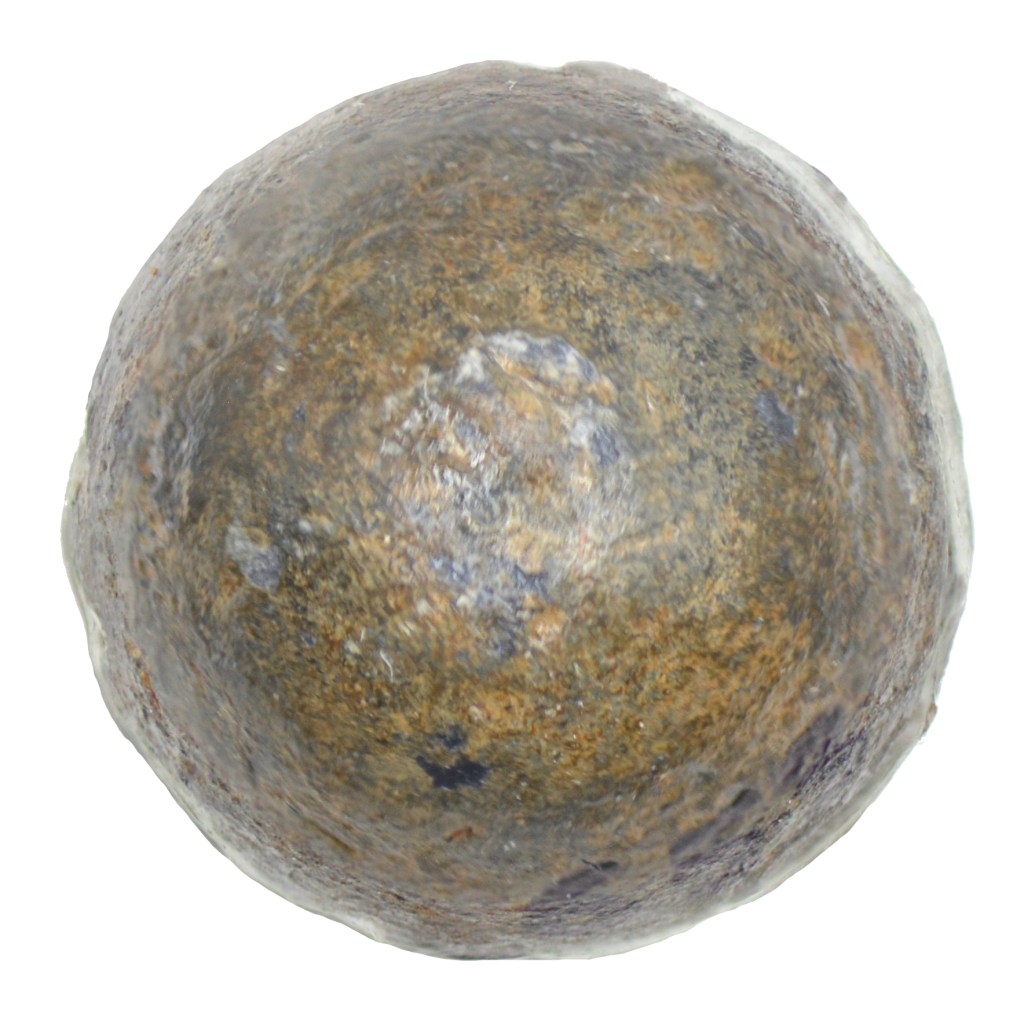
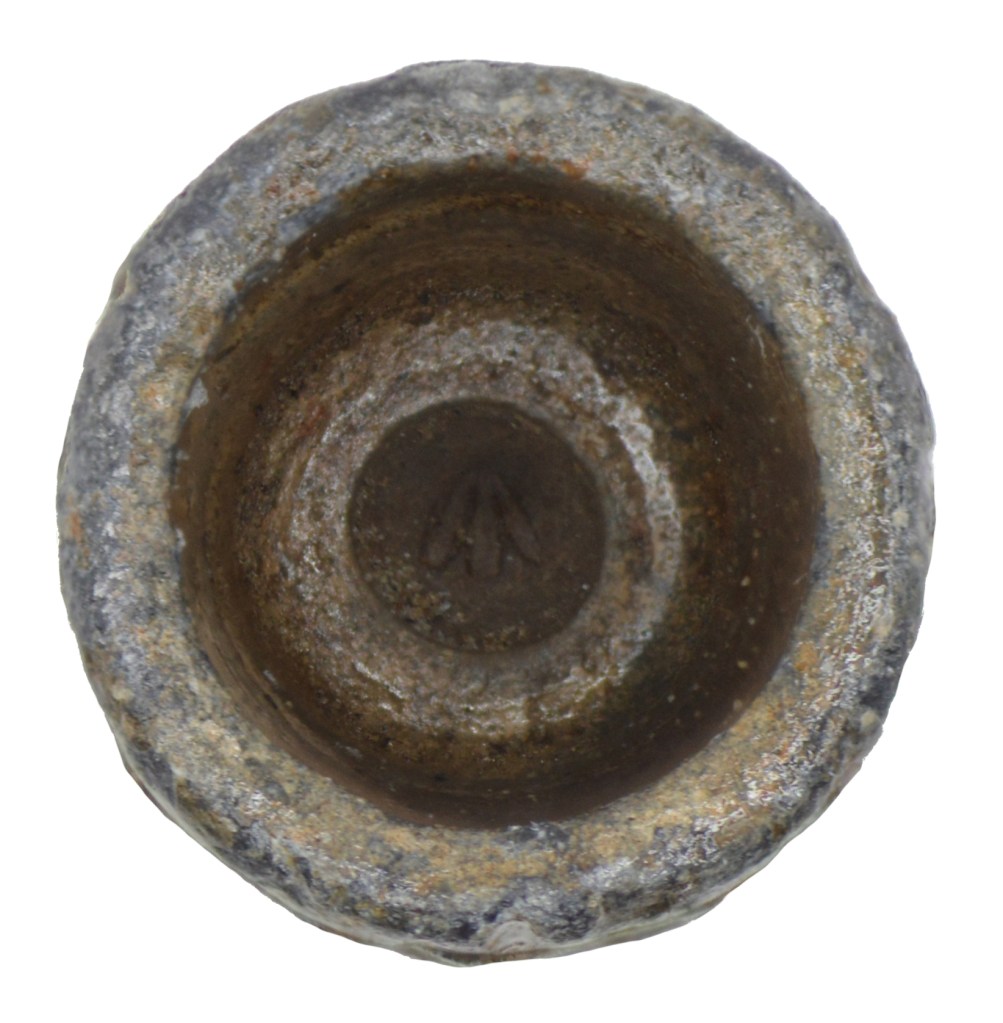
- Weight: 261 gn (16.9 mm)
- Diameter: 0.475 in (12.1 mm)
- Length: 0.920 in (23.4 mm)
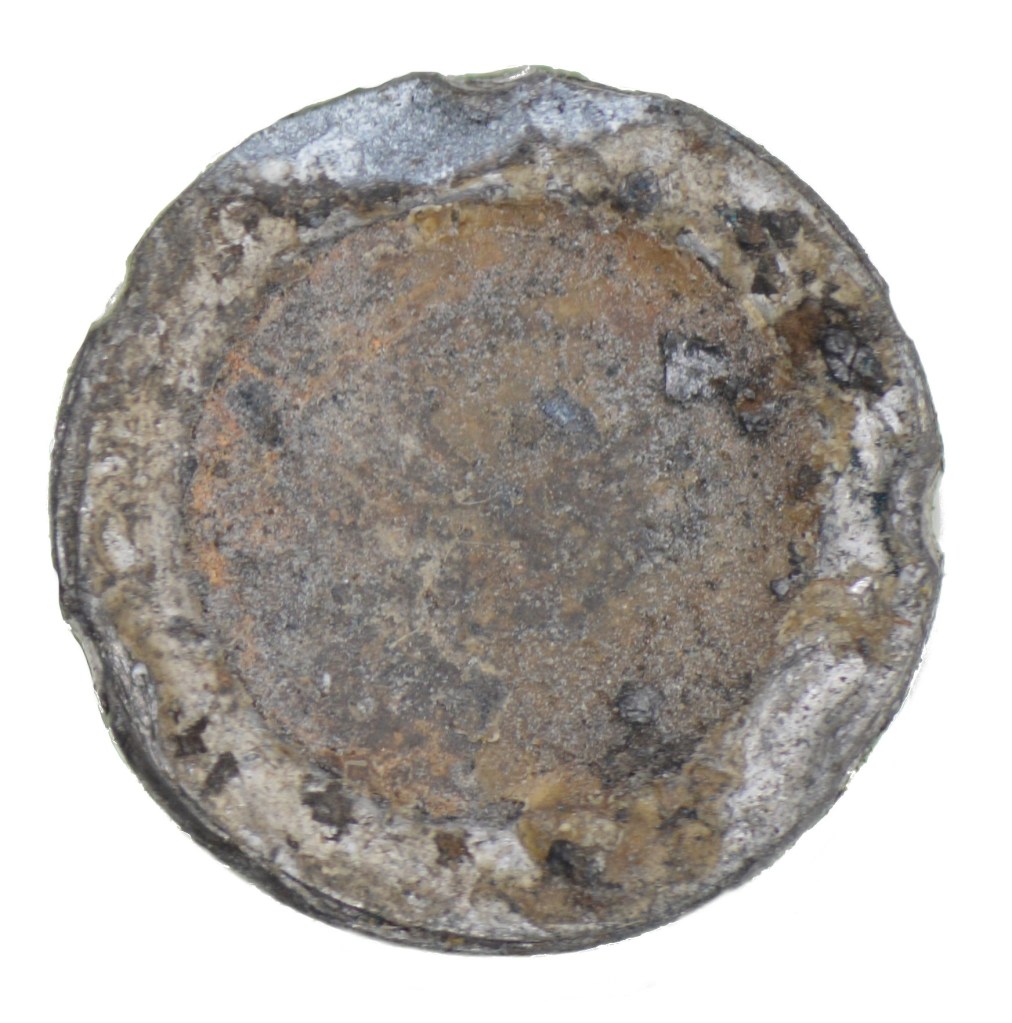
This bullet and the one below, were recovered without their clay plugs. As a result, the effect the plug has had on the cavity is clearly visible. On ignition of the propellant, the plug moves forward into the bullet, at the same time as the bullet is squeezed through the fractionally smaller barrel. The plug reaches a limit of this forward movement, leaving just a tiny air pocket within the cavity untouched, around which a large ring of ‘bulldozed’ lead has developed. The broad arrow is still visible in the tiny circular pocket.
Mark 3, fired
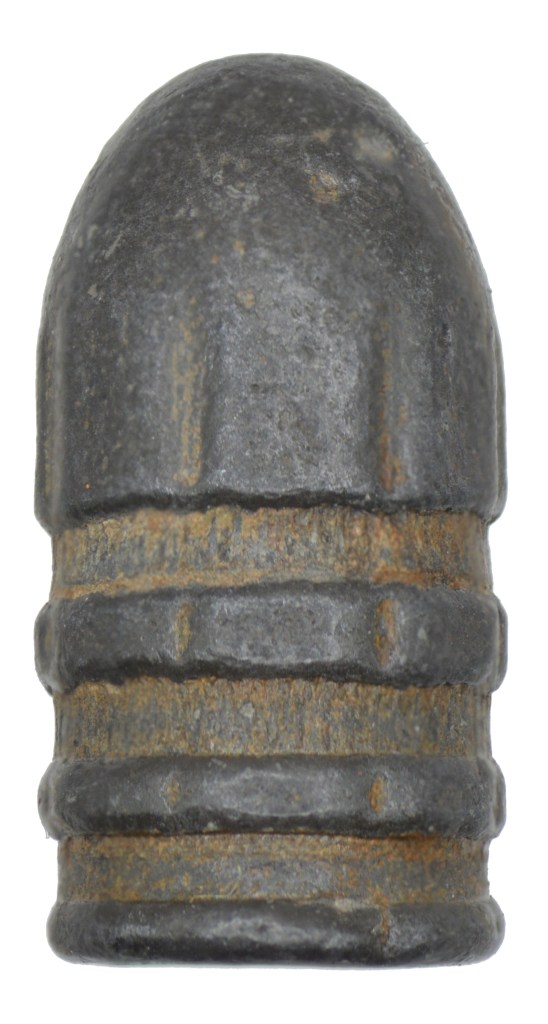
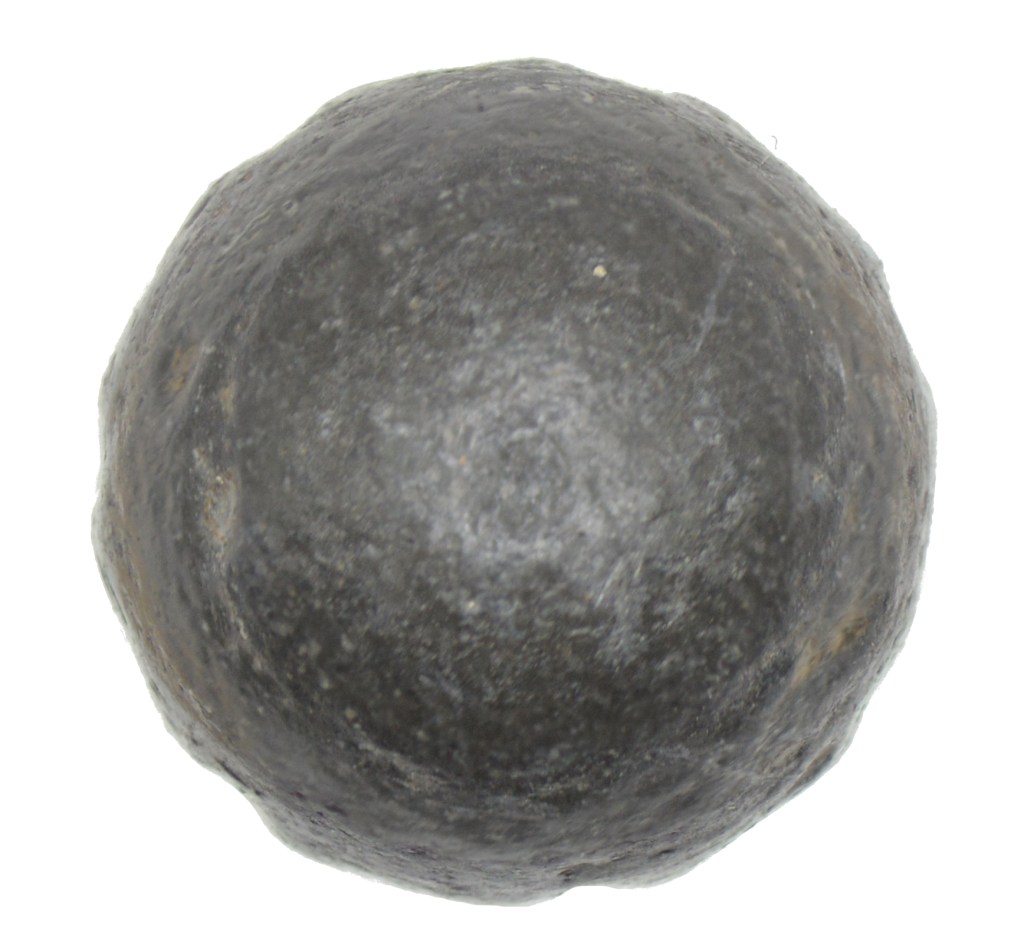
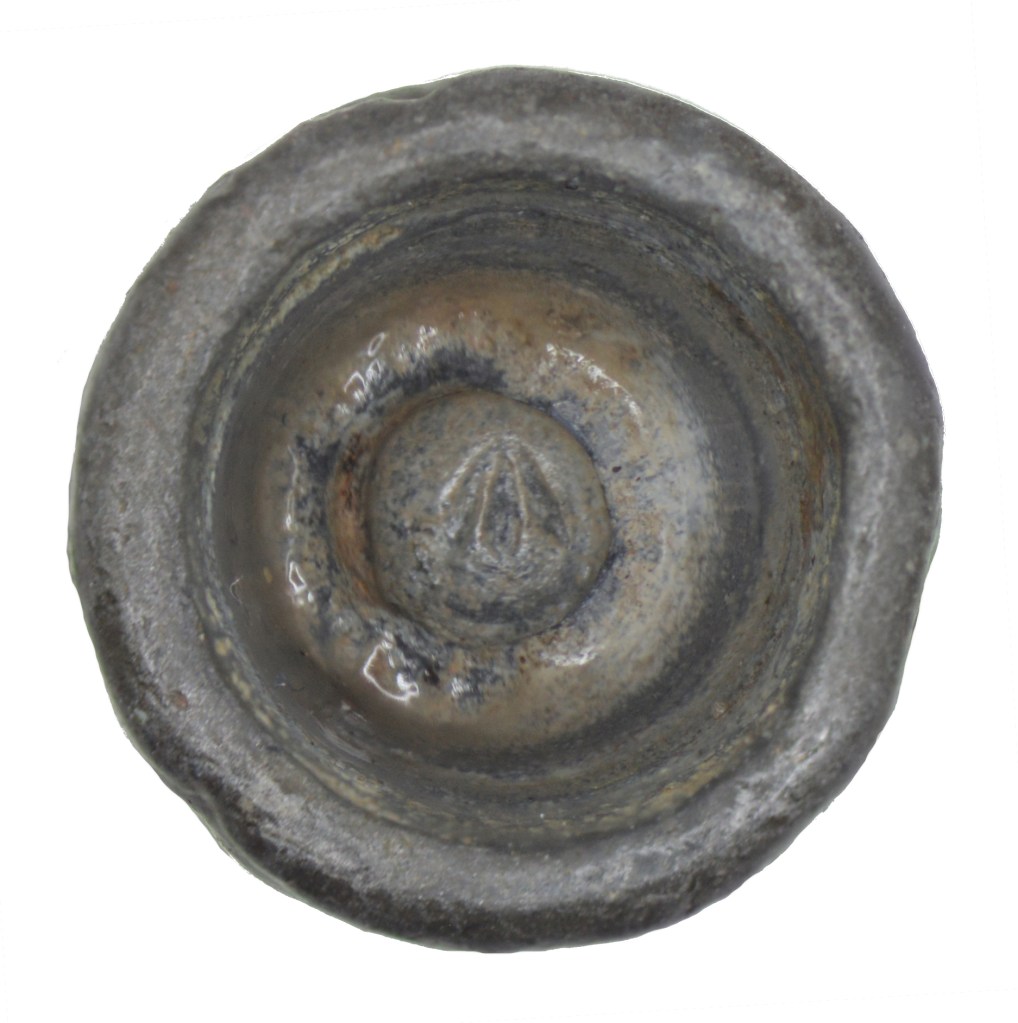
- Weight: 256 gn (16.6 g)
- Diameter: 0.467 in (11.8 mm)
- Length: 0.895 in (22.7 mm)
As with the bullet discussed above, the clay plug has gone from this example, but the small air pocket, in which the broad arrow sits, remains visible.
Unusual Enfield bullets
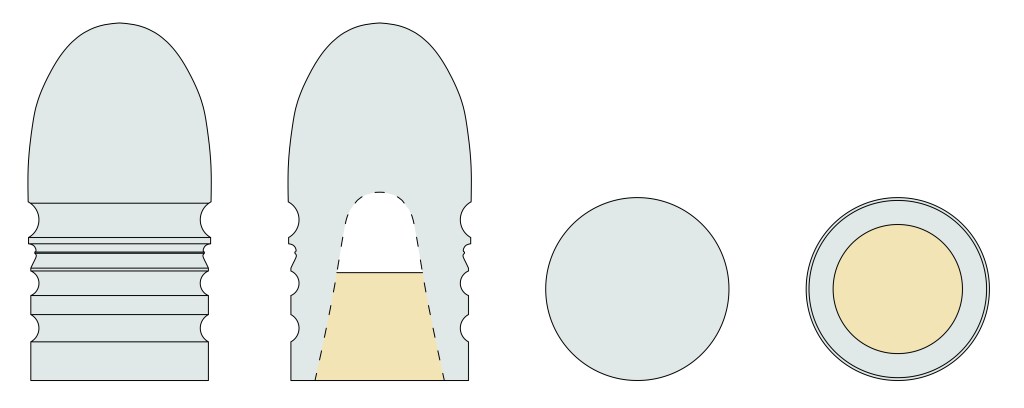
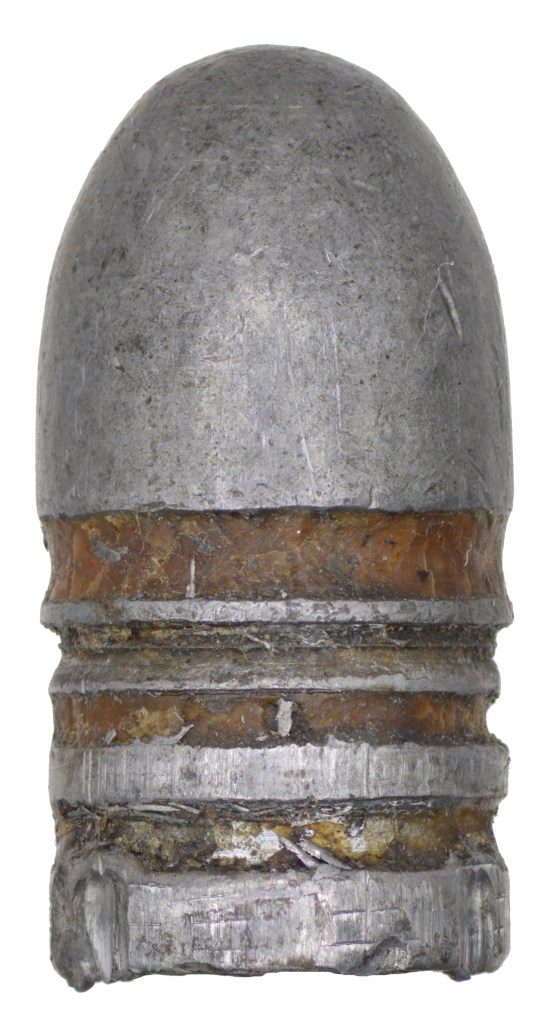
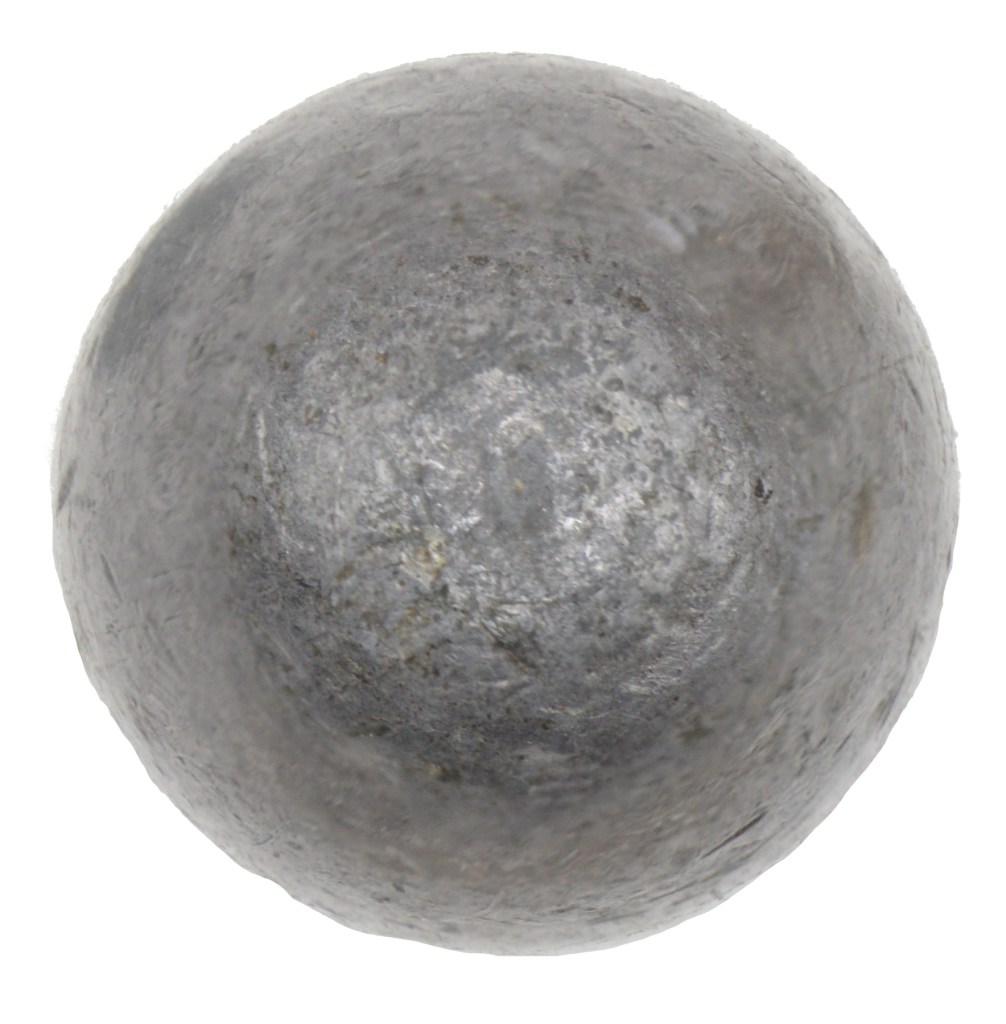
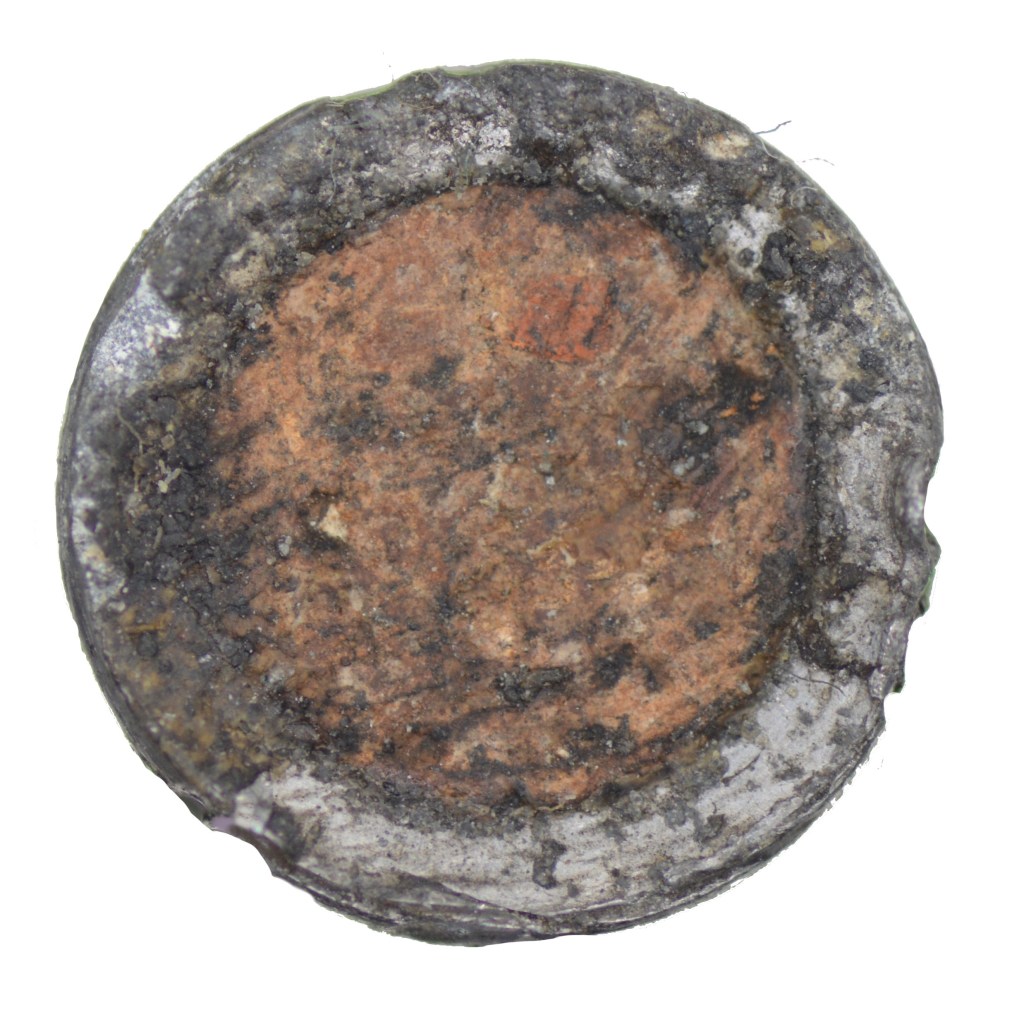
- Weight with lubricant and clay plug: 288 gn (18.6 g)
- Diameter of upper body: 0.471 in (11.9 mm)
- Diameter of lower body: 0.454 in (11.5 mm)
- Length: 0.917 in (23.3 mm)
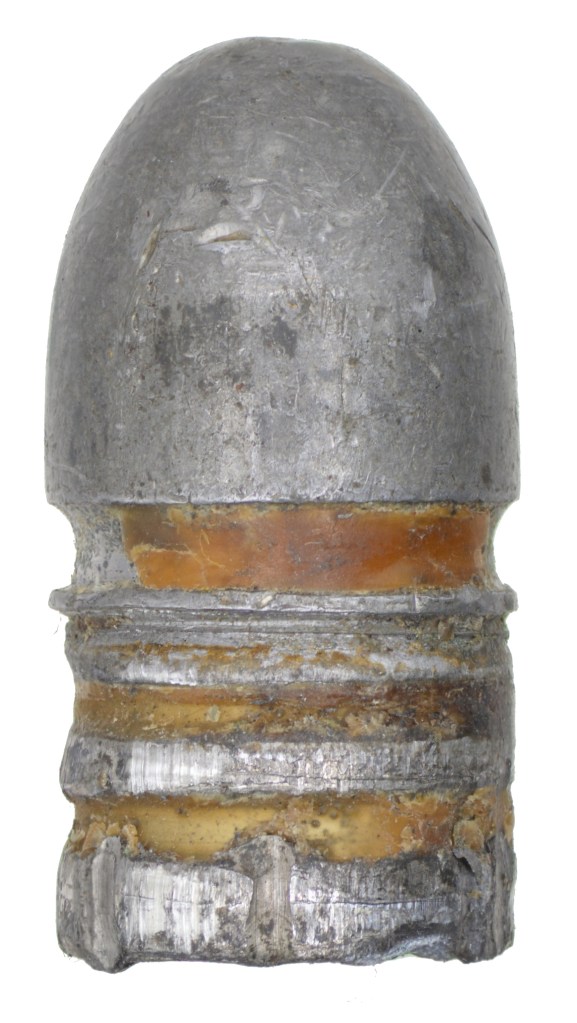
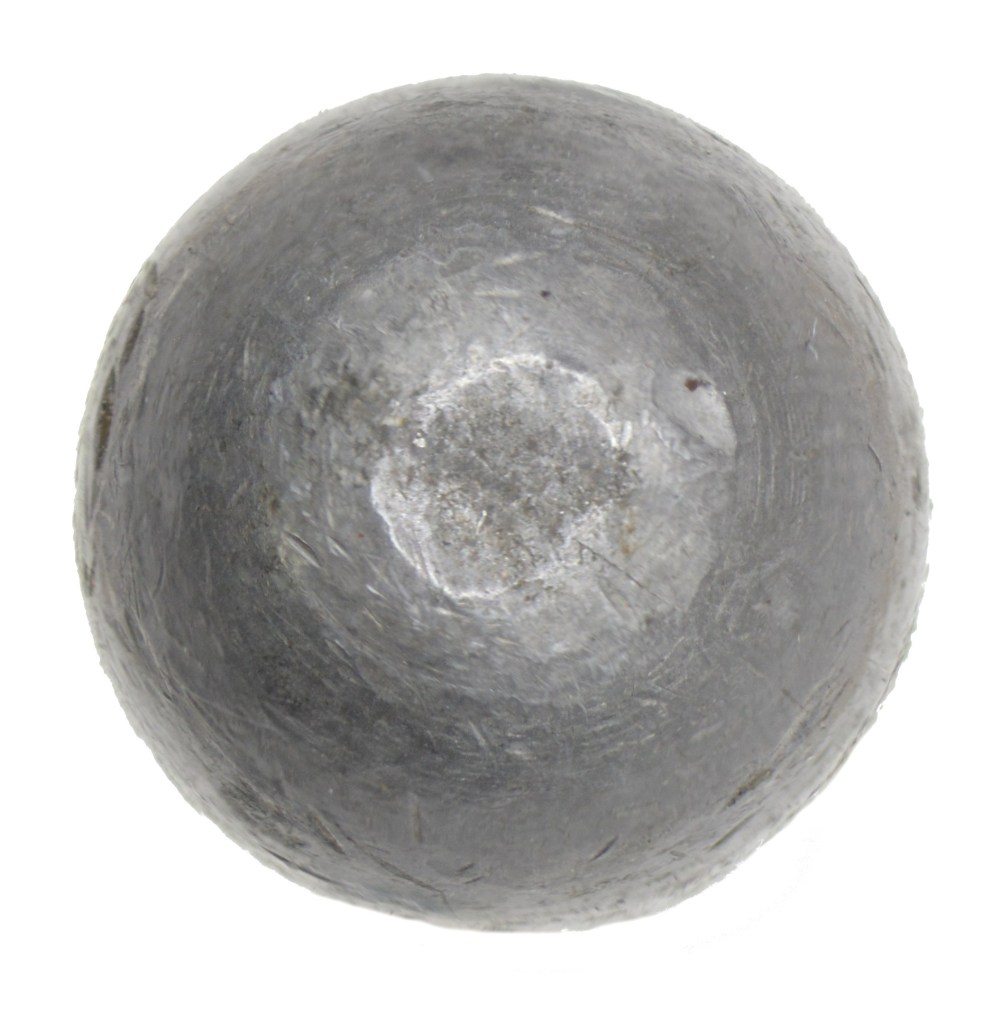
- Weight with lubricant and clay plug: 288 gn (18.6 g)
- Diameter of upper body: 0.471 in (11.9 mm)
- Diameter of lower body: 0.454 in (11.5 mm)
- Length: 0.911 in (23.1 mm)
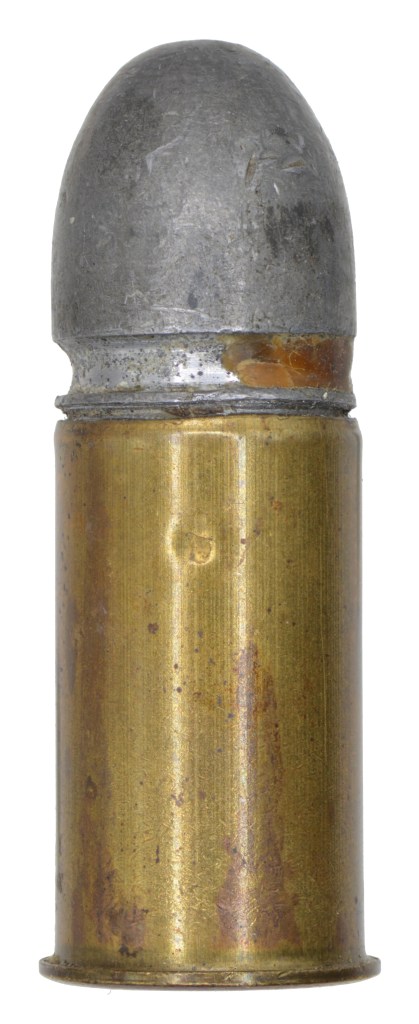
Are these two unusual Eley Enfield bullets examples of the elusive mark 1? Unfortunately, that does not seem to be the case. The likelihood is that mark 1 bullets were more similar to the mark 2, whereas these share far more characteristics with the mark 3: similar cannelures, the bulbous head of the bullet and the clay plug. The bullet is also secured with three neck stabs, a practice not introduced until after manufacture of the mark 1 had ceased. However, they are quite different to the regular mark 3s. The top example, in particular, has four cannelures, and above the third from the base up, the bullet diameter expands to the same diameter as the bulbous head. A possible explanation of his is the the coning of the case onto the bullet, in the location of the third cannelure, was quite aggressive and displaced a significant quantity of lead. The effect is very similar on both bullets and has not been noted on any of the other Enfield 0.476 bullets inspected. See the image below, with the bullet seated in the case (note the bullet should sit a little lower onto the top of the case).
Enfield revolver
