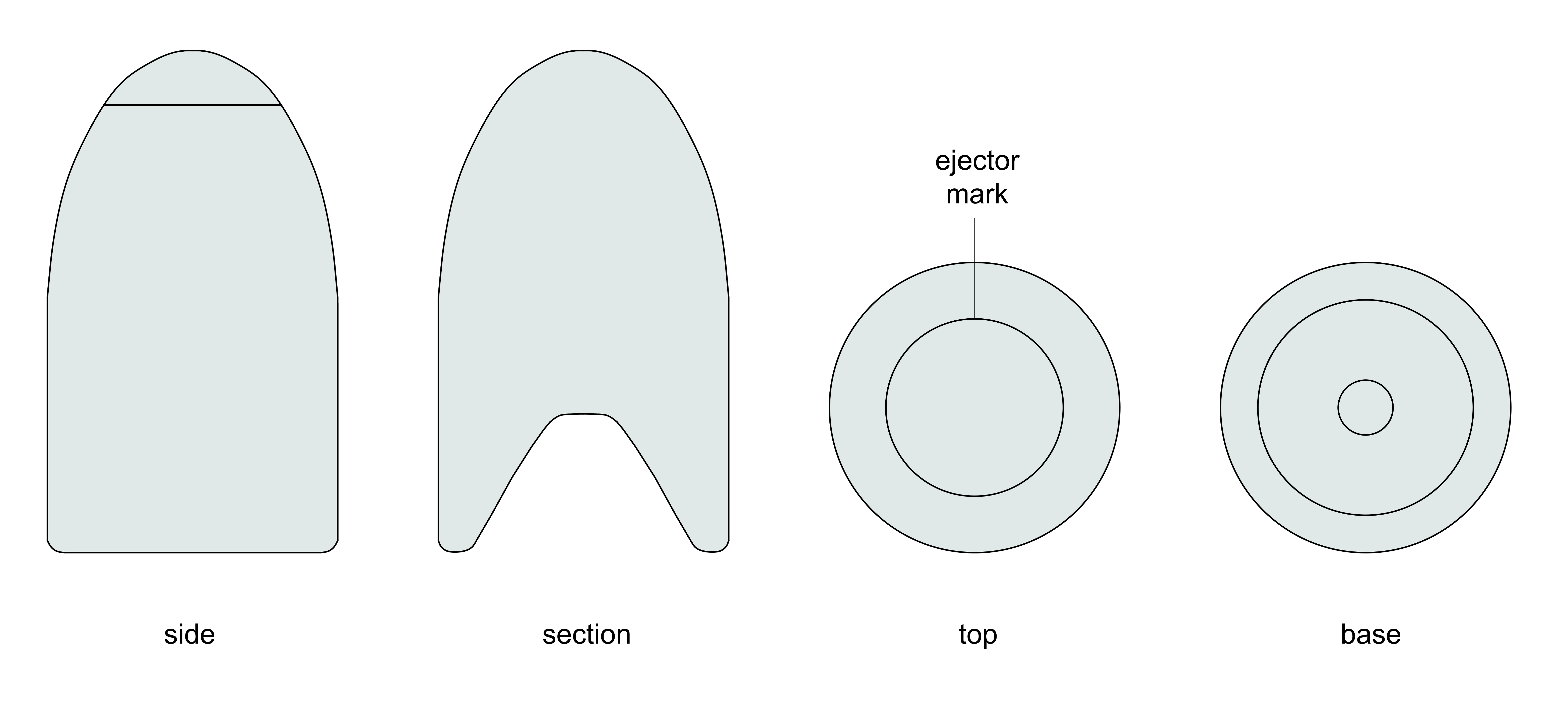
The 1st pattern of bullet for the P53 rifle was proposed by Robert Pritchett, based on an idea by William Metford, which involved a cylindro-conical bullet with a rounded conical base cavity. The bullet came to be known as the ‘Pritchett’ and did away with the iron cup in the base of its predecessor, the P51 (a composite bullet is harder and more expensive to manufacture than one of a single material).
The bullet was made by compression, on the Anderson bullet press (a detailed description of which can be found in the book Rifle Ammunition: Notes on the Manufactures connected therewith, as conducted by the Royal Arsenal, Woolwich, by Arthur Hawes, 1859) at the Royal Laboratory, Woolwich. A short segment of lead rod was inserted into the bullet die, following which a punch (containing the rear cavity shape) was pushed into the die under great pressure. The front and rear elements of the bullet die did not make contact, separated by a very small margin, so that any excess lead was squirted out around the base rim of the bullet. When the punch retracted, the bullet was removed from the mould by an ejector, pushing on the top of the bullet, the action of which leaving a lightly impressed circle, centrally placed around the tip. The excess lead was removed as the bullet was passed through a sizing gauge – the base of these Pritchett bullets sometimes retain a concentric ring on the rim, where the punch ended and the excess lead was allowed to flow between it and the main die, before removal. These bullets are mostly unmarked, but occasionally broad arrow stamps are visible on the rim (indicating Woolwich manufacture). Weights and dimensions will be seen to vary in the recovered examples to those of the official range. This is due to a combination of distortion through firing, impact damage and lead oxidisation.
The initial success of the Pritchett bullet was overshadowed, during the Crimean War, by problems with the manufacture of the bullet. The dies in which the bullets were pressed, wore out over time, with the result that bullet gradually increased. An attempt to combat the issue was to make the dies slightly smaller than necessary at the outset, so that they worked through to the correct diameter and then slightly beyond, before being replaced. These fluctuations in tolerances were enough that undersized bullets were not performing properly or oversized bullets were not able to be loaded.
Official weight and dimensions (information from A Treatise on Naval Gunnery, 1855 and A Treatise on Military Small Arms and Ammunition 1884).
- Weight: 530 gn (34.3 g)
- Diameter: 0.568 in (14.4 mm)
- Length: 0.960 in (24.4 mm)
1st pattern Pritchett, unfired
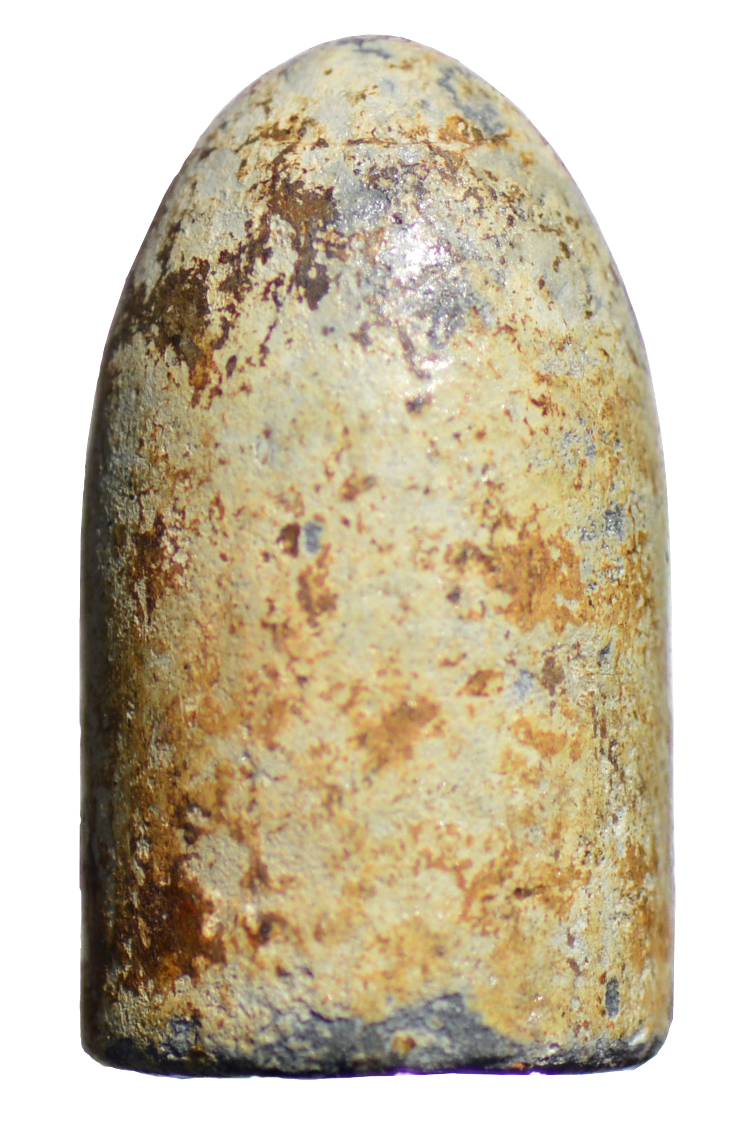
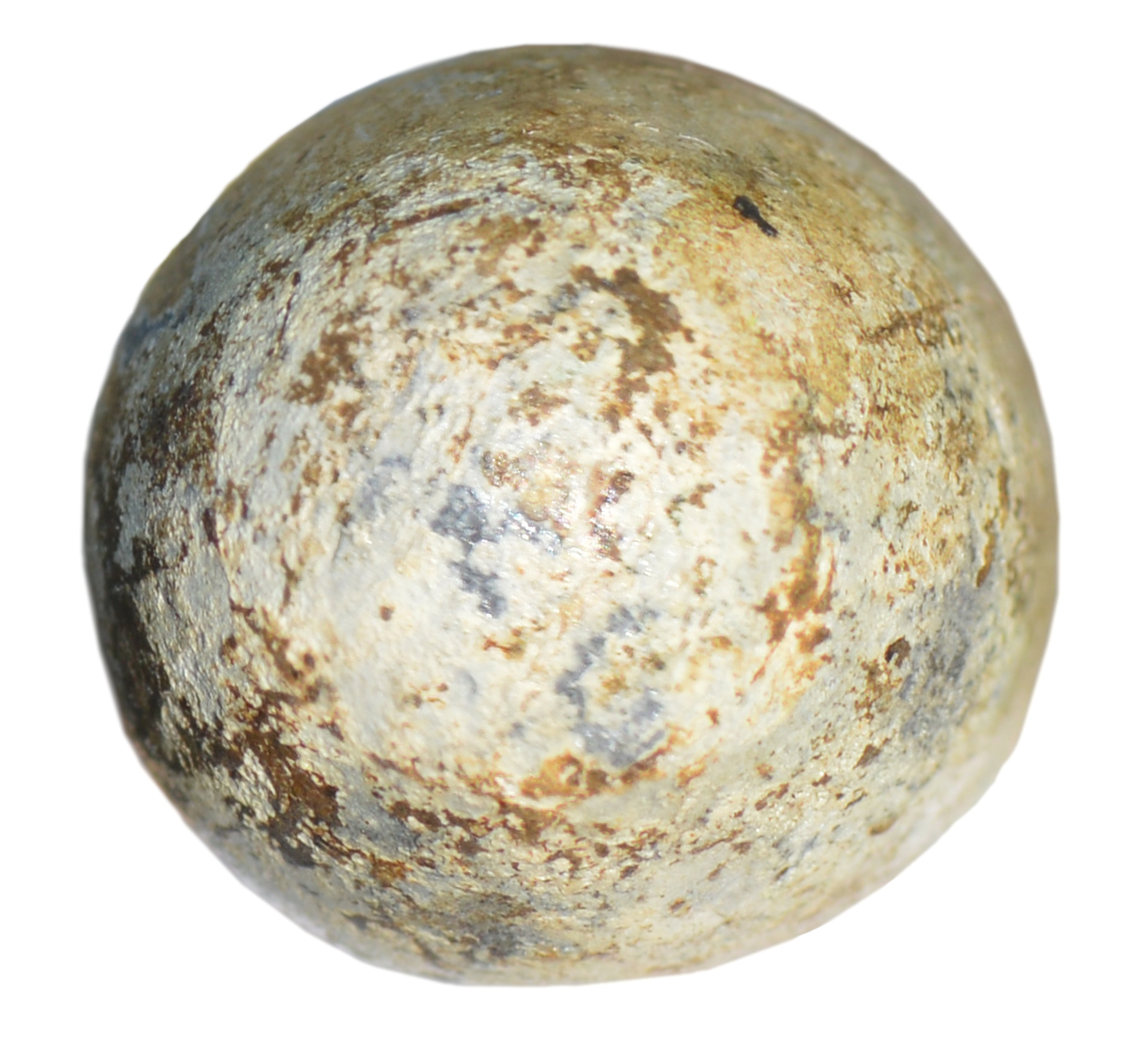
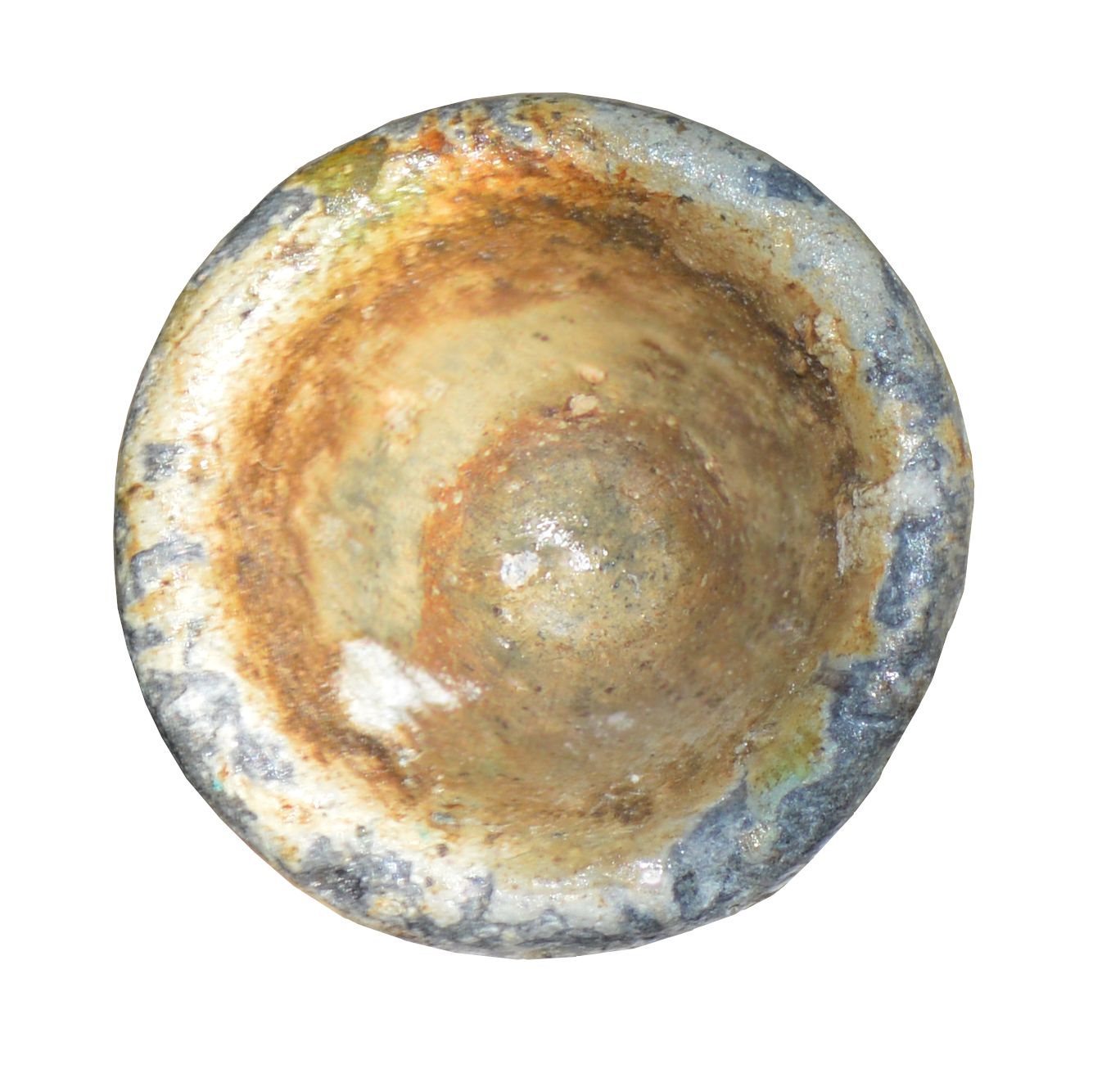
- Weight: 516 gn (33.5 g)
- Diameter: 0.569 in (14.4 mm)
- Length: 0.986 in (25 mm)
The ejector mark is just visible on the tip and there are four (very faint) broad arrows on the base rim
1st pattern Pritchett, fired
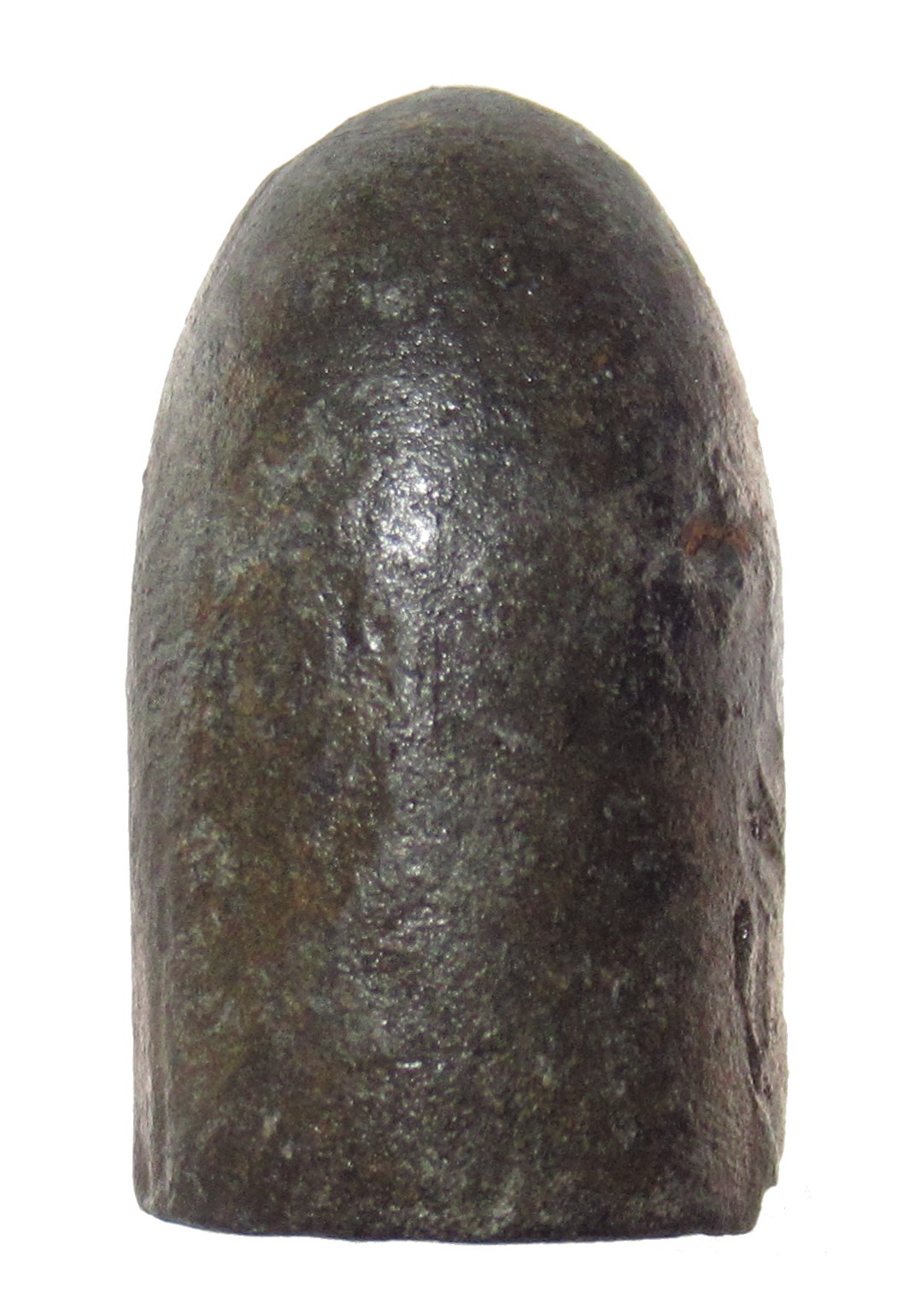
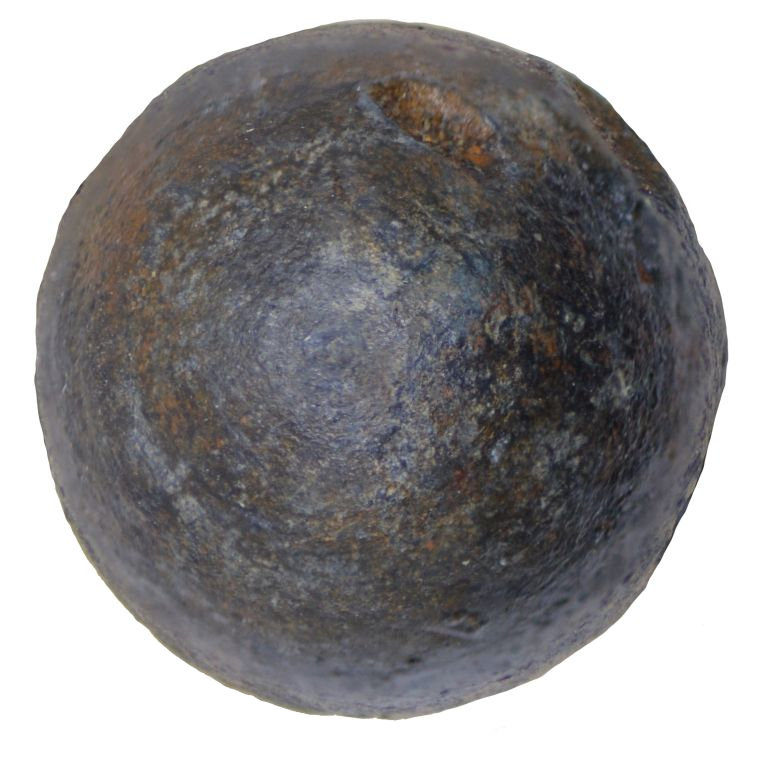
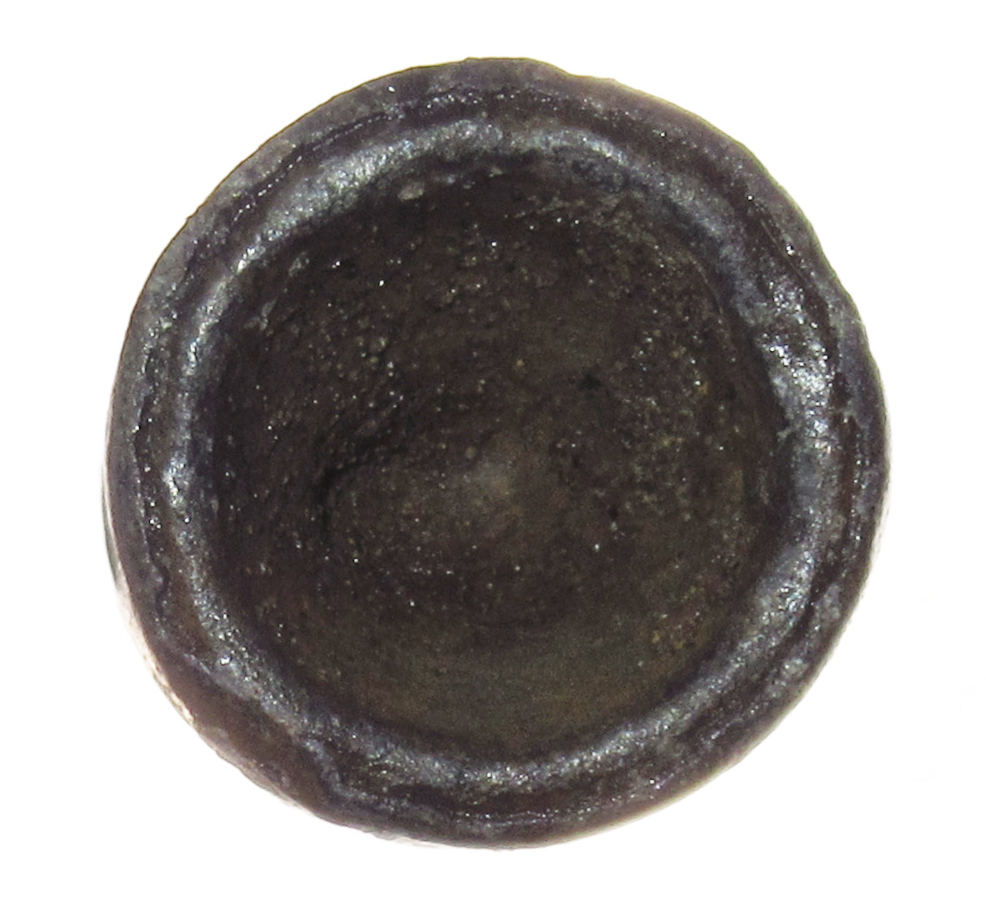
- Weight: 558 gn (36.2 g)
- Diameter: 0.580 in (14.7 mm)
- Length: 0.997 in (25.5 mm)
The ejector mark and air hole protrusion from the Anderson bullet press are visible on the tip of this bullet.
1st pattern Pritchett, fired
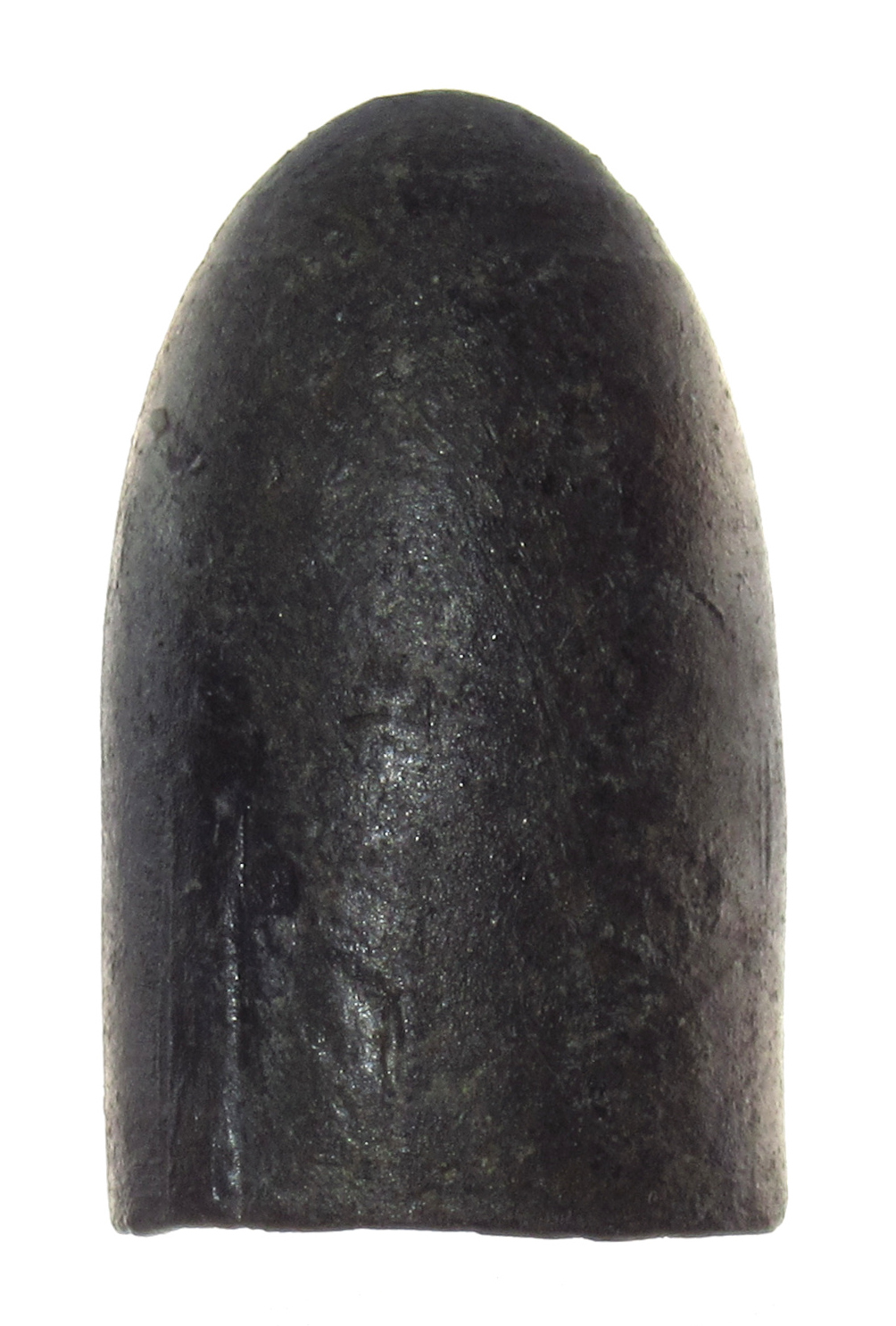
- Weight: 539 gn (34.9 g)
- Diameter: 0.581 in (14.8 mm)
- Length: 0.968 in (24.6 mm)
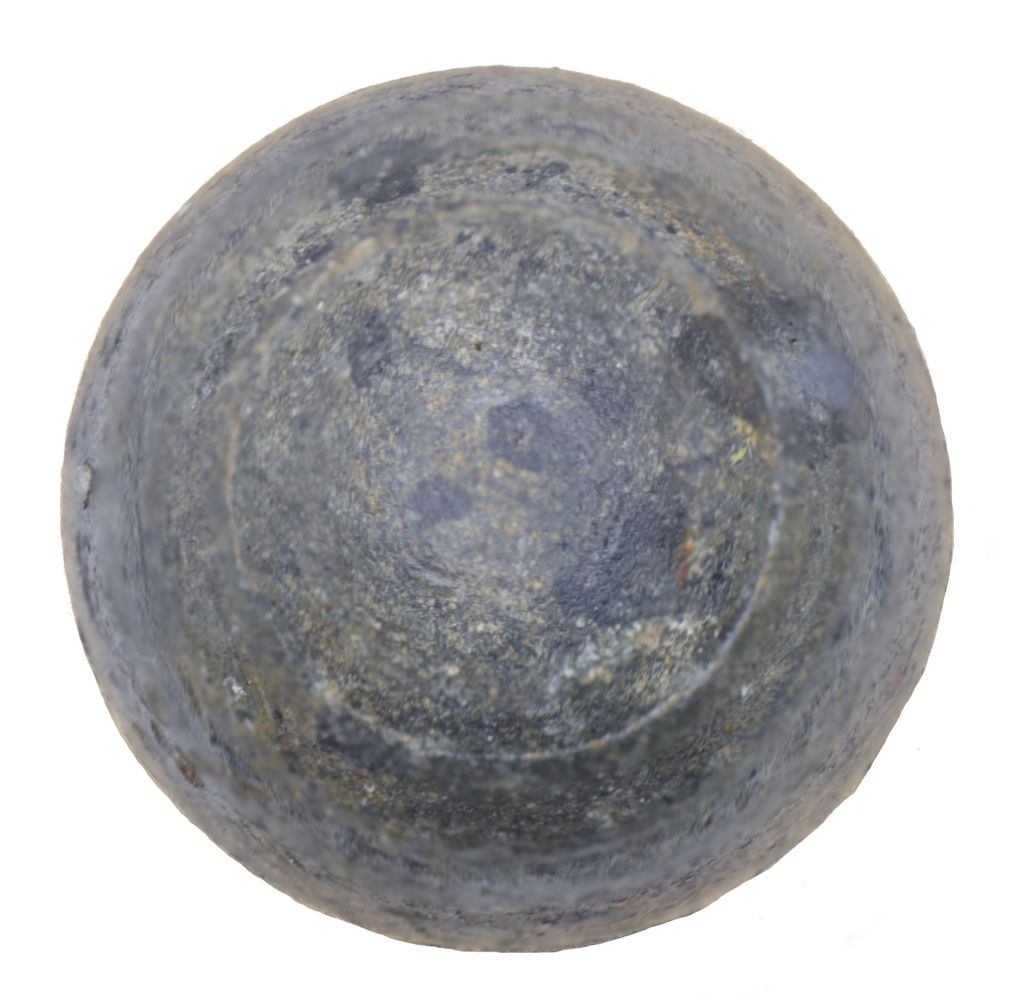
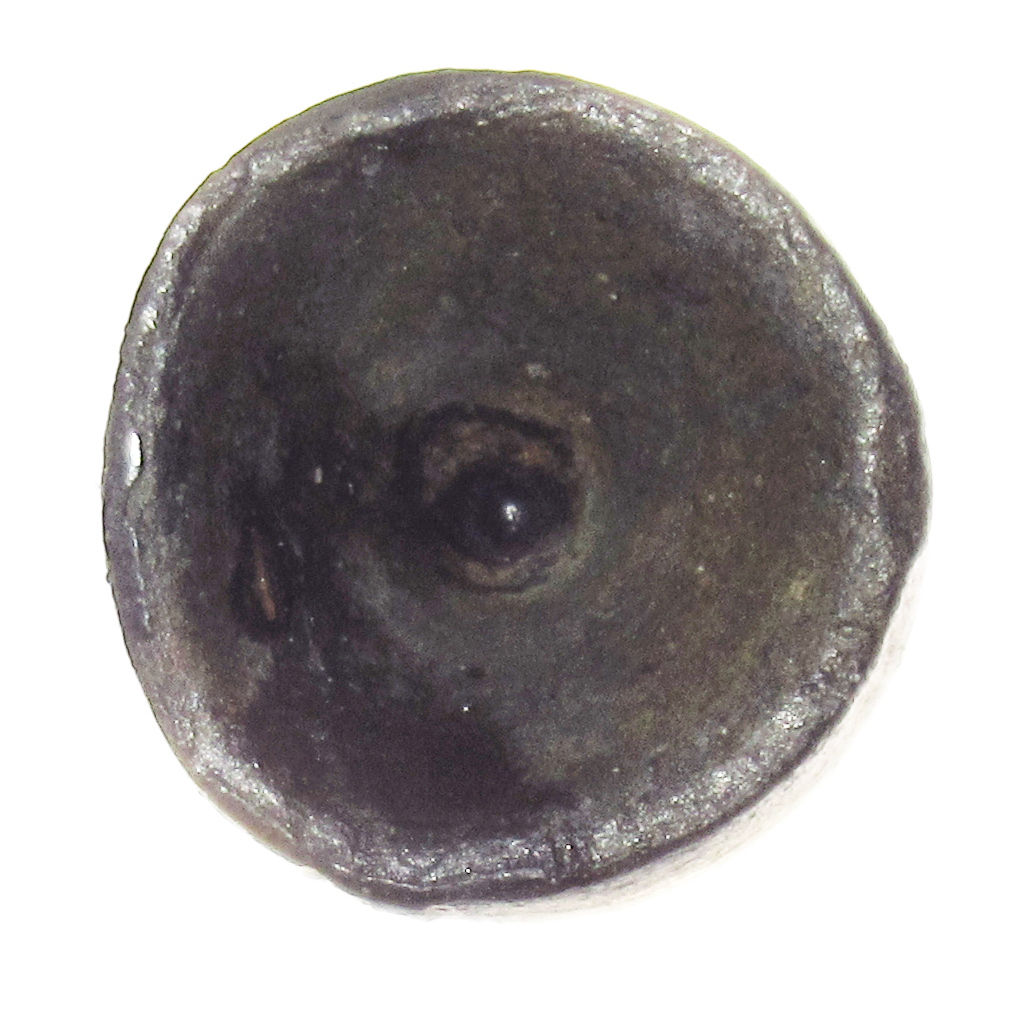
This example has the ejector ring on the tip and the base cavity is more of a rounded triangle than a circle. This reflects where the bullet has expanded into the 3 groove rifling.
1st pattern pritchett 1853
