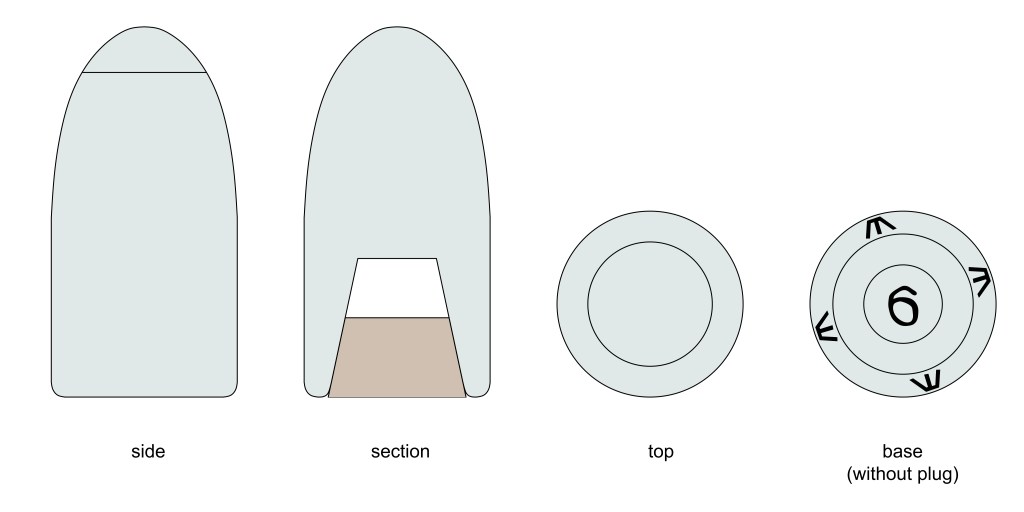
The 4th pattern saw a decrease in the diameter of the bullet, from .568 in to .550 in, to allow for easier loading with the new anti-fouling agent, beeswax. The wooden plug system was effective enough that the bullet was able to expand the required 0.027 in to engage with the rifling. Introduced in February 1859, these bullets in the unfired state are easy to distinguish from the predecessors. However, once fired, they expand laterally, to fill the bore and fit the rifling and these examples are very difficult to tell apart from the 3rd pattern bullets. In December 1859, a slice in the outer paper wrapper was made, to improve the separation of paper from the bullet, on exiting the muzzle. This cut was applied to the cartridge after manufacture, by running a knife down the length of the bullet. This cut can be seen on fired bullets and is a good indicator of the post December 1859 4th pattern bullets.
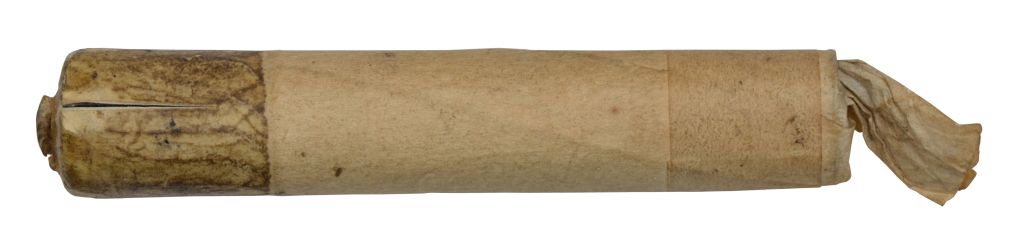
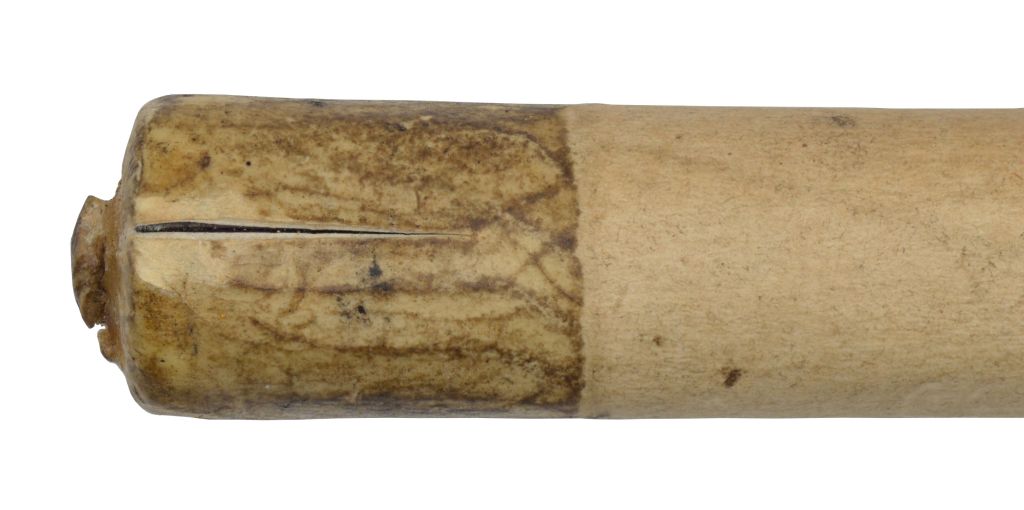
These two images show the 1859 paper cartridge (inert) with the ‘cut’ made to the paper on the left, which continues as an incision onto the bullet itself.
A minor change to the 4th pattern was made in 1863, by the change from boxwood plug, to a baked clay plug, due to the problems in sourcing boxwood. This was the last P53 bullet until the introduction of the Snider in 1866.The bullet is noticeably longer and thinner in its unfired state than the previous pattern. The later clay plug is identical in size and shape to the wooden plug.
Official weight and dimensions (information from A Treatise on Military Small Arms and Ammunition 1884 and The Boxer Cartridge in the British Service, 1977).
- Weight: 530 gn (34.3 mm)
- Diameter: 0.55 in (14 mm)
- Length: 1.09 in (27.7 mm)
4th pattern wooden plug, unfired
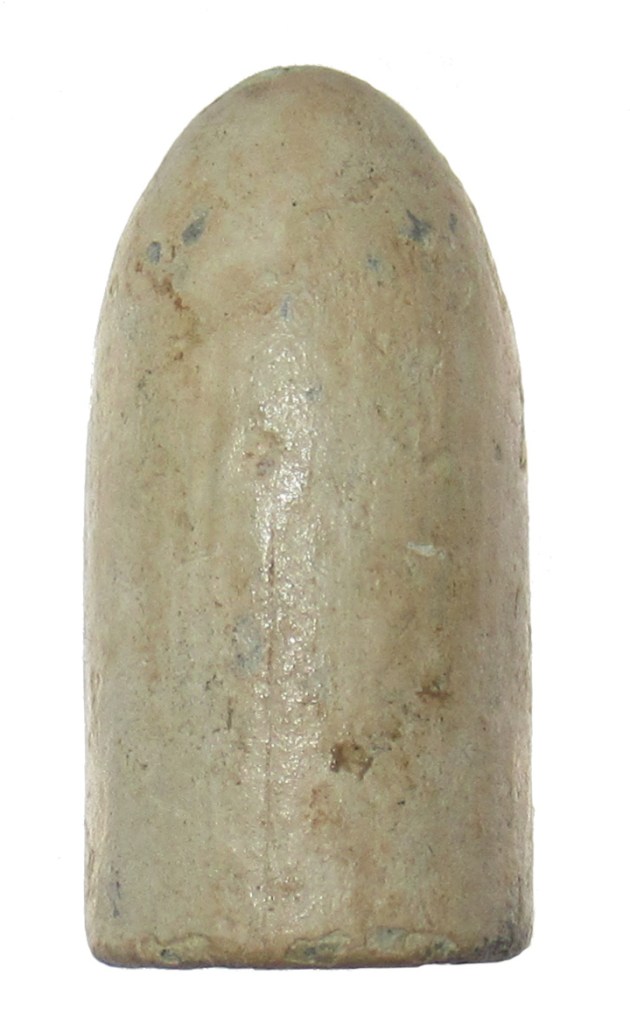
- Weight (without plug): 505 (32.7 g)
- Diameter: 0.547 in (13.9 mm)
- Length: 1.093 in (27.7 mm)
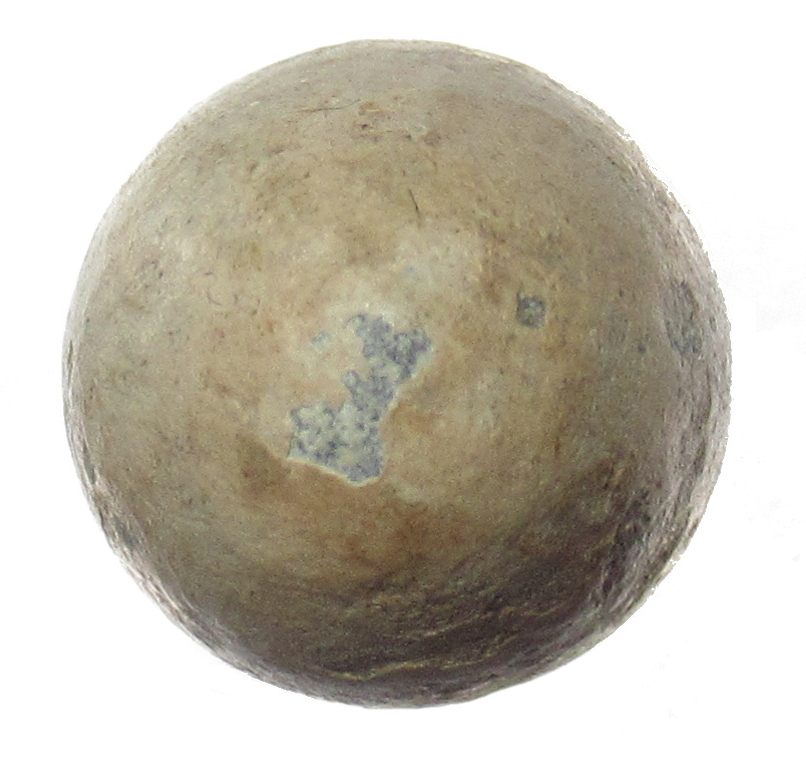
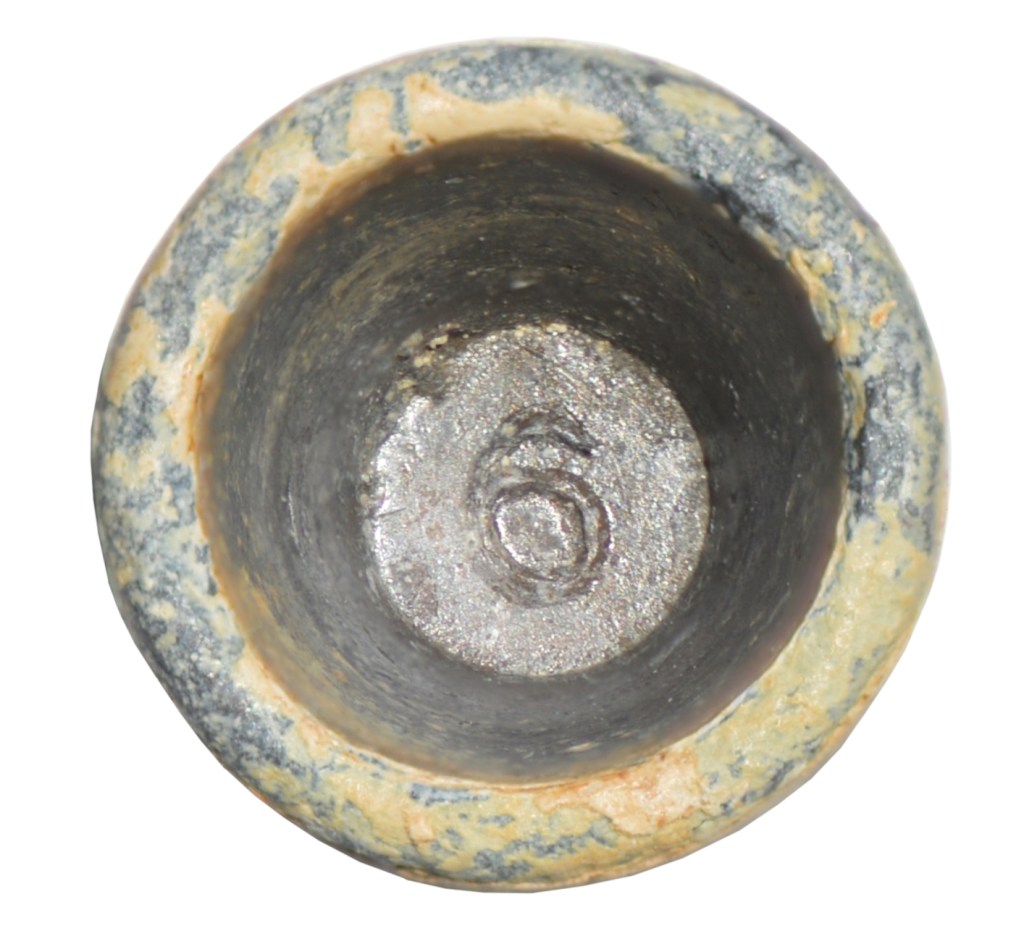
This unfired 4th pattern bullet has the vertical slice visible on the side, made through the original paper cartridge. The original wooden plug is no longer present. There are four faint broad arrows on the cavity rim and a ‘6’ in the central area.
4th pattern wooden plug, fired
- Weight (with plug): 505 gn (32.7 g)
- Weight (without plug): 495 (32.3 g)
- Diameter: 0.572 in (14.5 mm)
- Length: 1.029 in (26.1 mm)
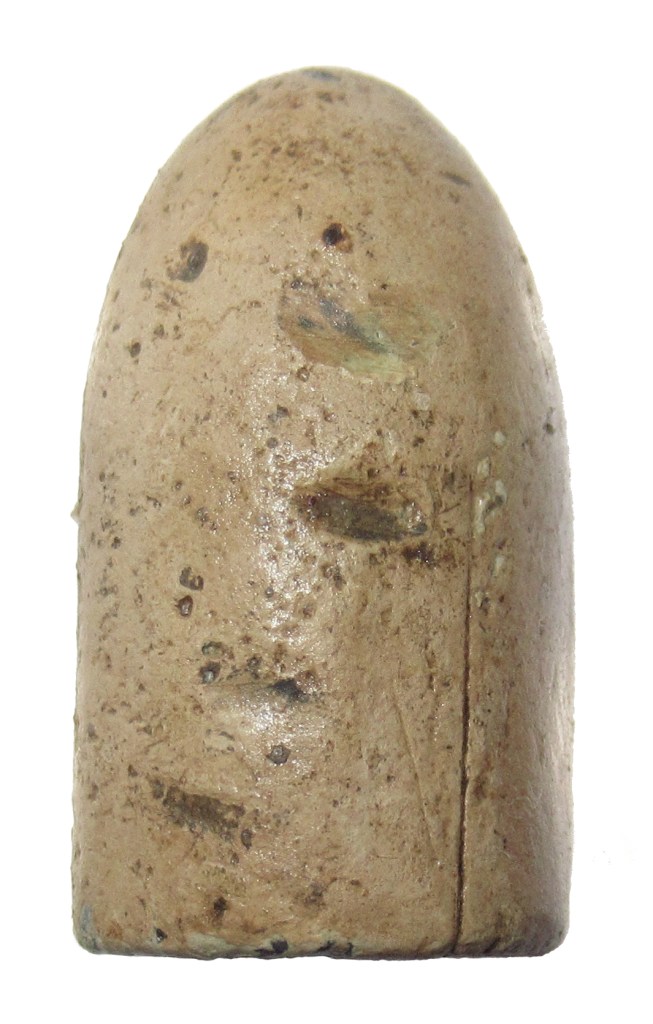
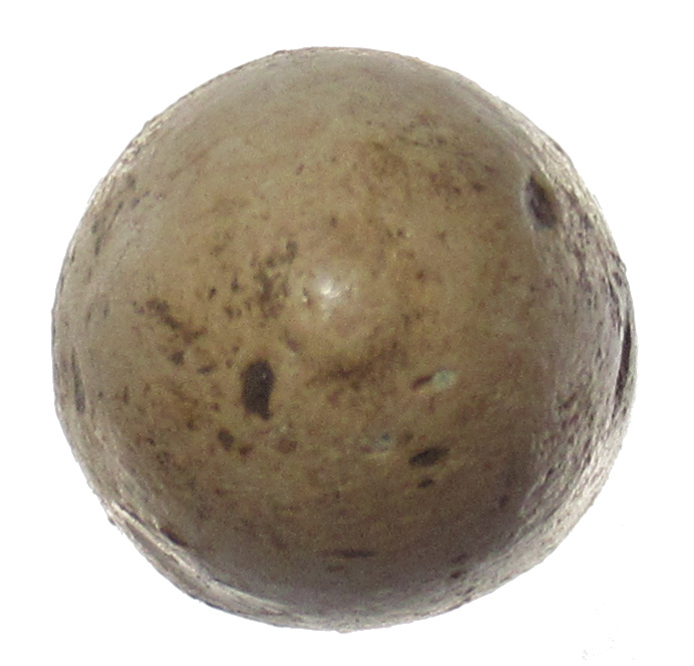
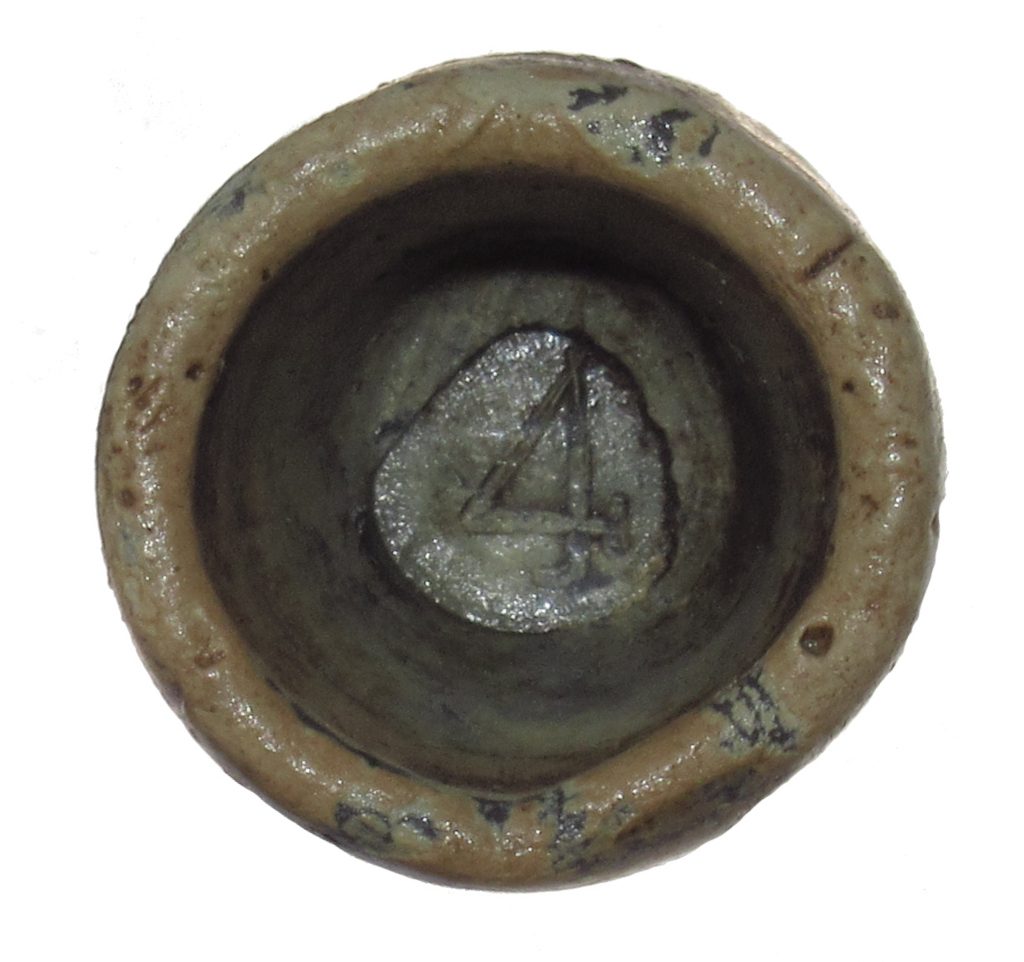
Note the more squat appearance of this pattern 4 bullet, which is the result of being fired. The die ejection ring is not visible of this specimen. The paper cartridge ‘slice’ is once again visible of the side view of the bullet. The cavity shows the rounded triangle of the rifle grooves, compressed by the plug. Four broad arrows are placed around the rim and a ‘4’ is in the central cavity.
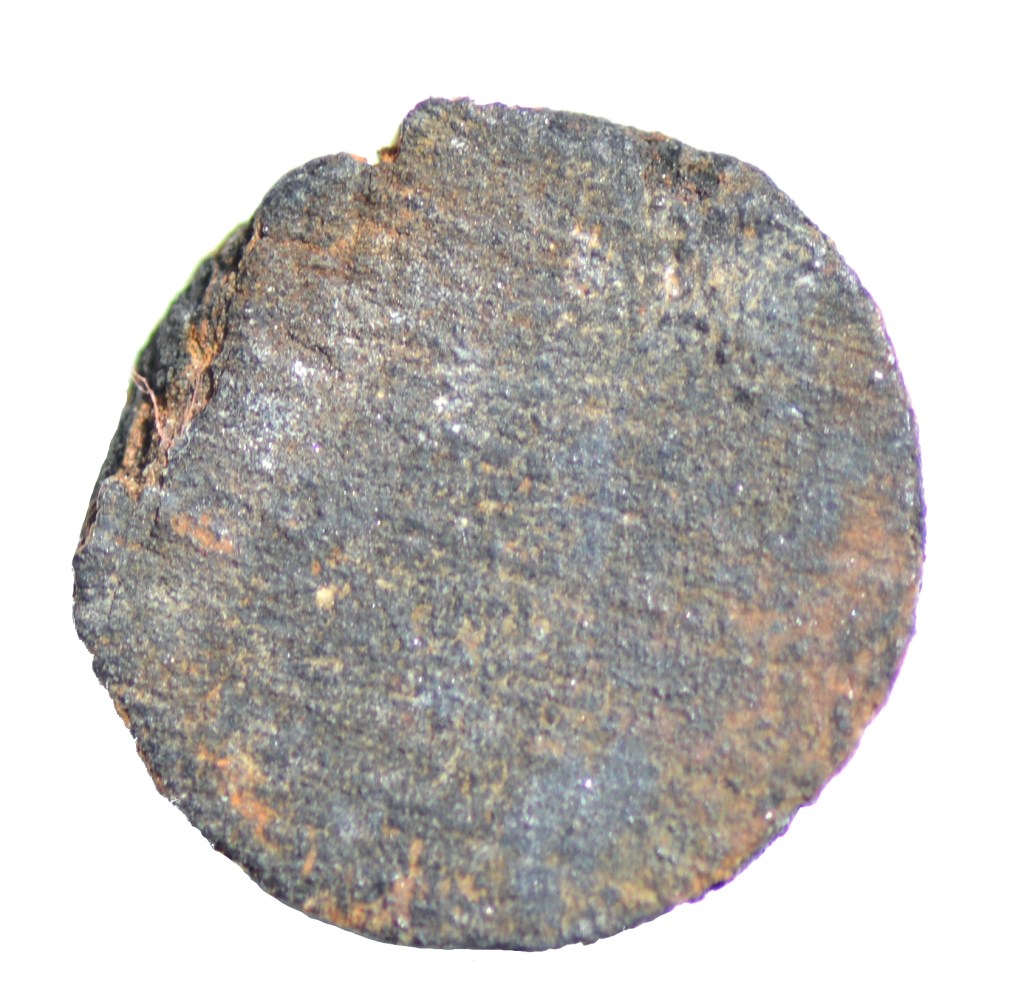
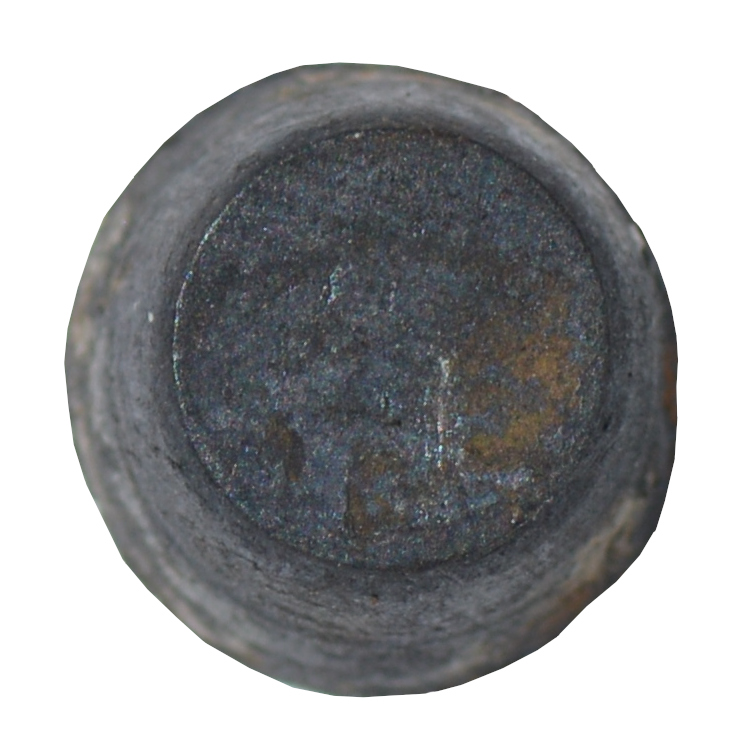
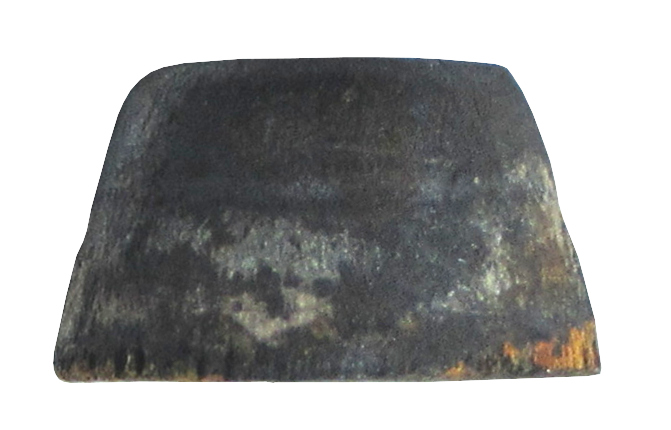
The wooden plug from the bullet above. Base, top and side views.
- Weight: 6 gn (.37 g)
- Diameter: 0.404 in (10.4 mm)
- Height: 0.235 in (6 mm)
4th pattern clay plug, unfired
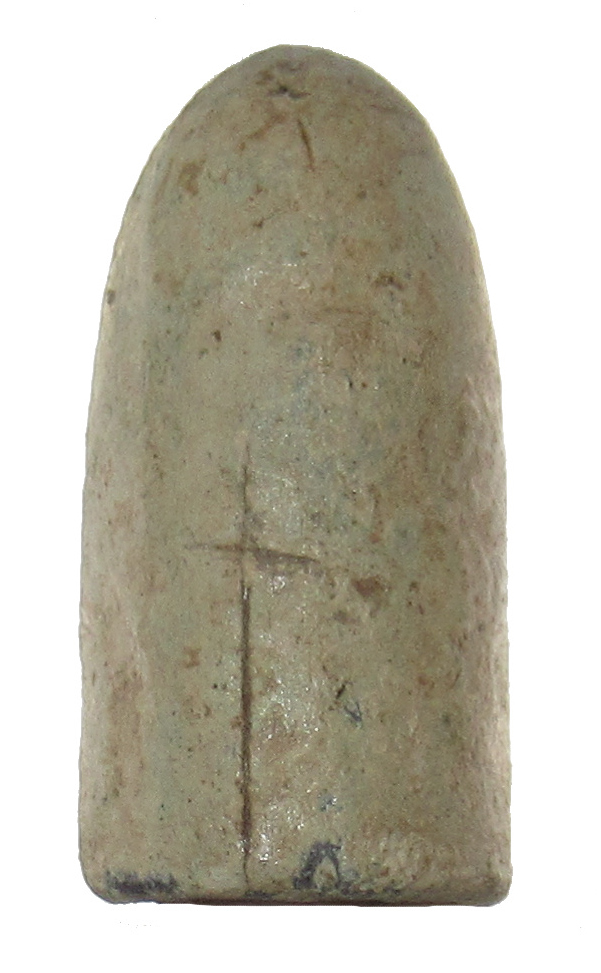
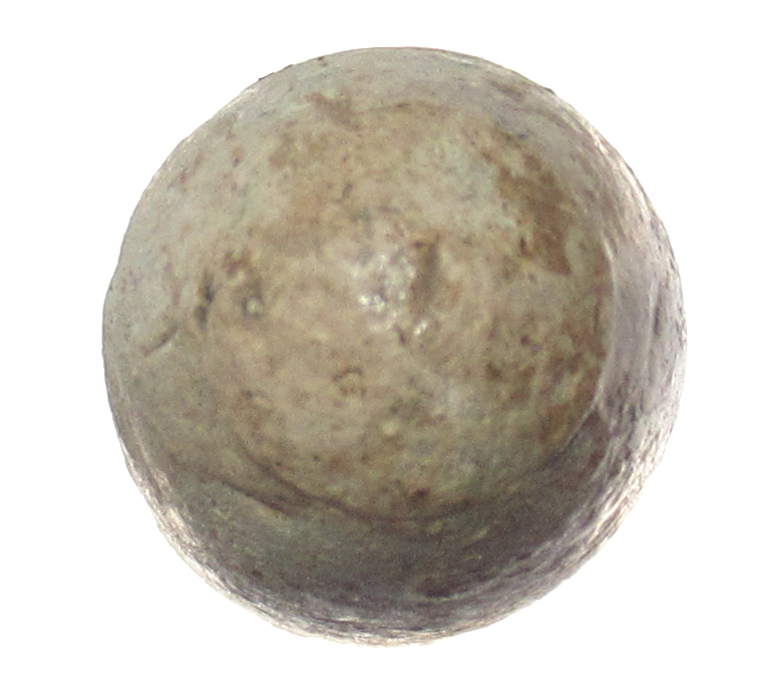
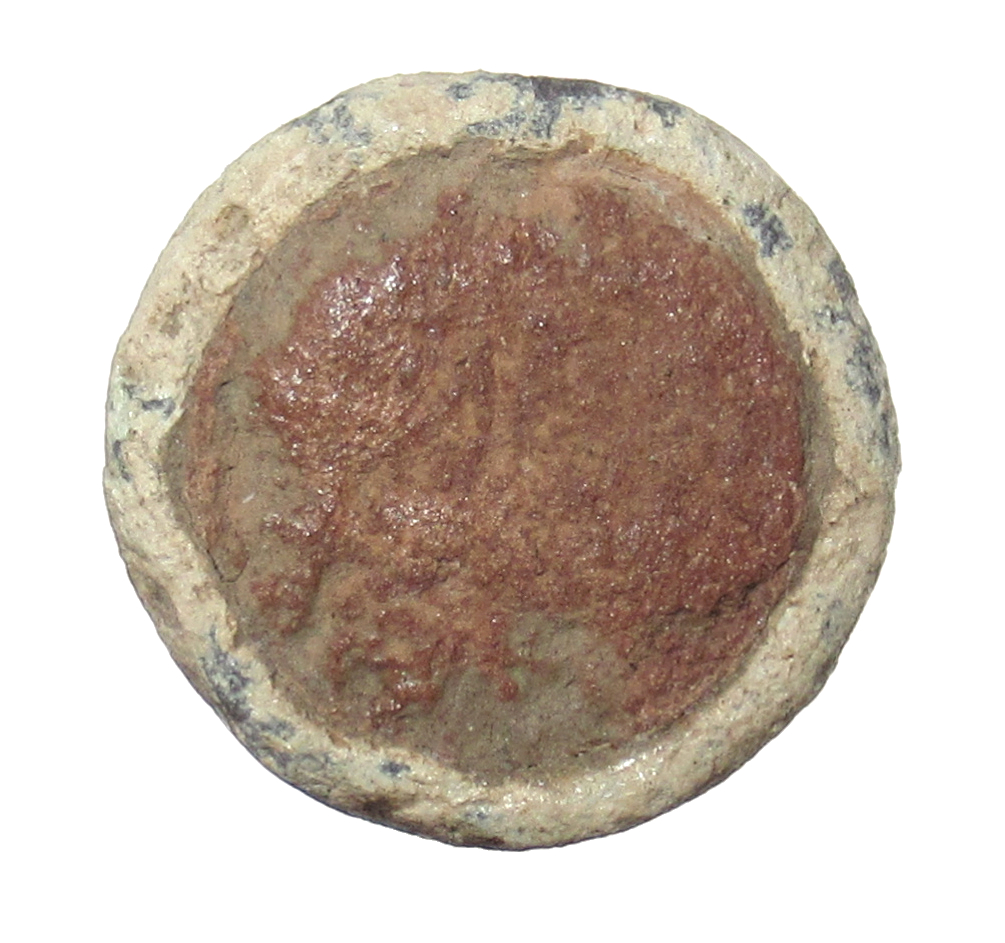
- Weight (with clay plug): 522 gn (33.8 g)
- Diameter: 0.555 in (14.1 mm)
- Length: 1.119 in (28.4 mm)
Another 4th pattern bullet, this time with the clay plug, introduced in 1863. The ejector ring on the nose and the paper cartridge ‘slice’ are clearly visible. The slice mark usually creeps down onto the base of the bullet, easily differentiated from rifling marks, which do not affect the bullet base.In unfired examples, the plugs are flush with the base of the bullet.
4th Pattern clay plug, fired
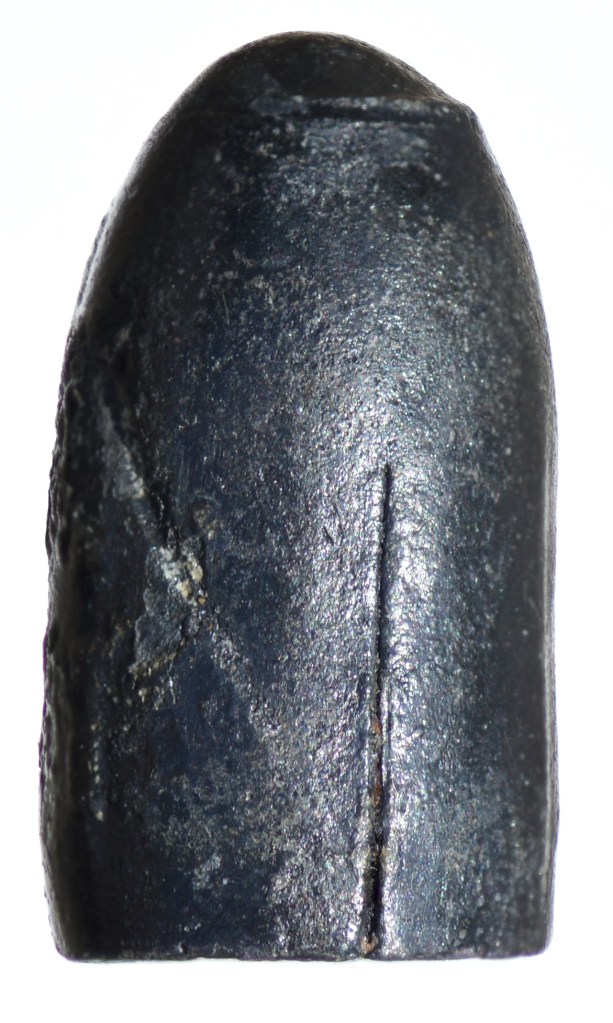
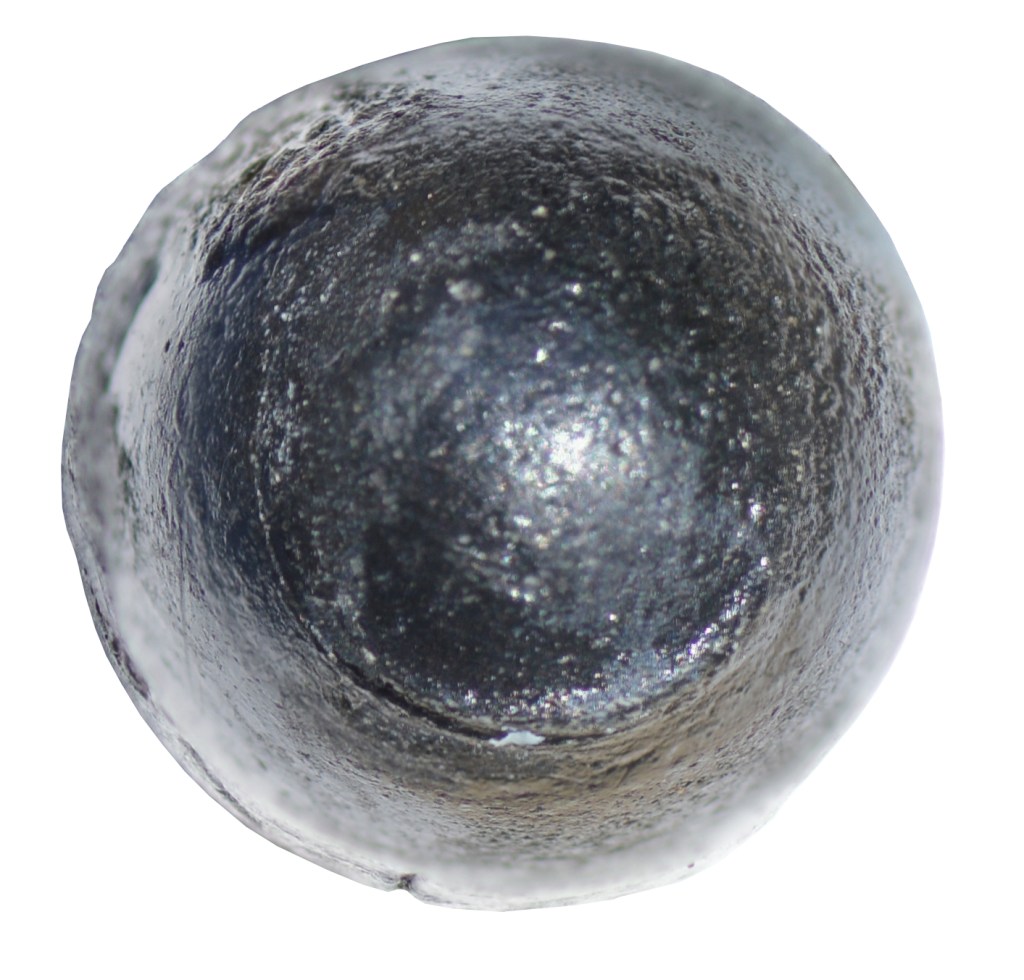
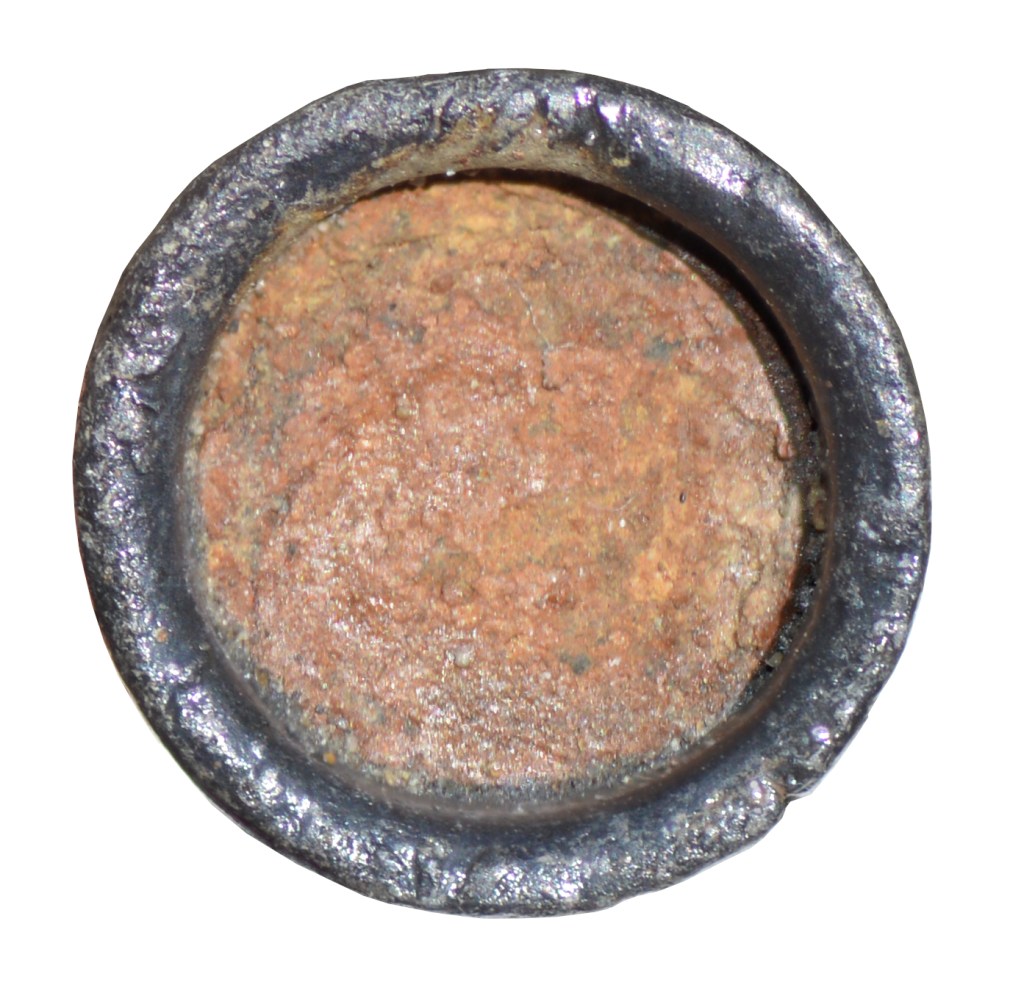
- Weight (with clay plug): 535 gn (34.6 g)
- Diameter: 0.591 in (15 mm)
- Length: 1.043 in (26.5 mm)
This 4th pattern clay plug bullet has been fired and the plug has become recessed to a depth of 0.132 in (3.3 mm). The ejector ring is visible but has suffered from a ramrod stroke (the reduced diameter of the bullet should, in theory, have done away with the need to use force with the rod). The cartridge slice mark and four broad arrows are also visible.
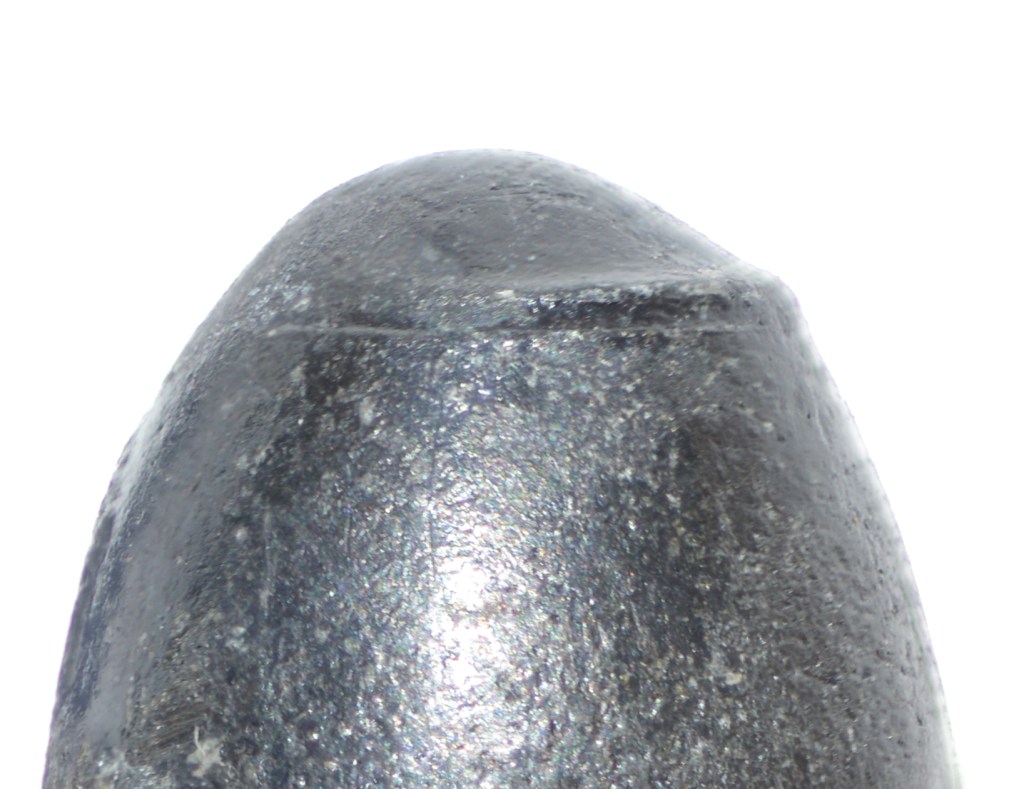
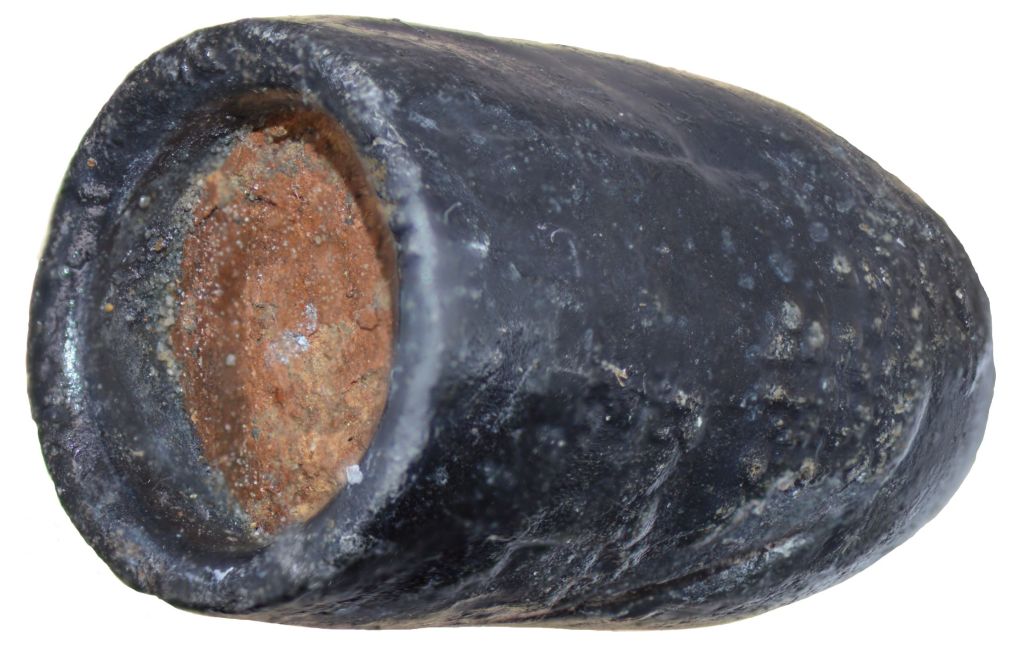
Detail of the ejector mark, overlain by the ramrod impression (on the left) and the recessed clay plug (on the right).
4th pattern reduced diameter and wooden/clay plug 1859
