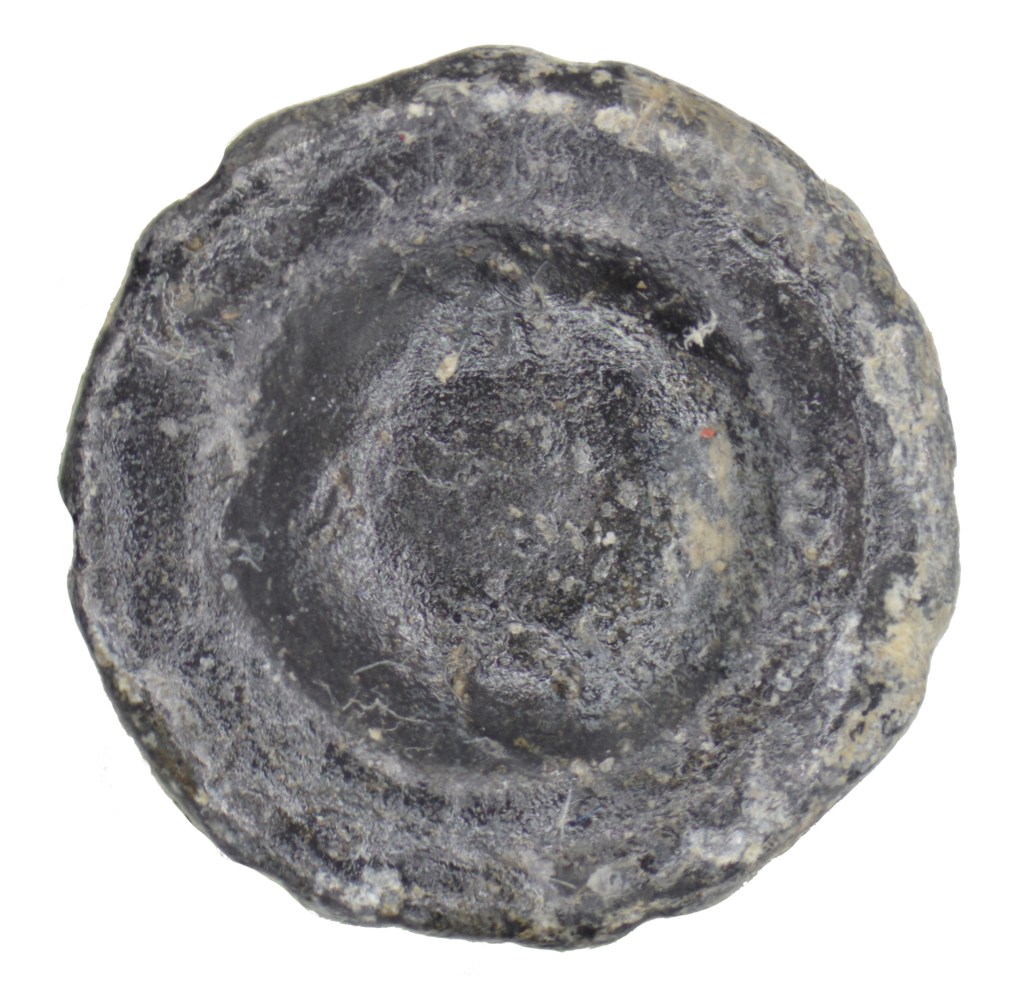
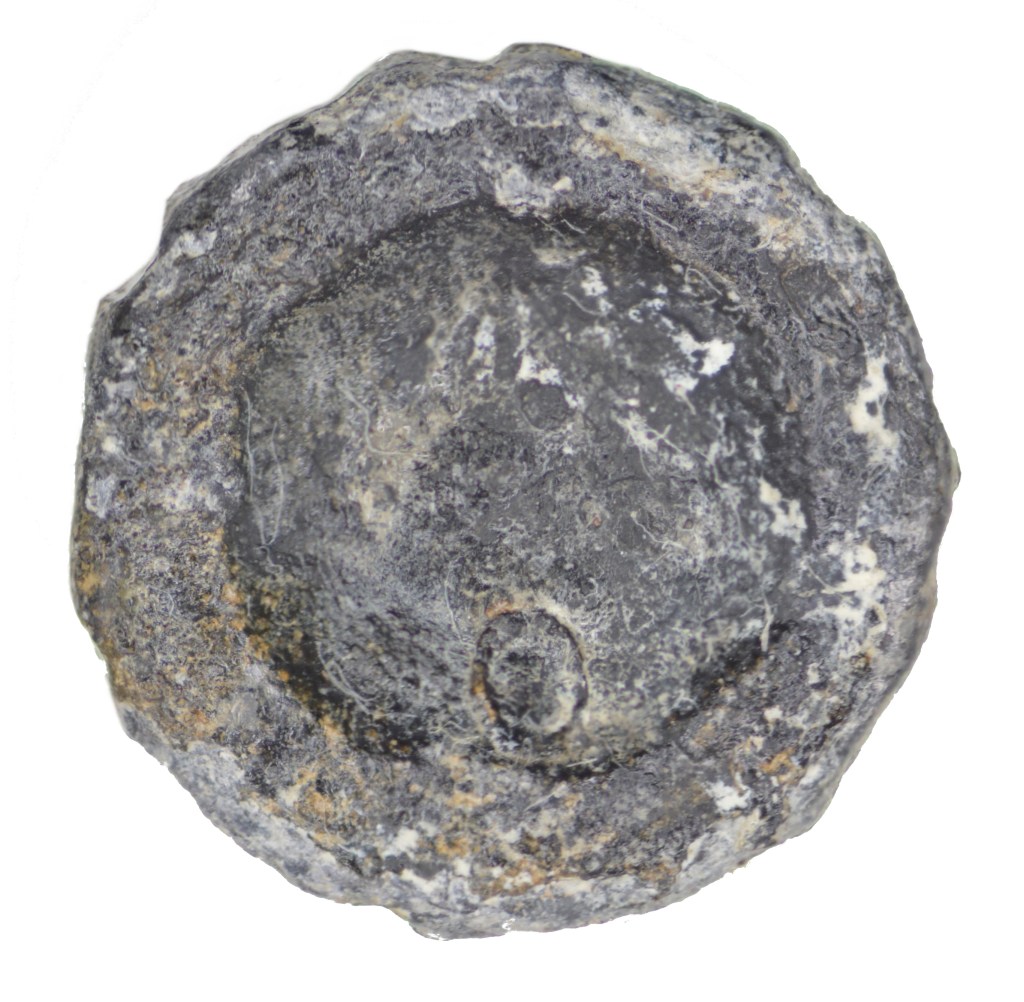
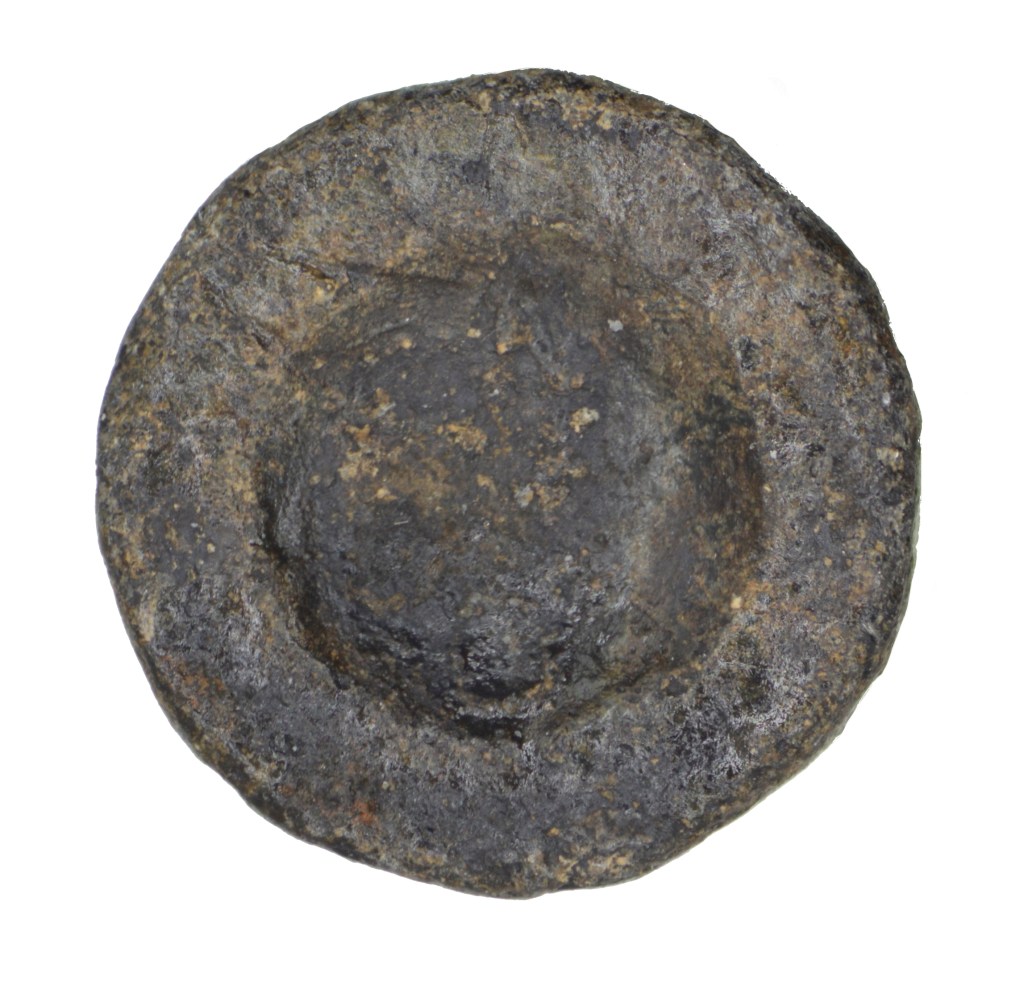
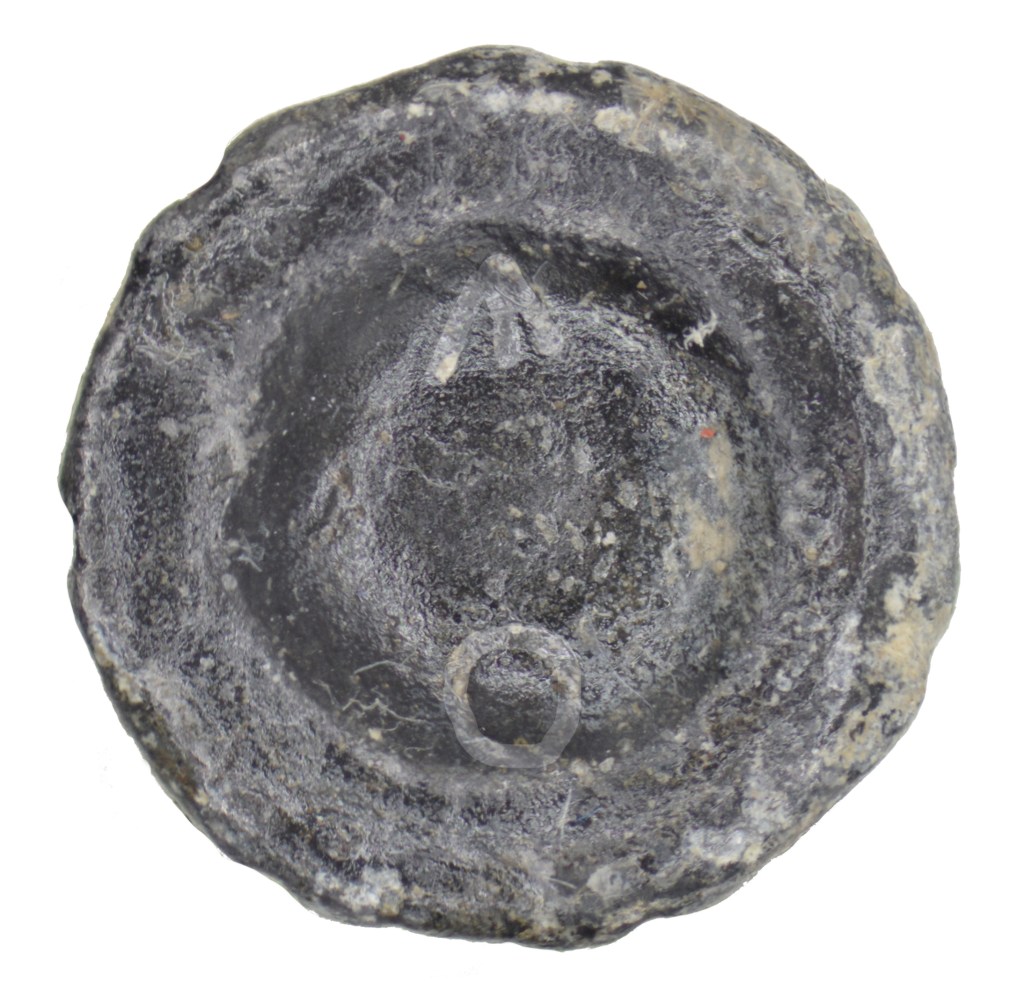
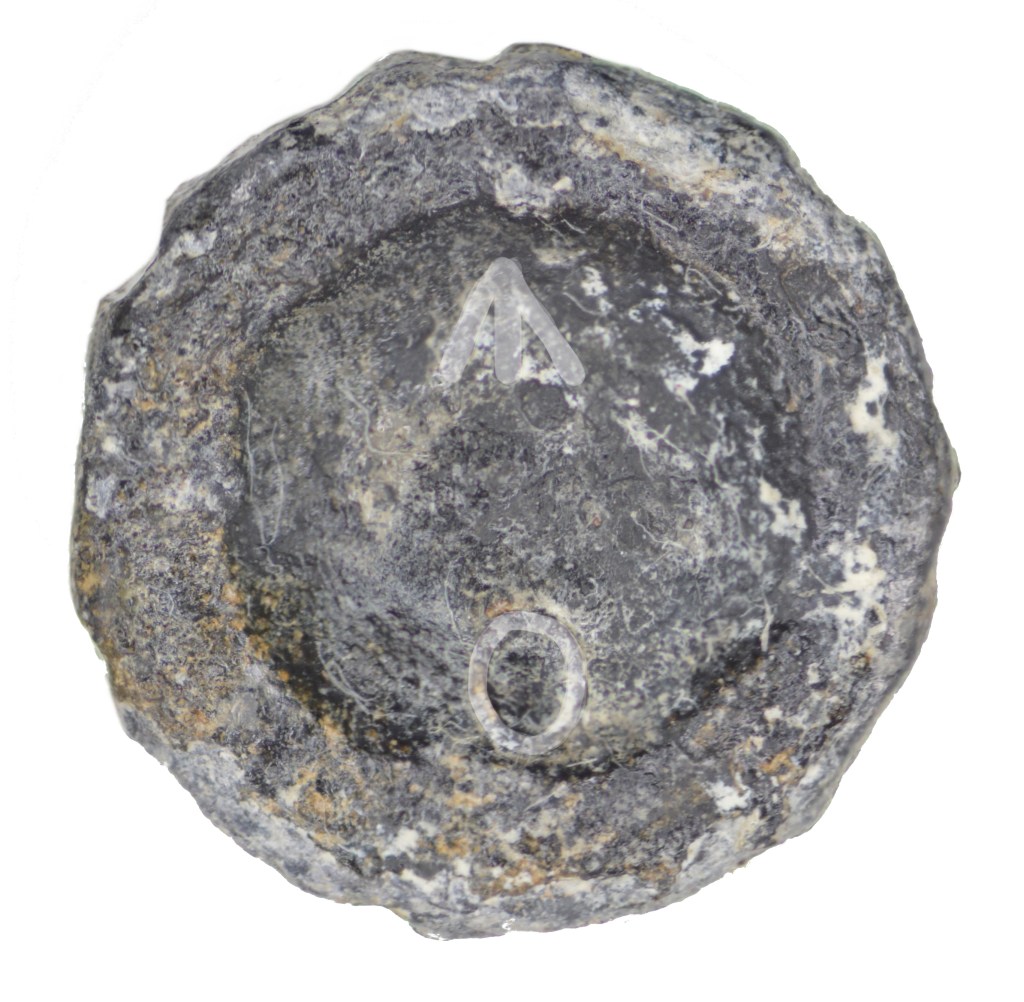
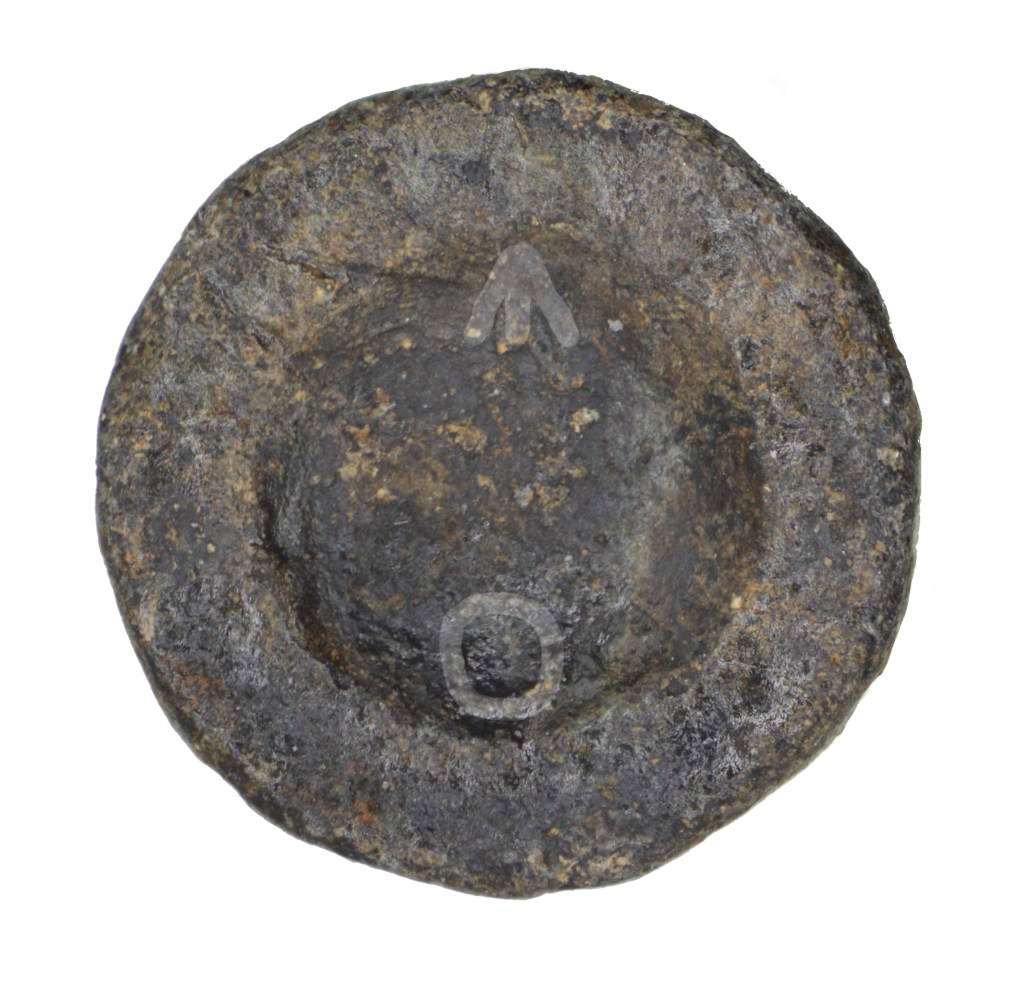
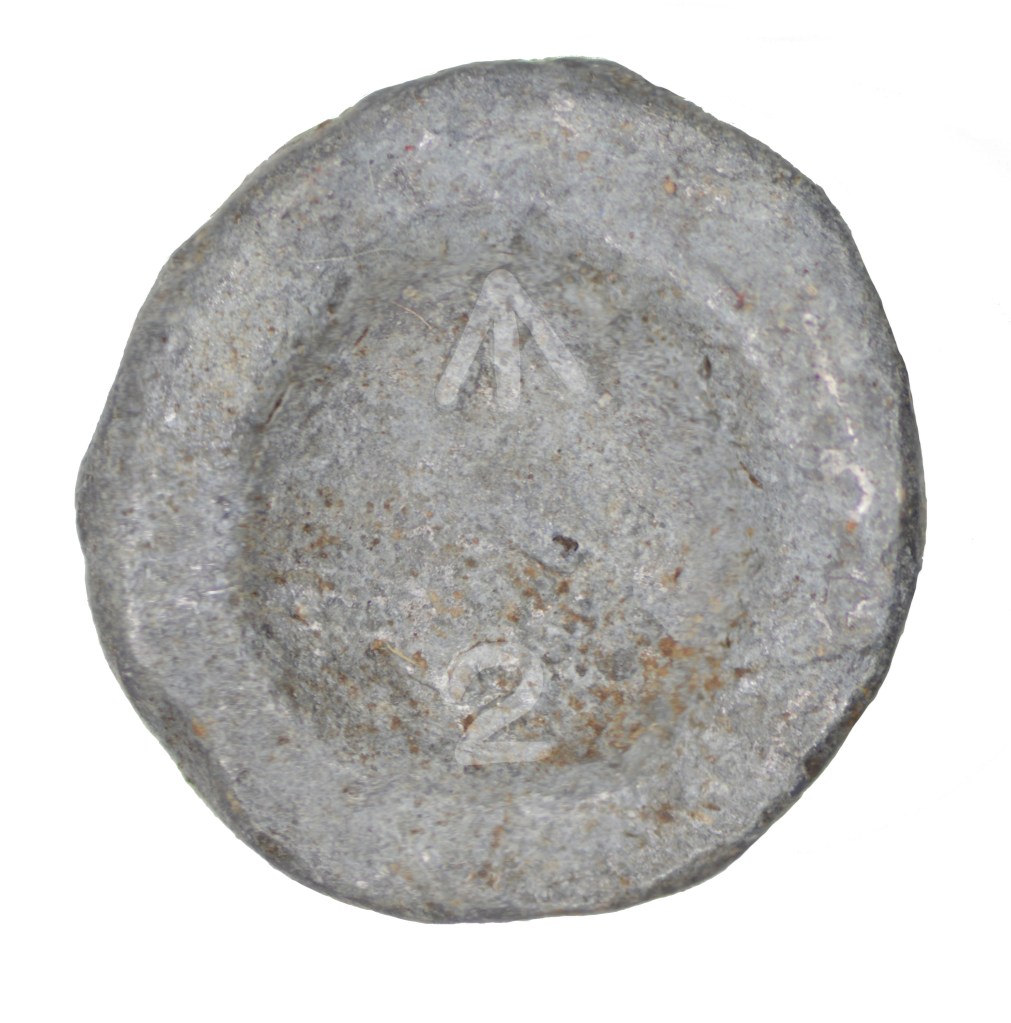
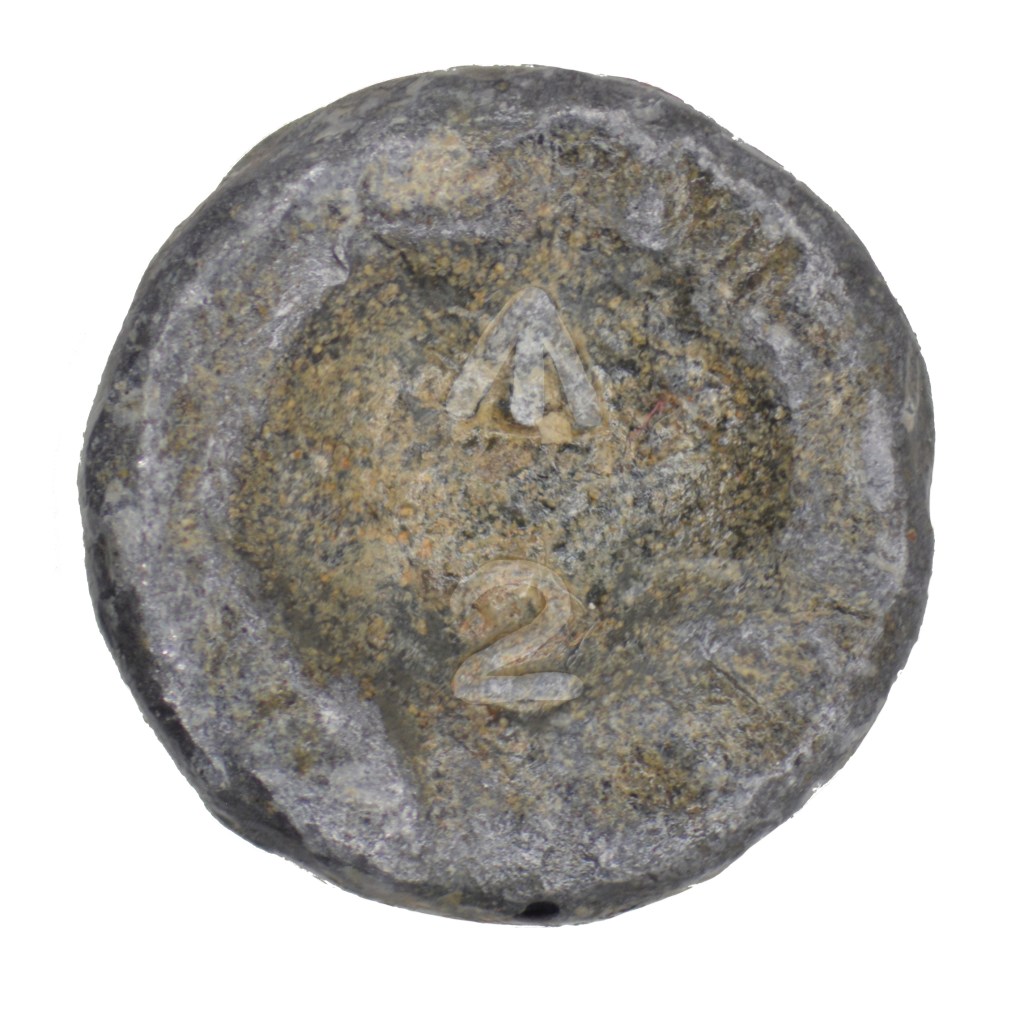
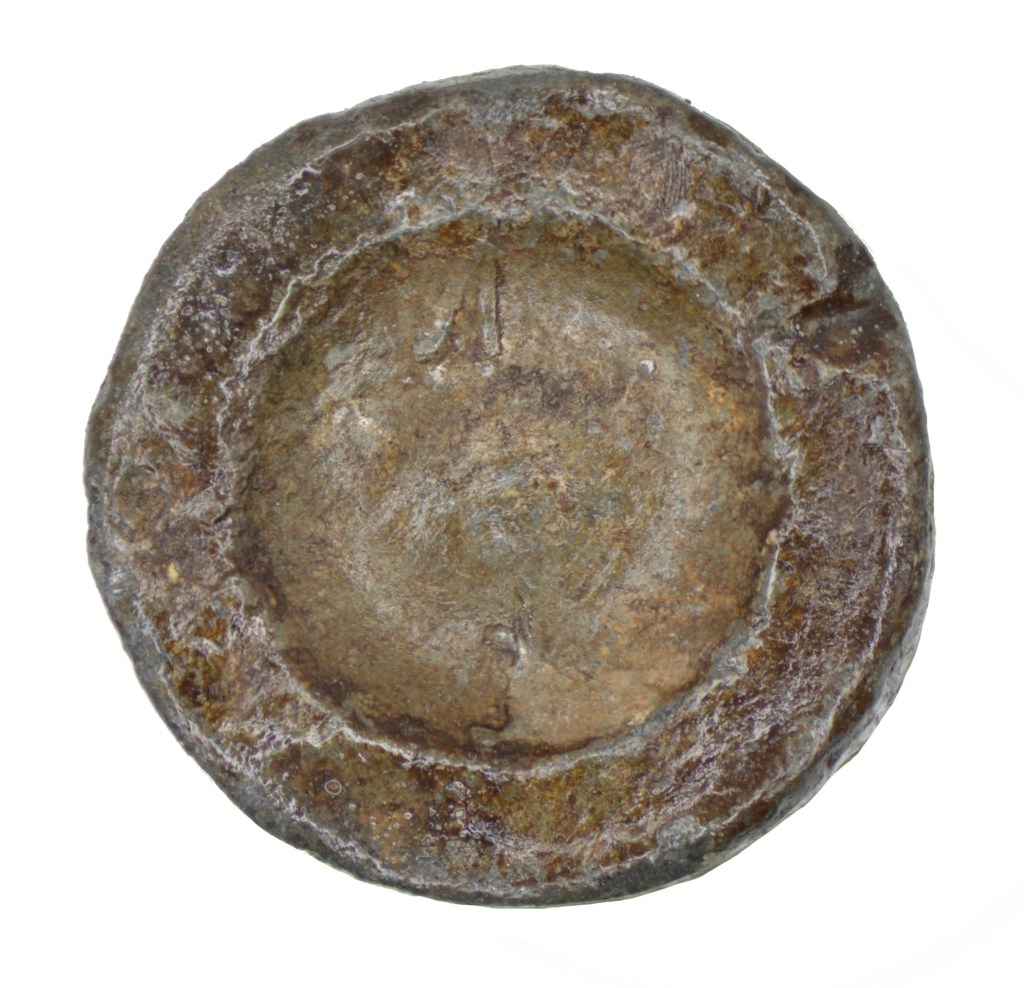
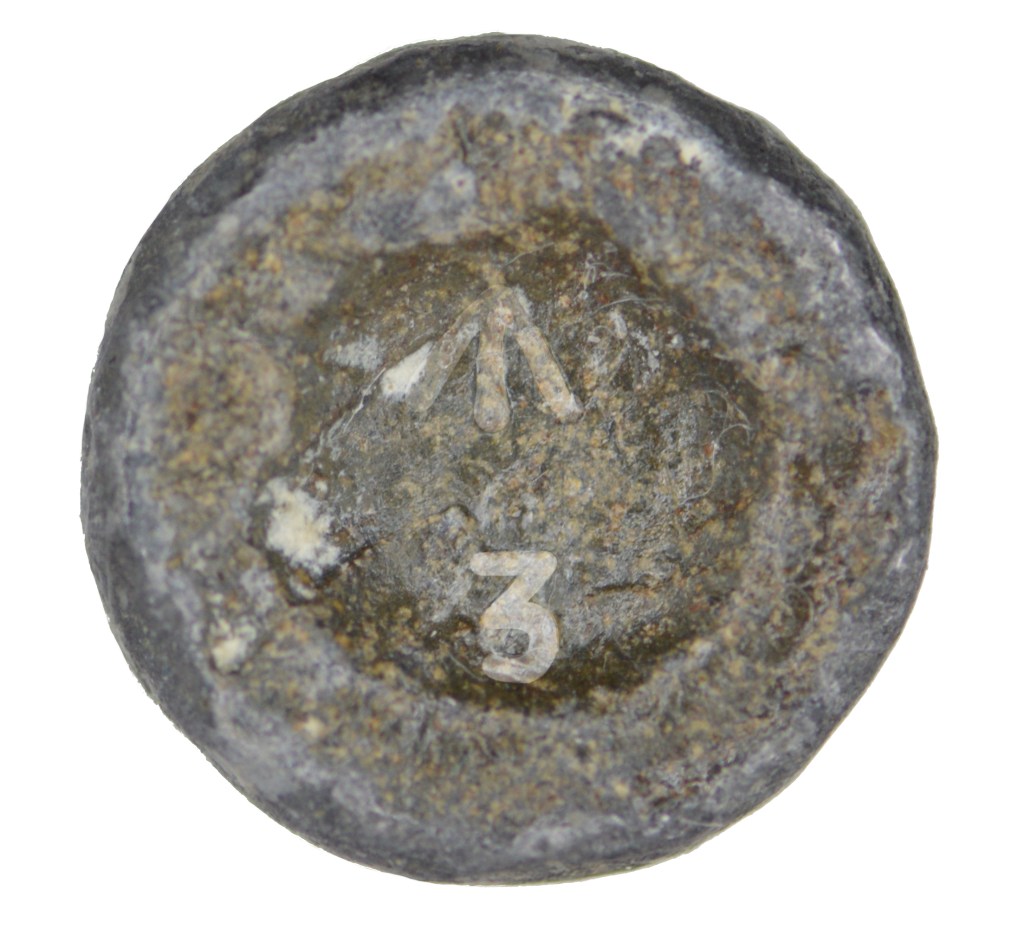
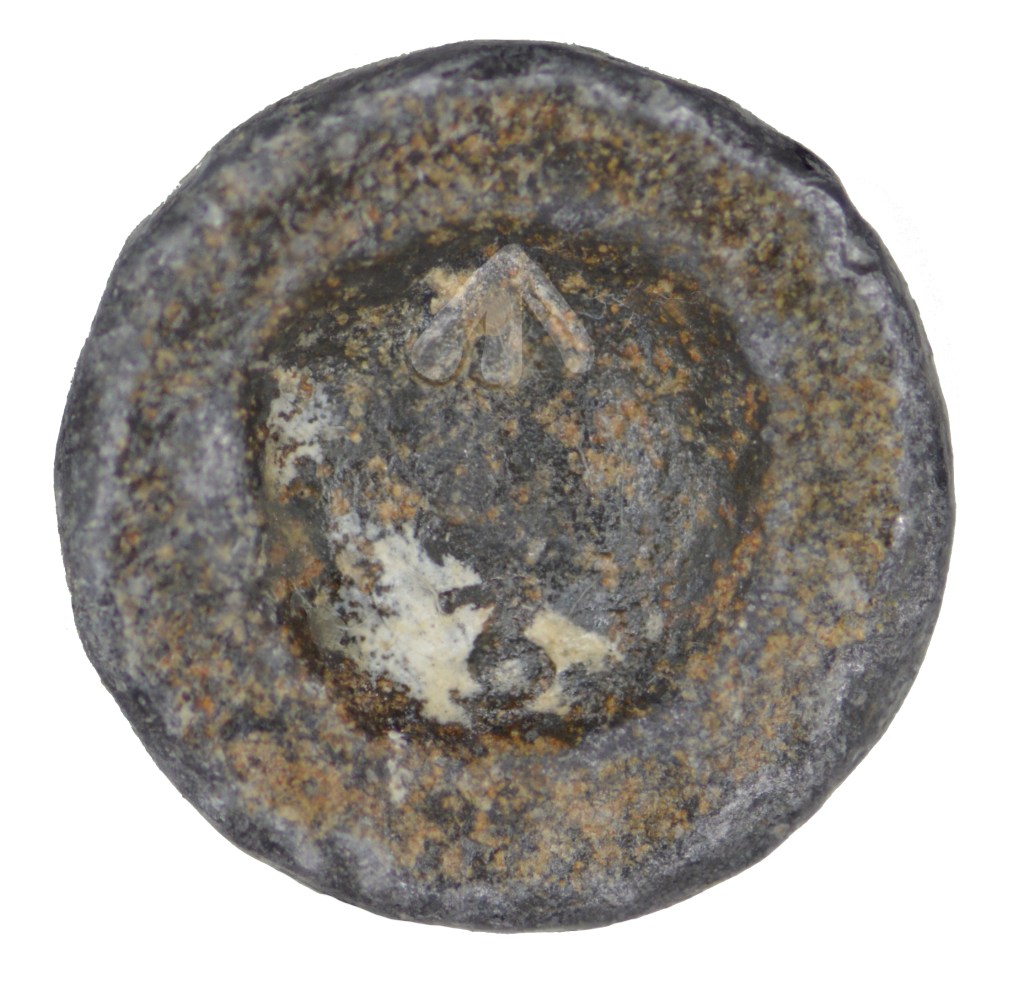
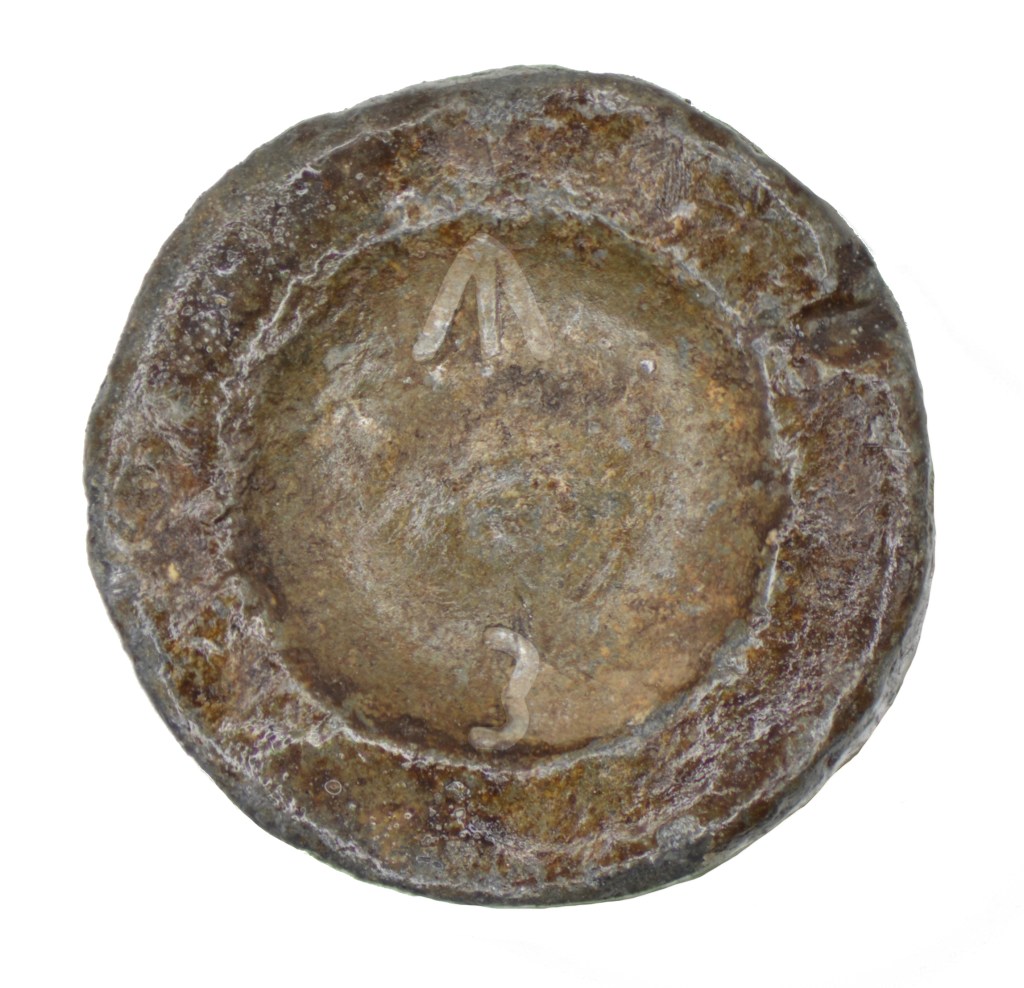
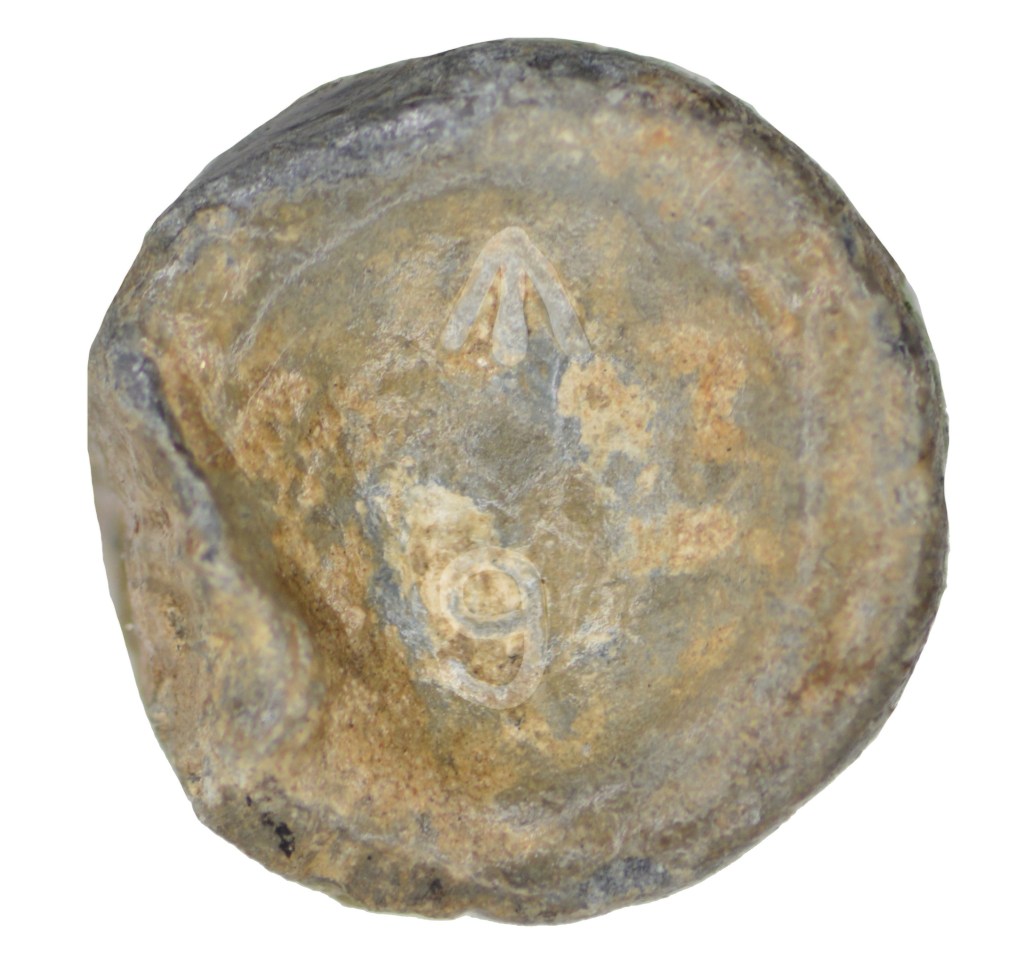
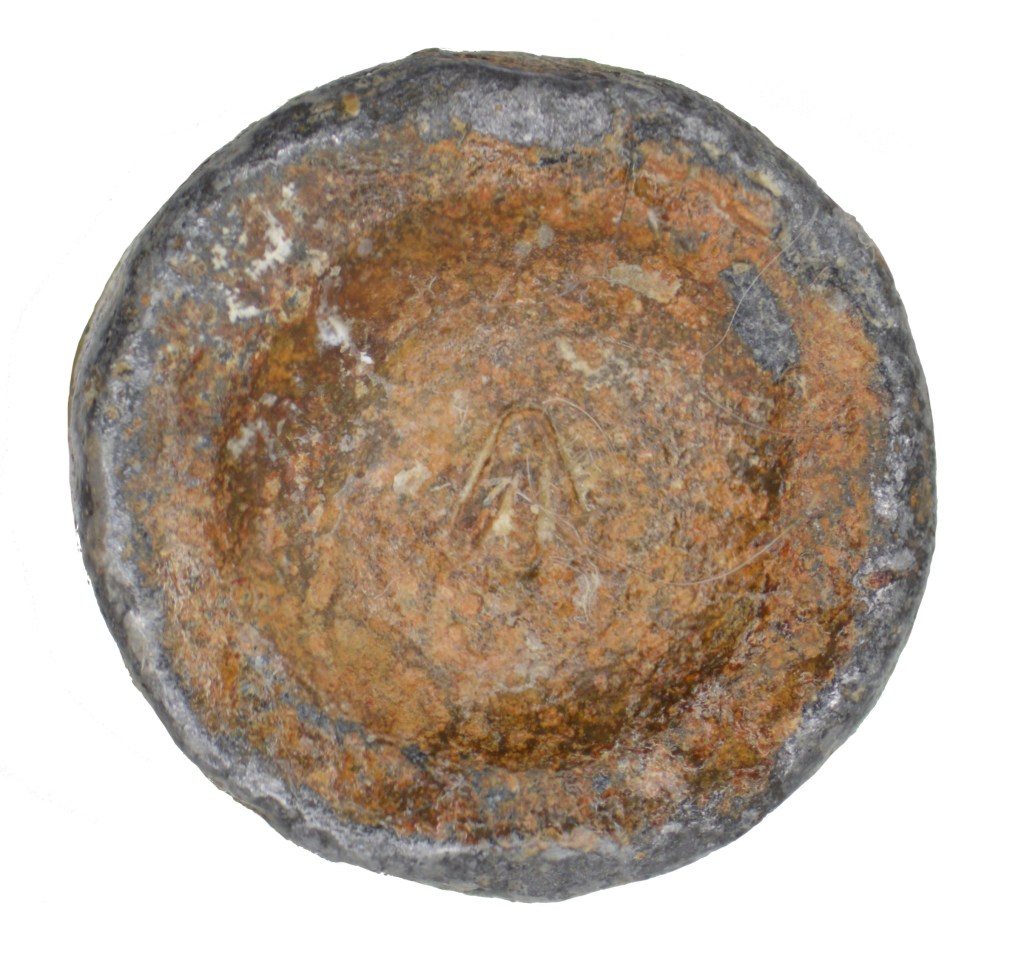
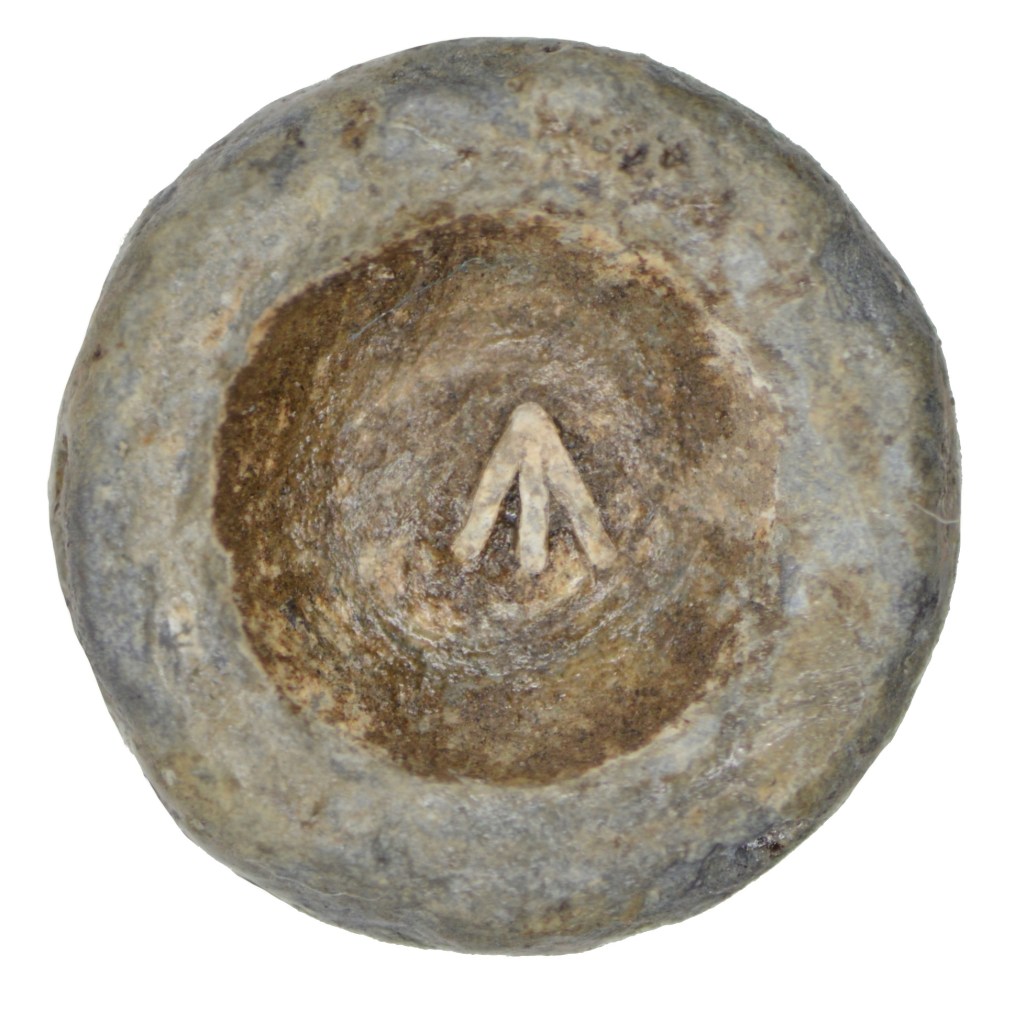
The stamps for Martini-Henry bullets are much harder to read than on P53 Enfield or Snider bullets. There are two likely reasons for this. Firstly, the alloy of lead and tin used for the Martini-Henry bullets seems to be less stable when buried in the ground and has a tendency to corrode, manifesting in spalling and a roughness to the surface of the bullets. Secondly, the Enfield and Snider bullets’ stamps are well protected behind their iron, wood and clay cups and plugs while the Martini-Henry bullet base is much closer to the heat and pressure of the ignition. Although there are three glazeboard discs, a beeswax wad and a patch in-between the bullet and powder, these may all be consumed by the combustion and offer no protection for the bullet from the process (see the bullet base with patch marks on the mark 3 bullet page). The base stamps below are shown twice, once in ‘natural’ form and then below that, with the stamp enhanced for clarity.
There are a few gaps in the sequence, with no examples of ‘5’, ‘6’ or ‘8’ and some new variations, ‘0’ and ‘9’. These latter two upset the symmetry of the the bullet press numbering seen with the Enfield bullet stamps (four presses per machine) and further examples of Martini-Henry stamps may help to clarify the situation.
Stamp 0
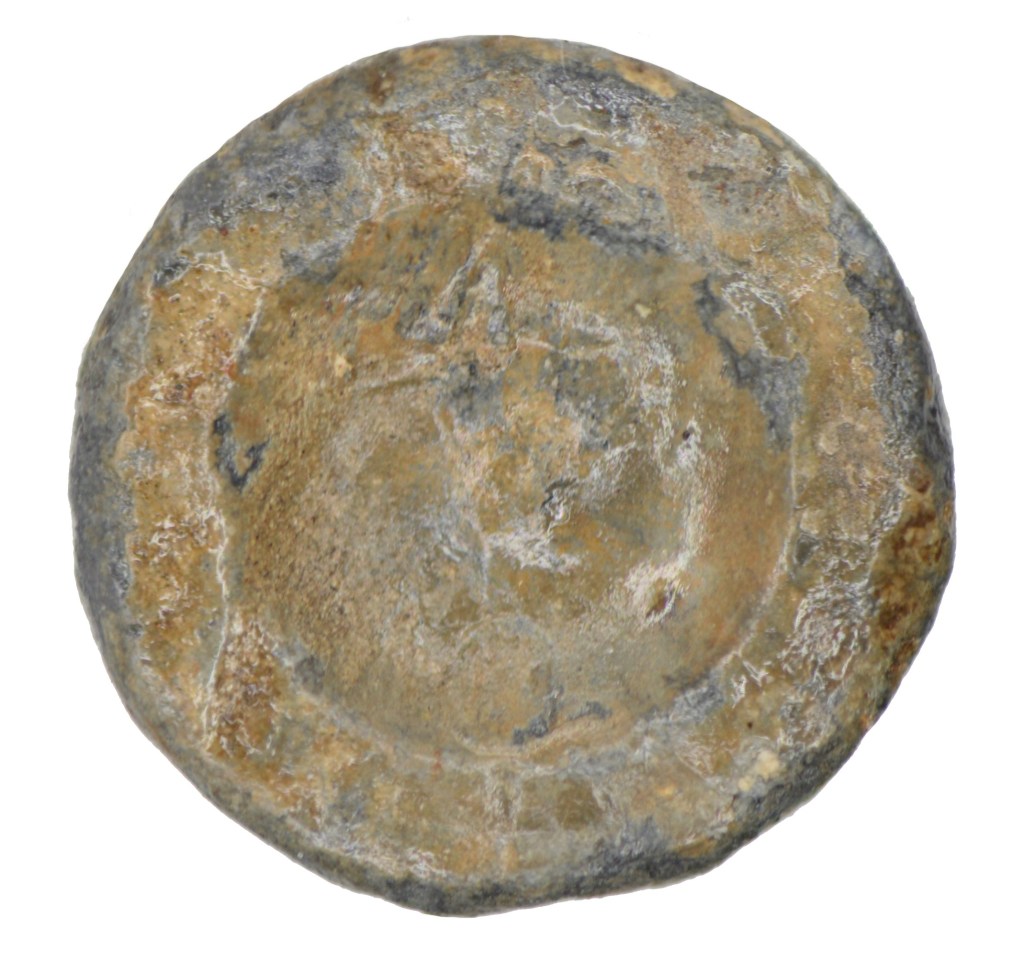
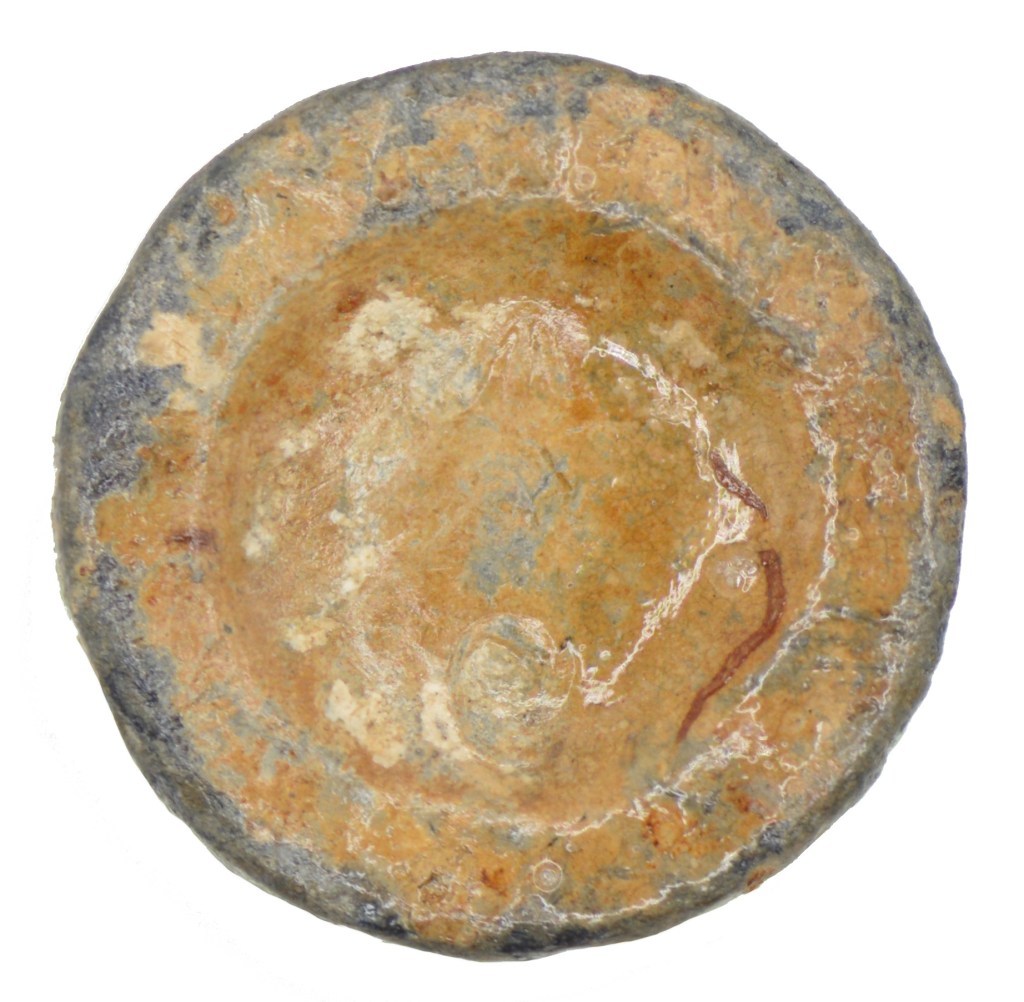
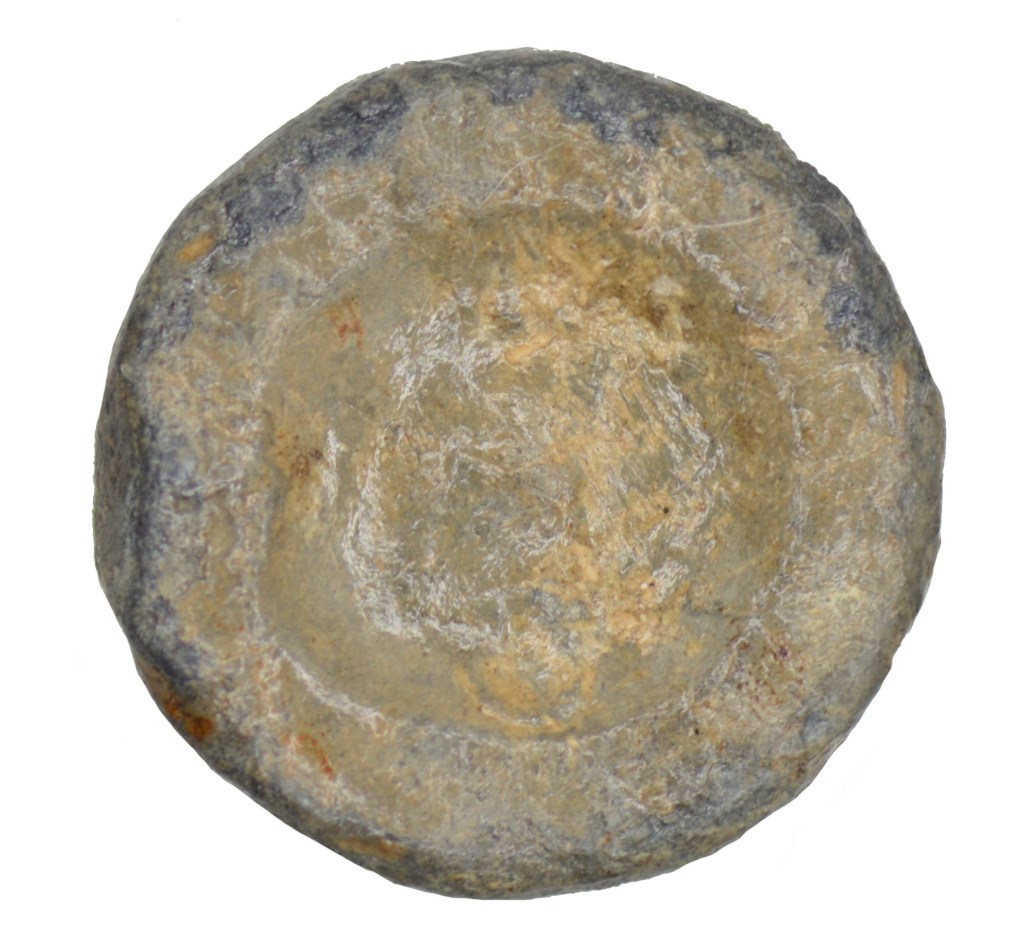
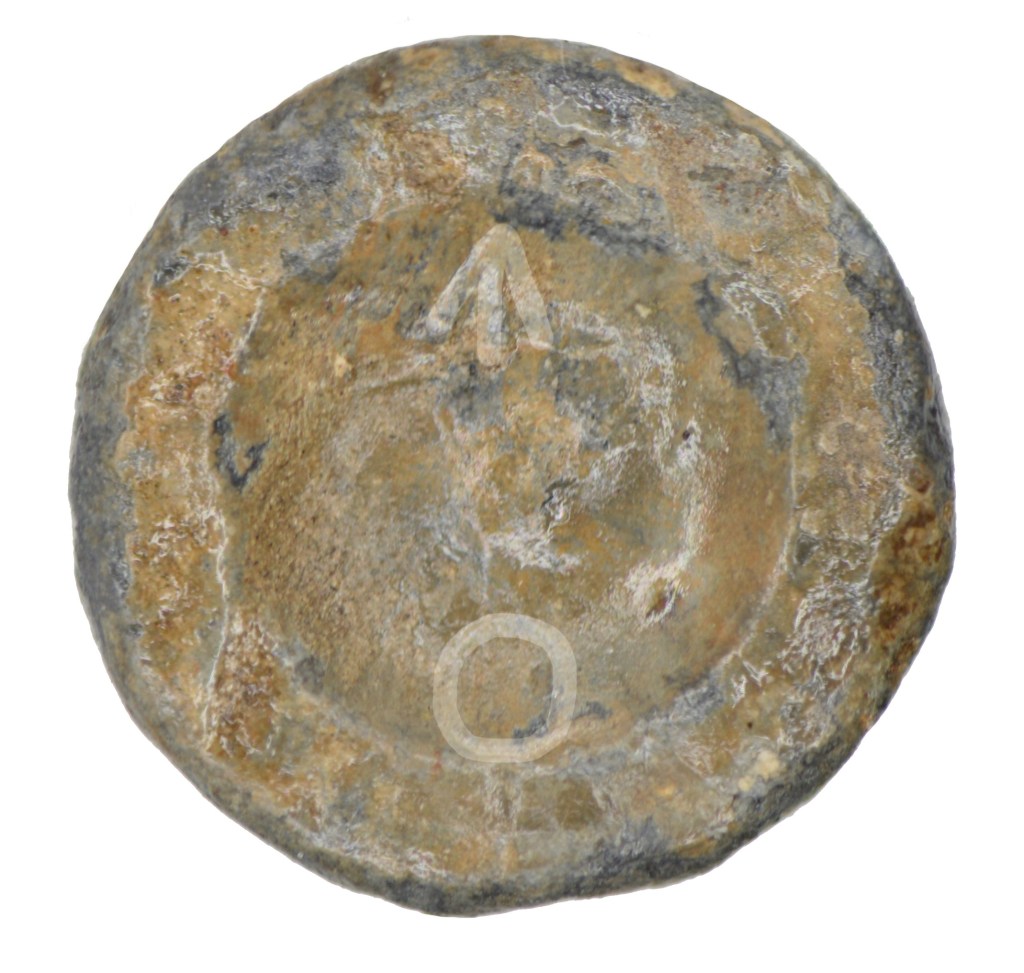
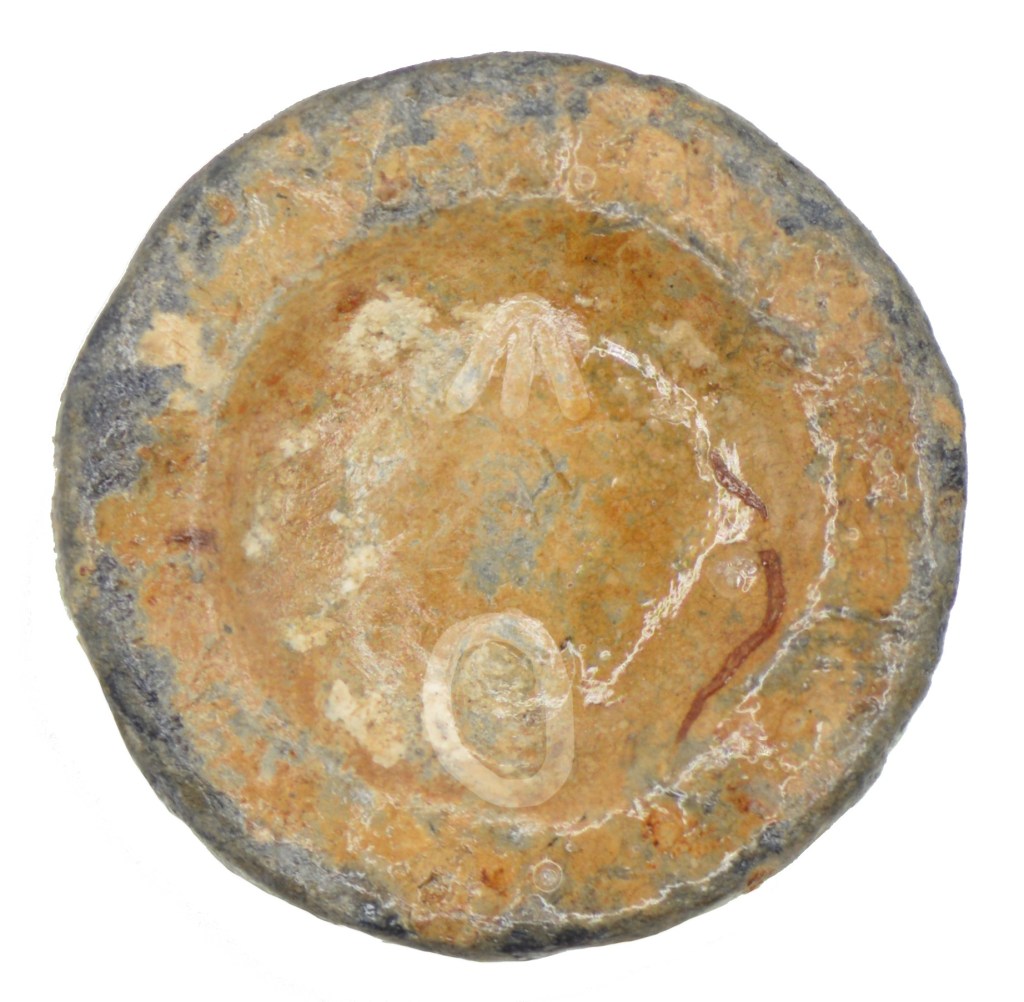
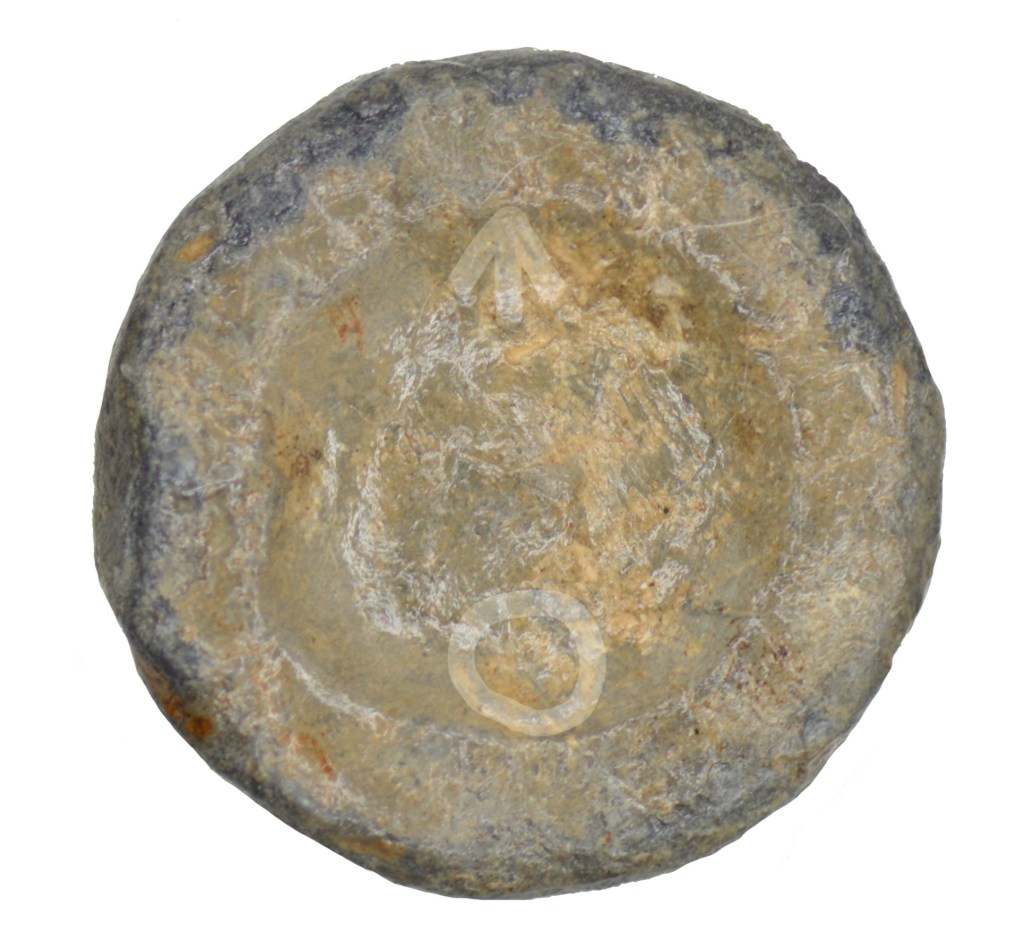
Stamp 1
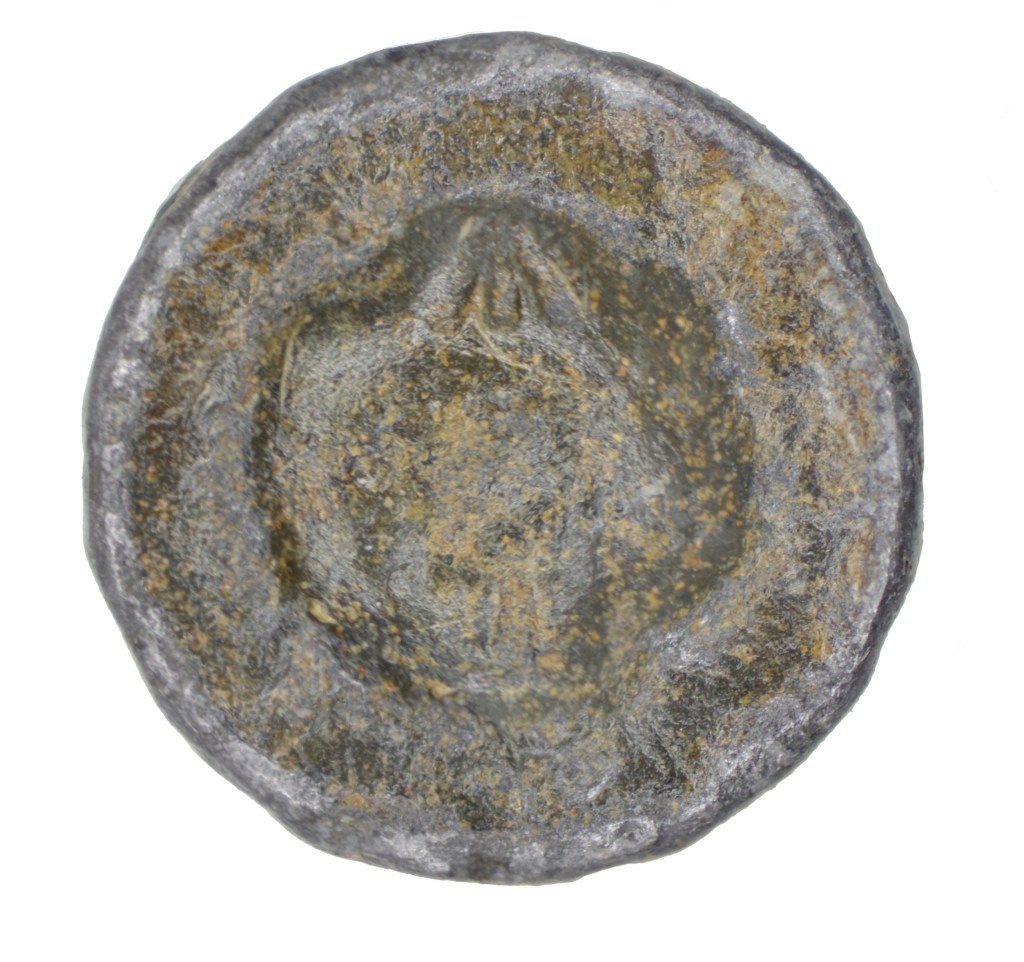
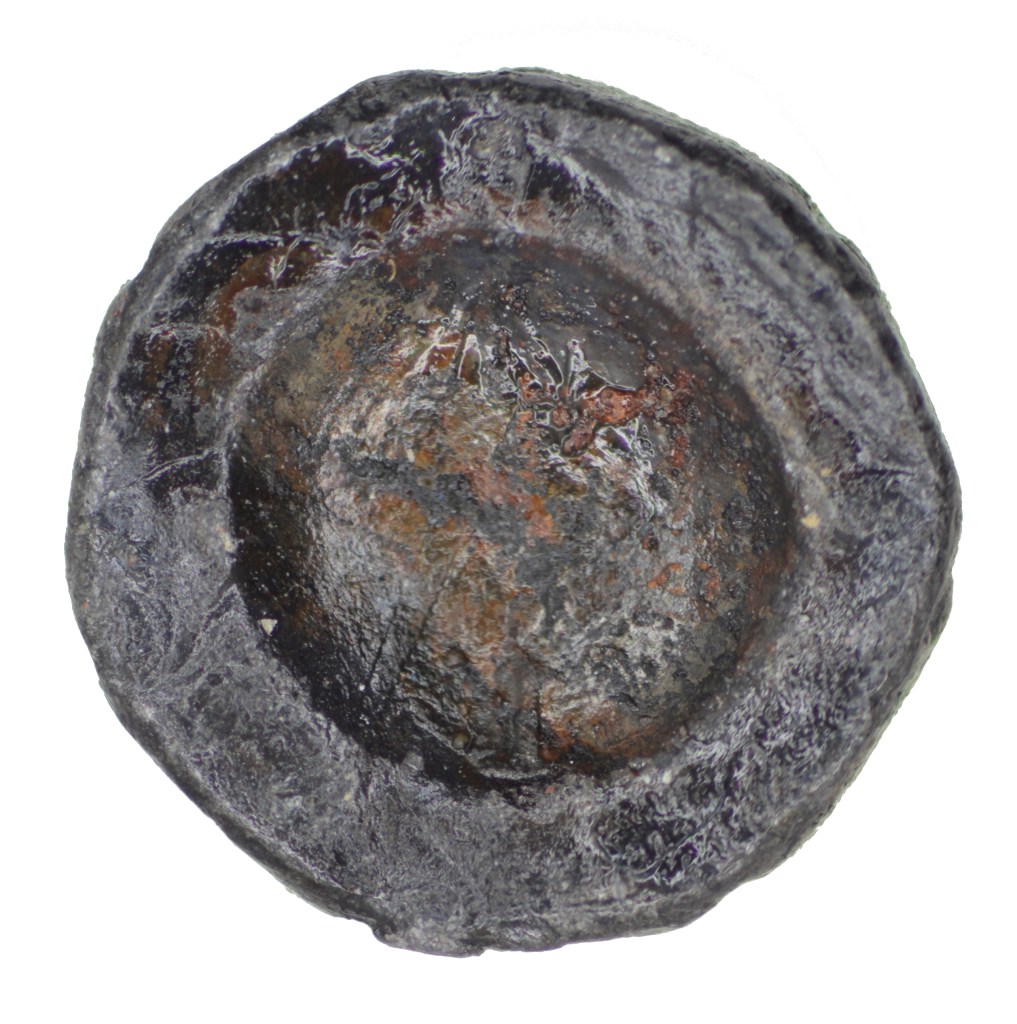
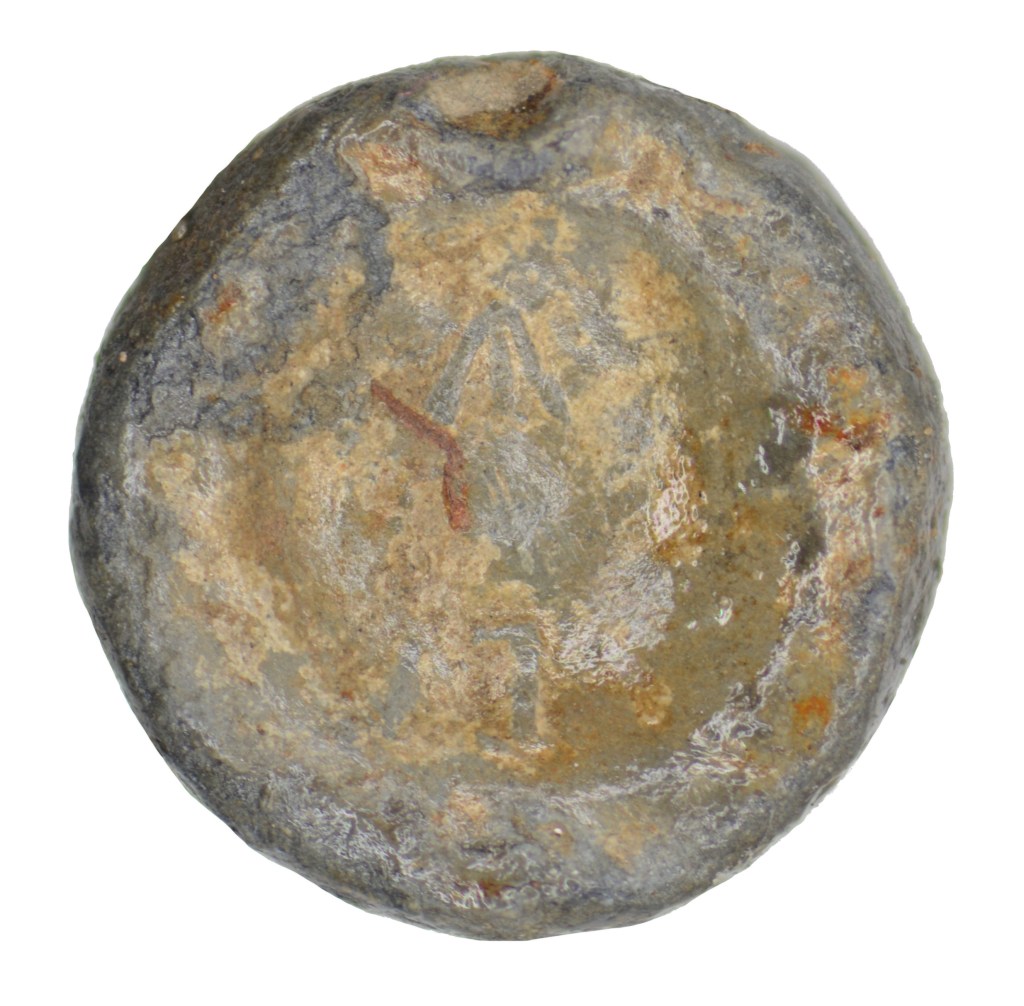
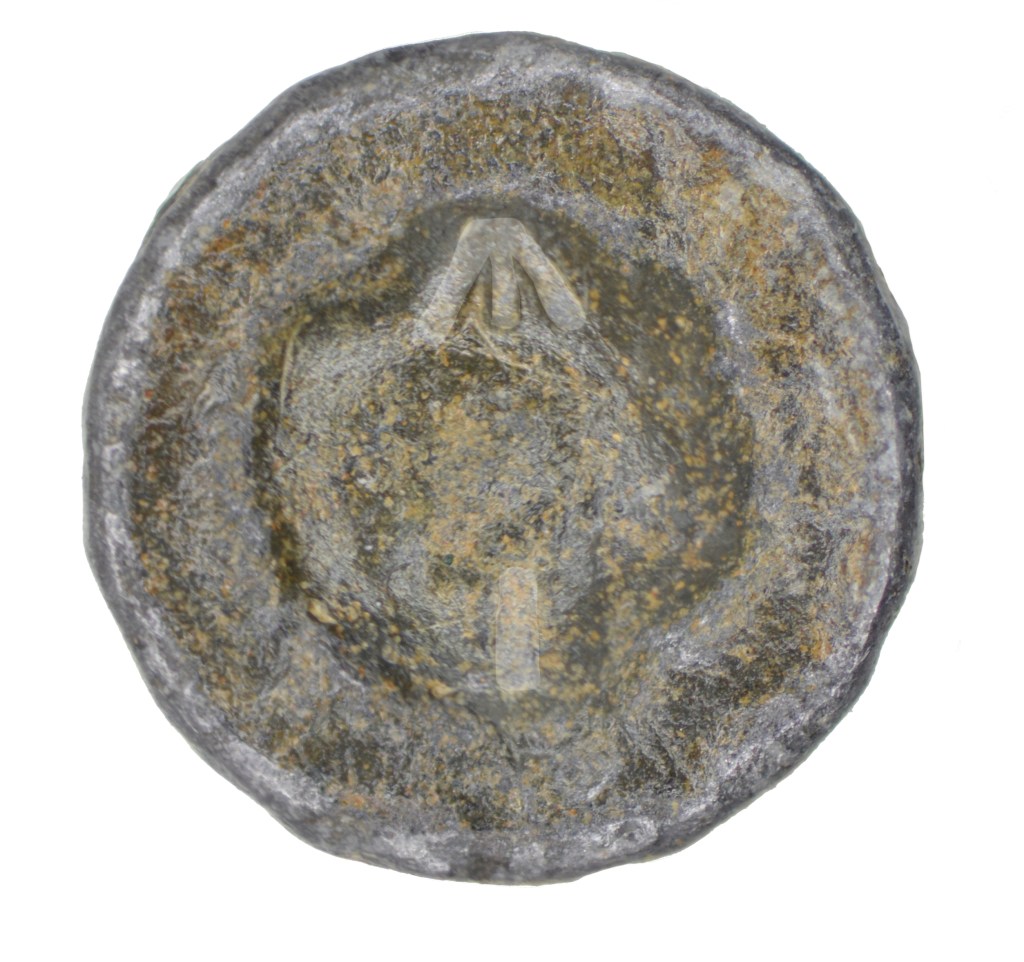
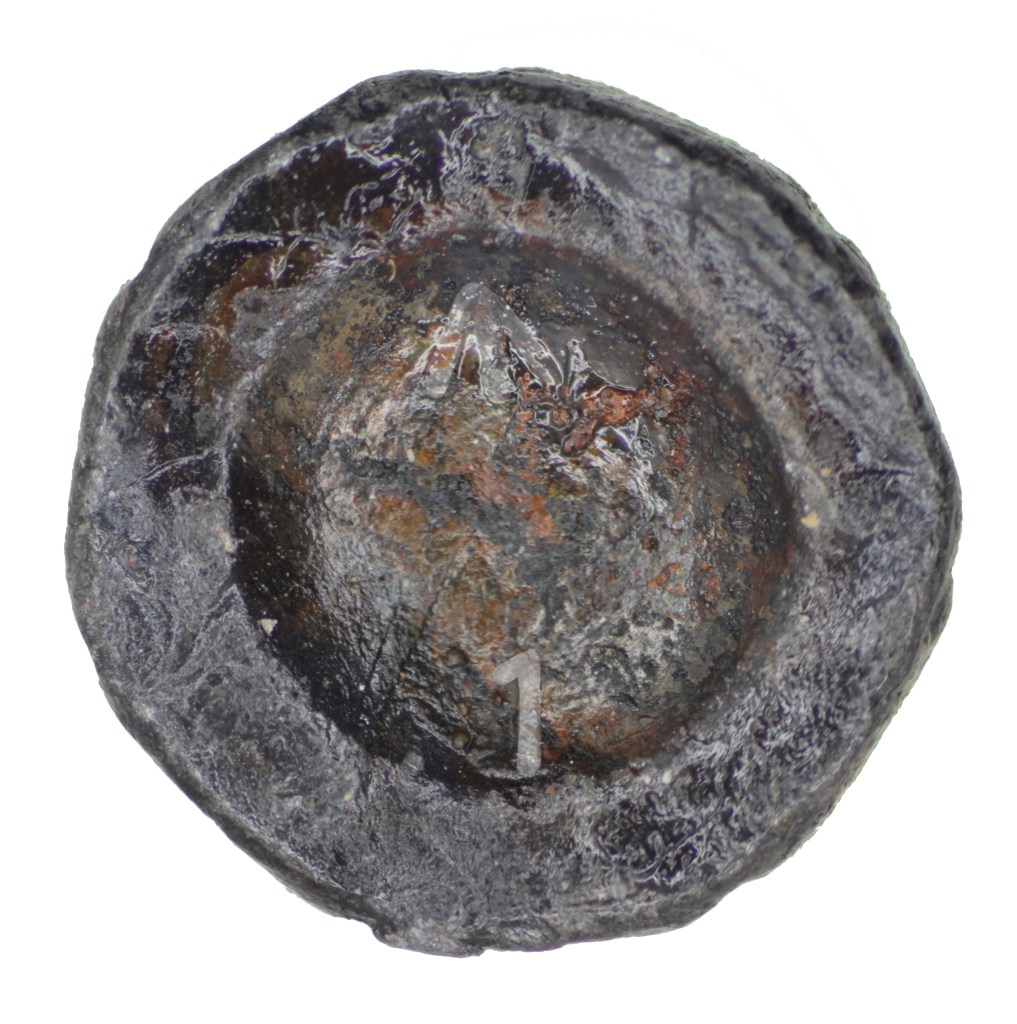
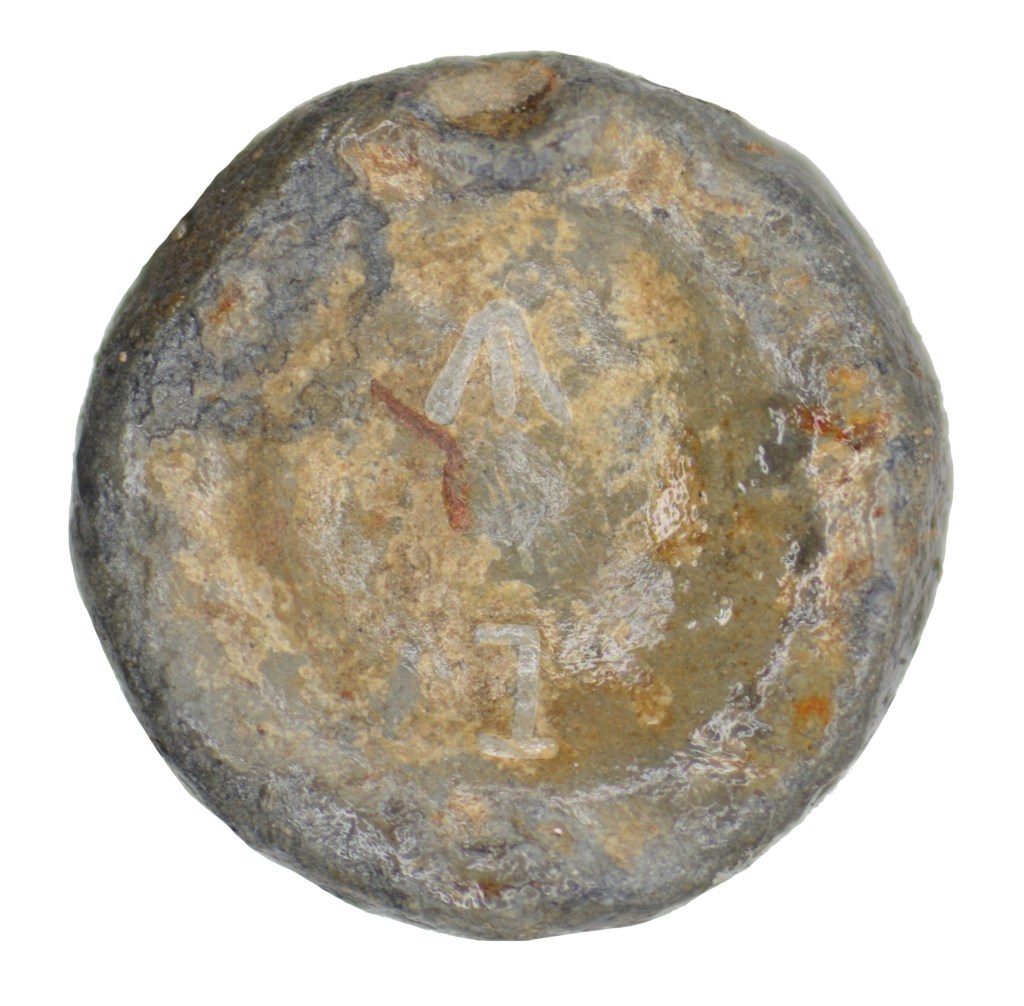
Stamp 2
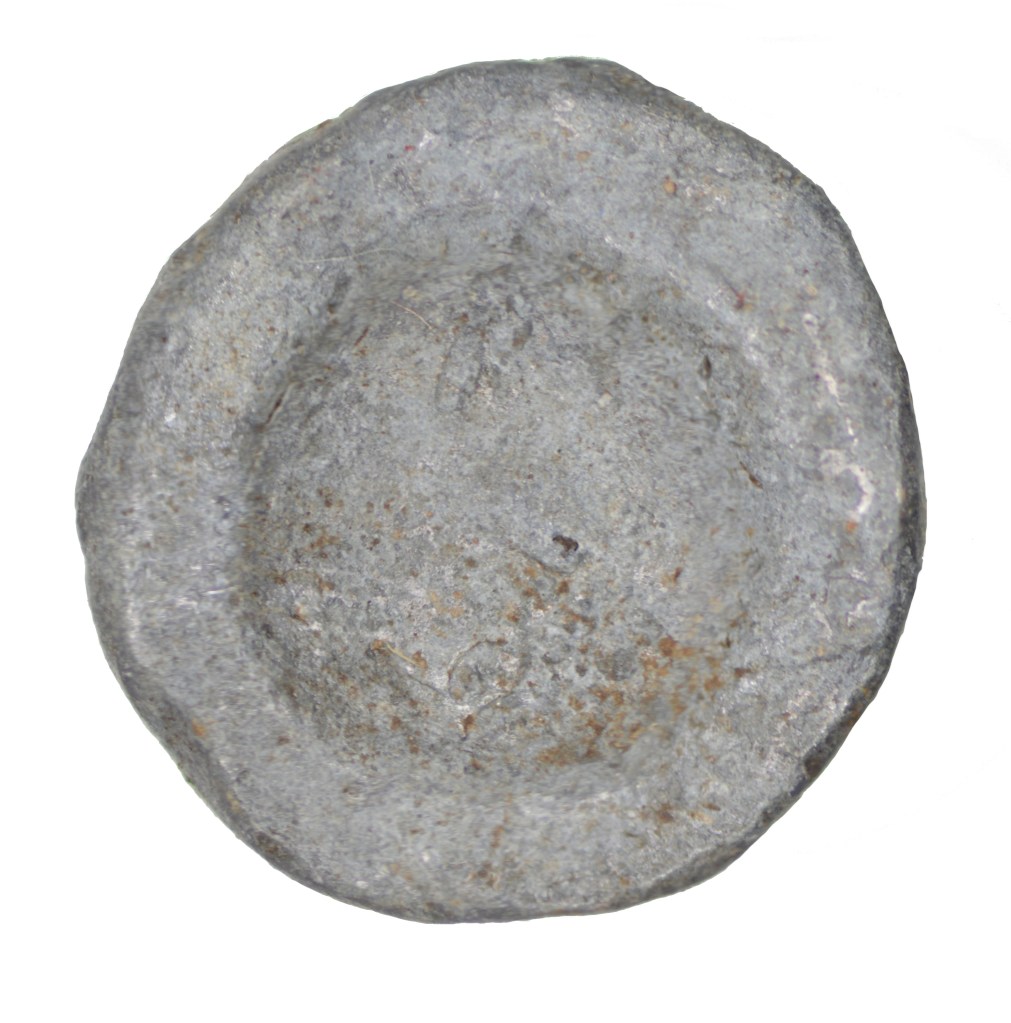
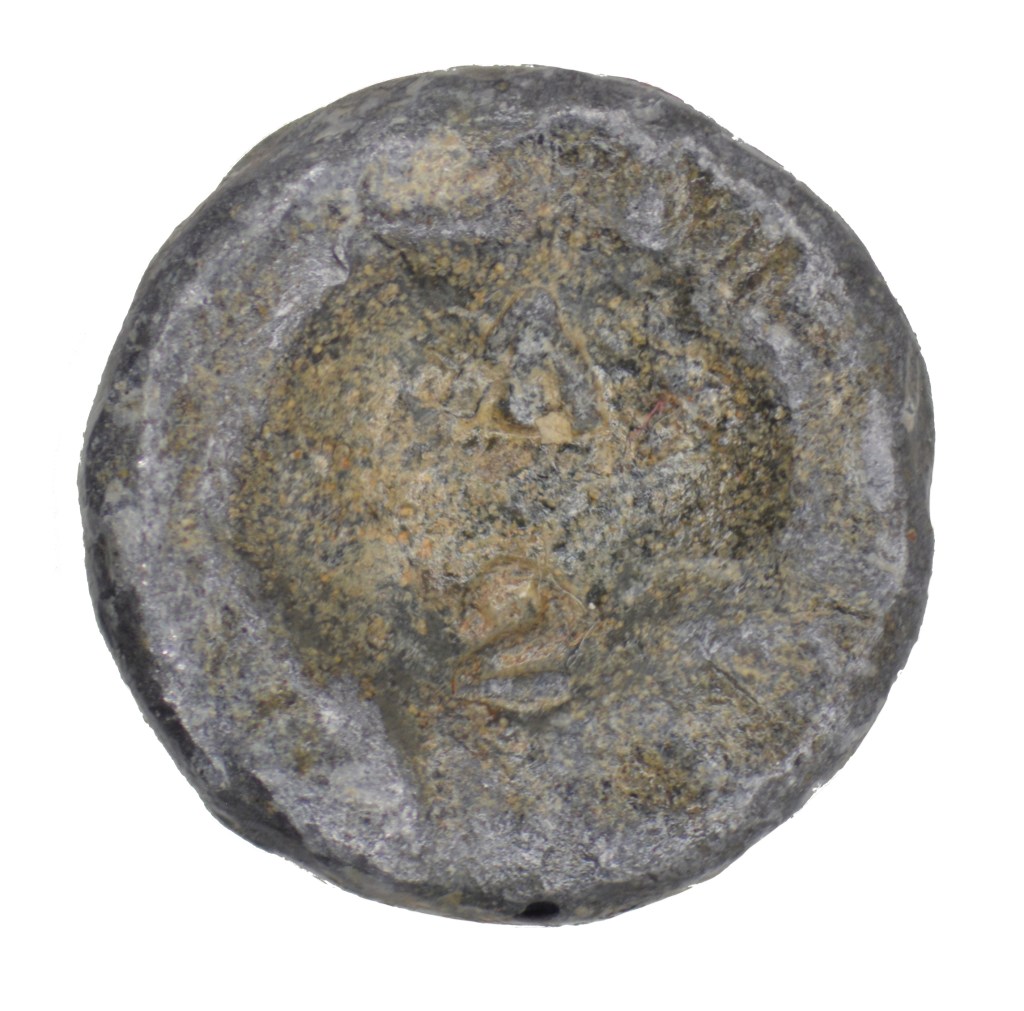
Stamp 3
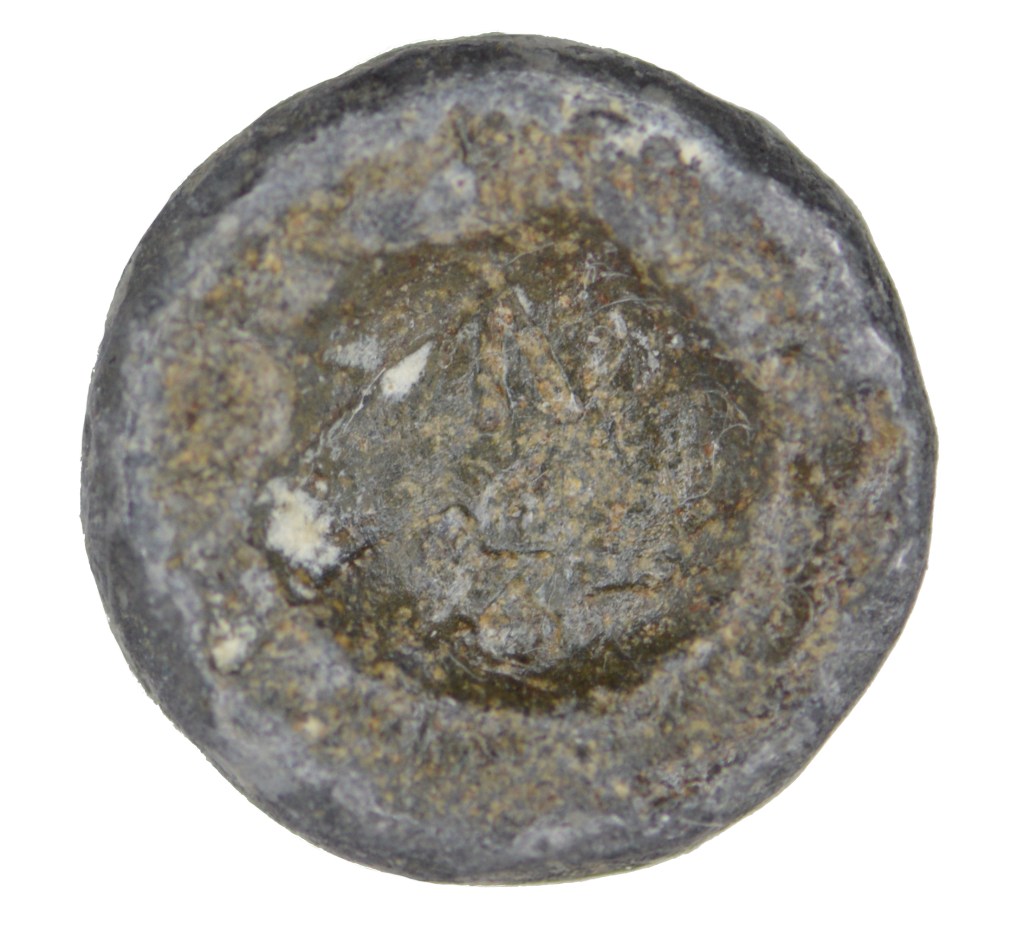
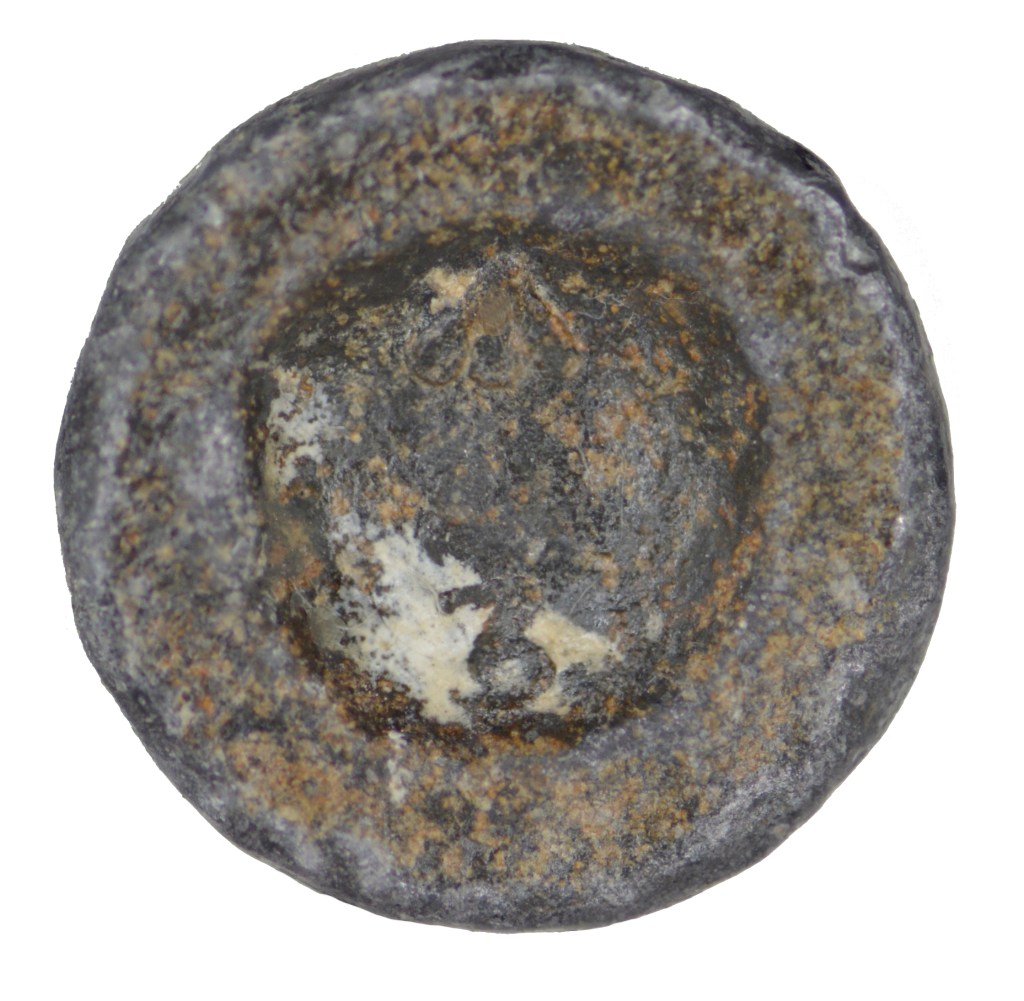
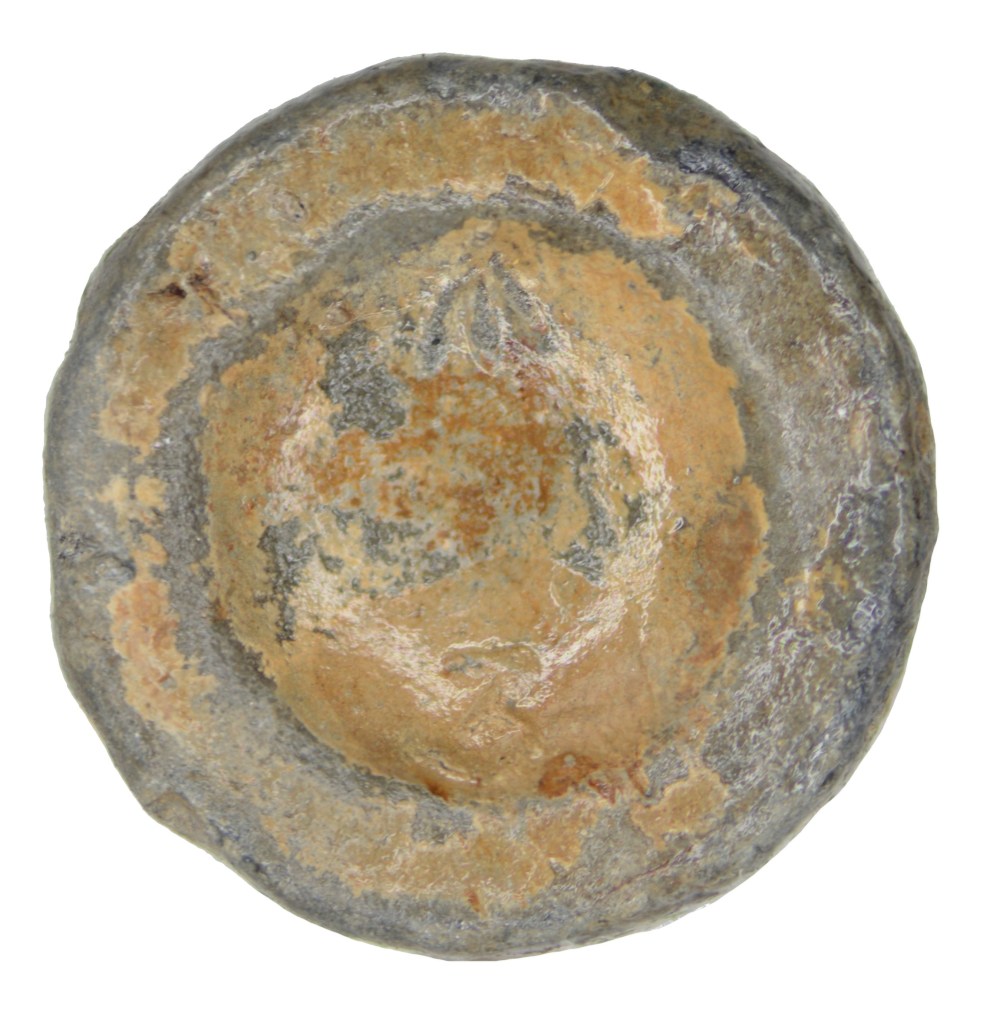
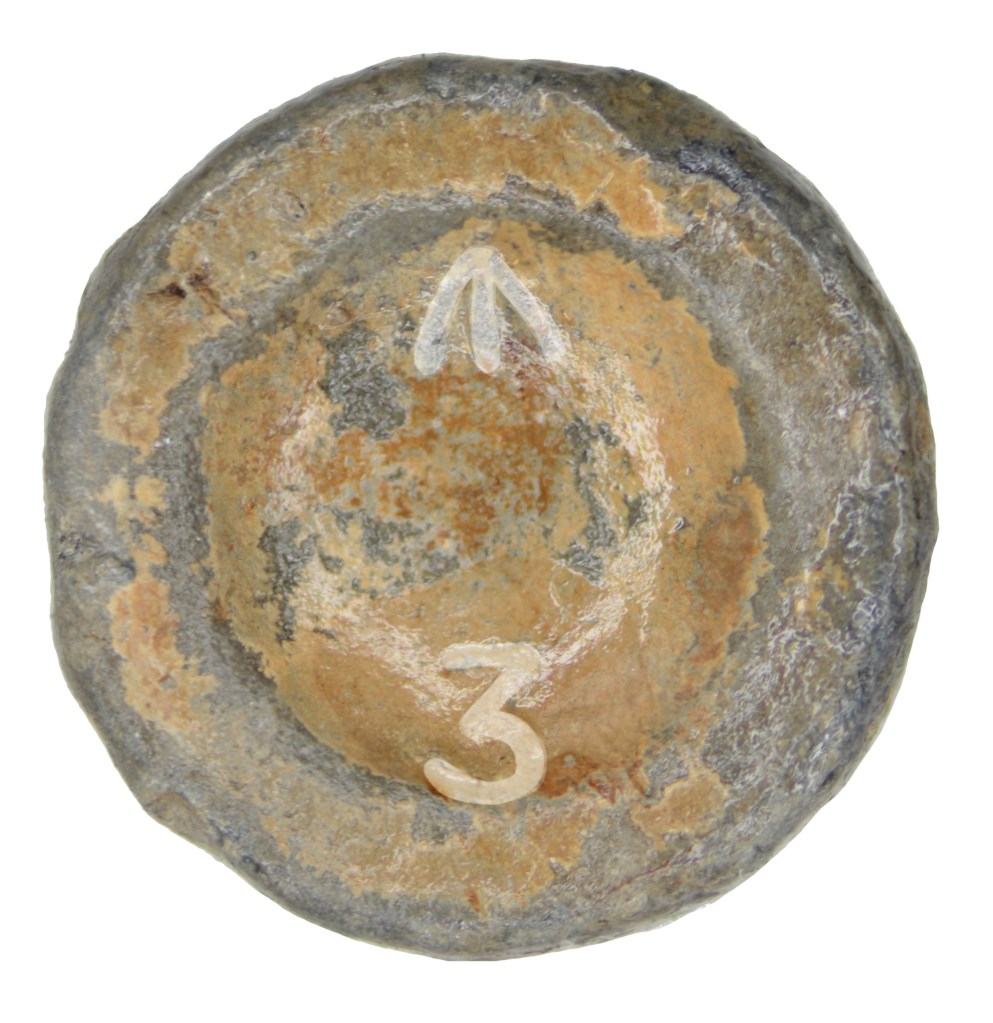
Stamp 4
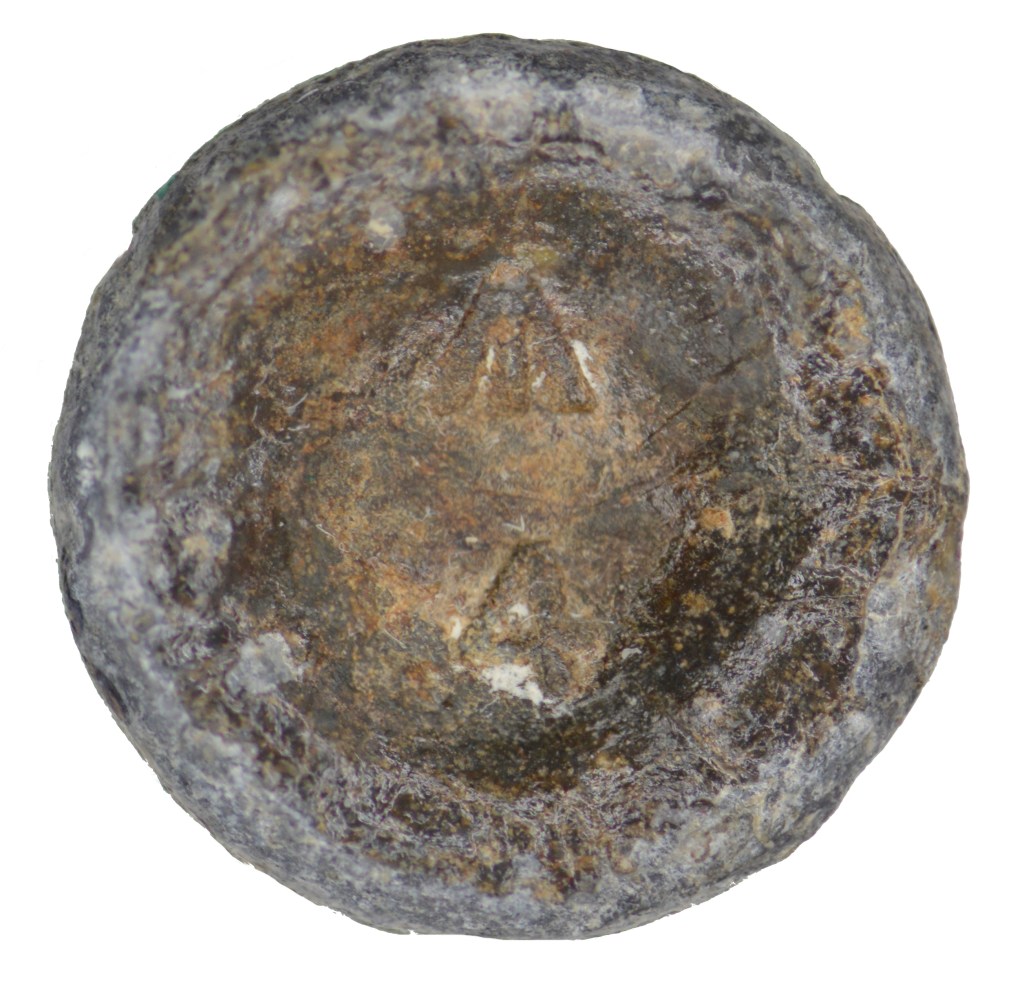
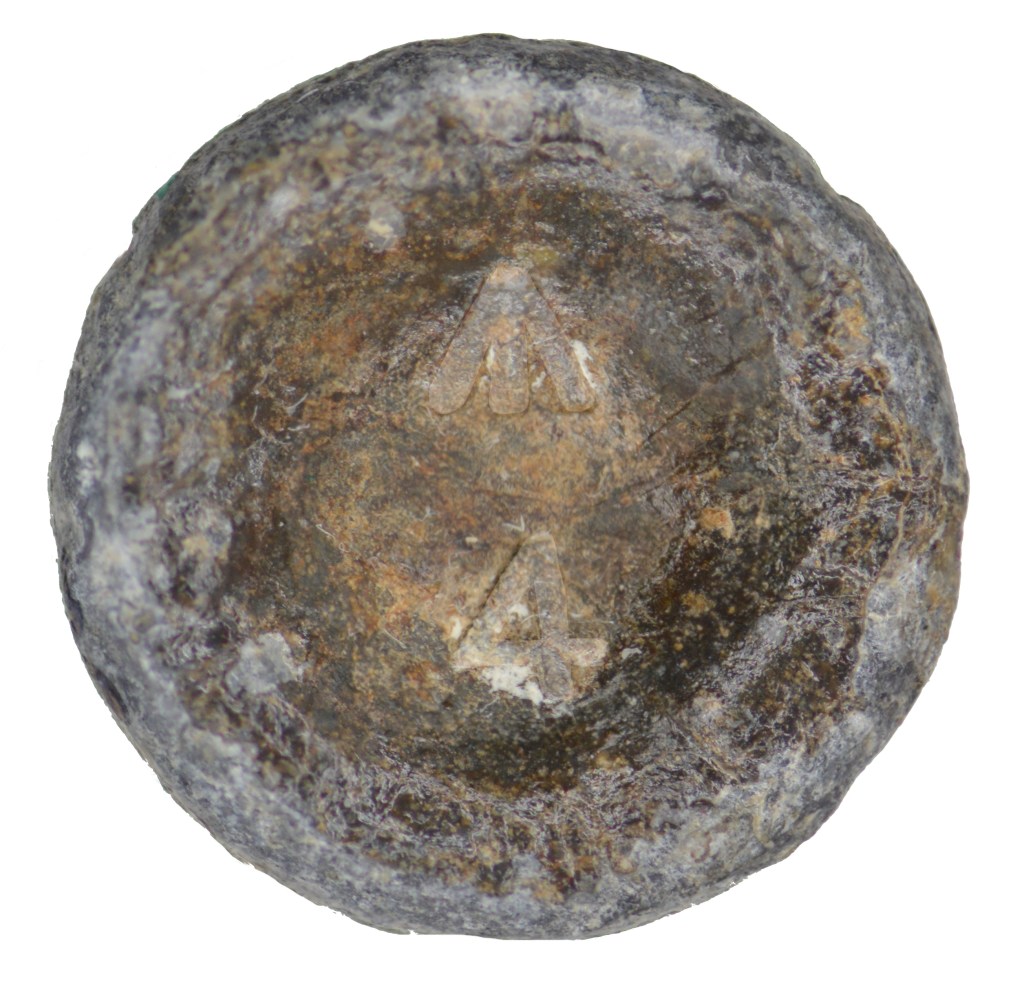
Stamp 7
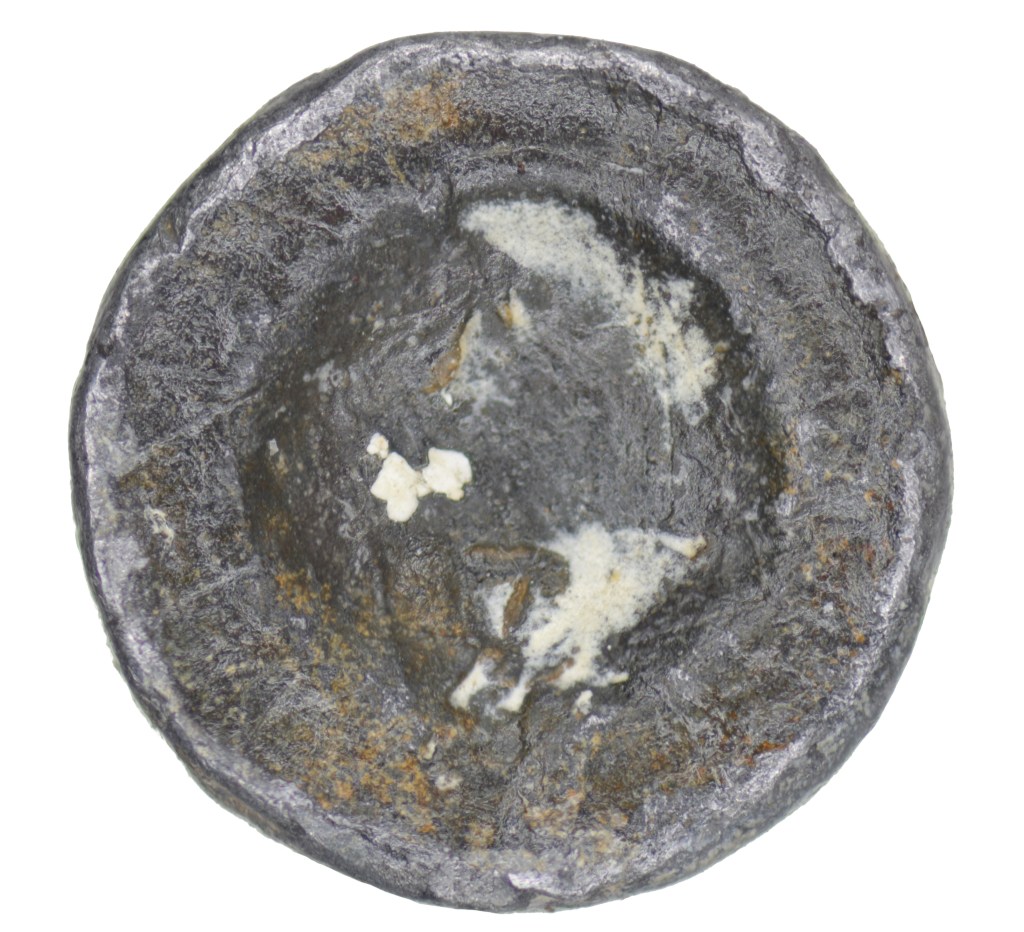
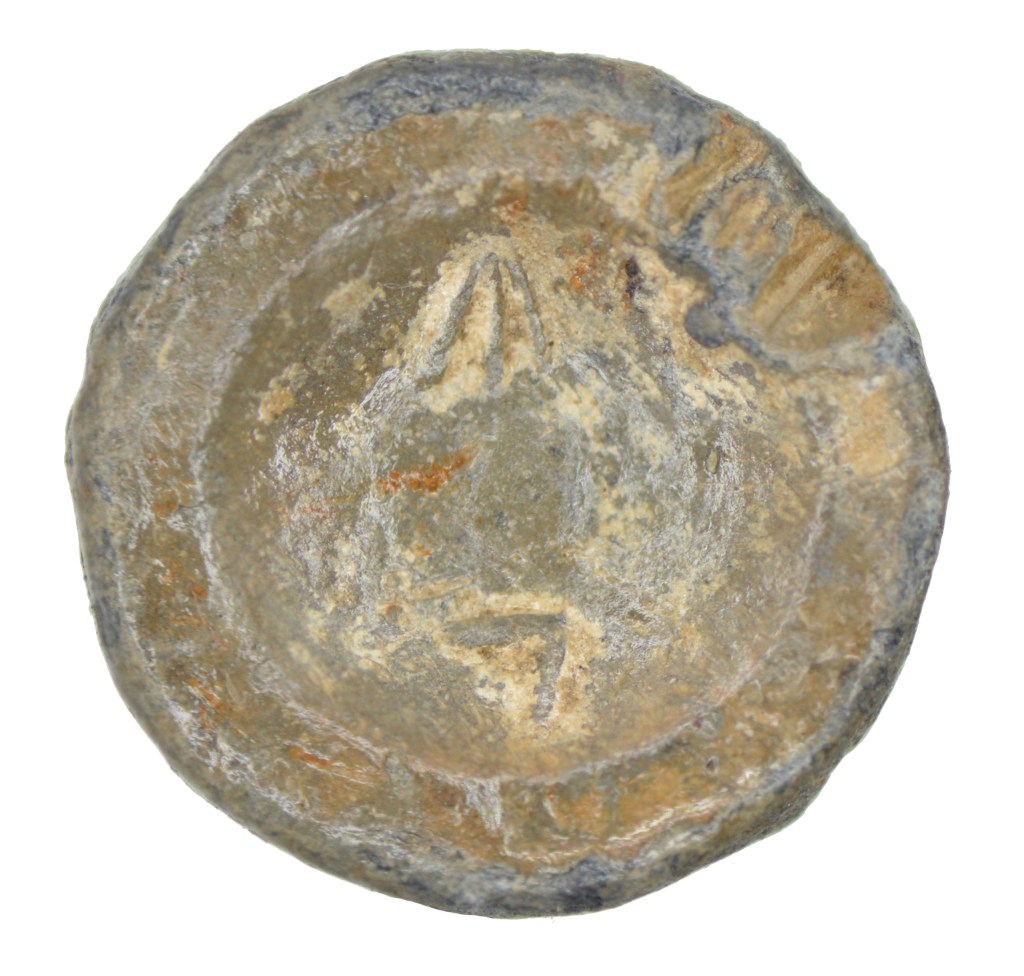
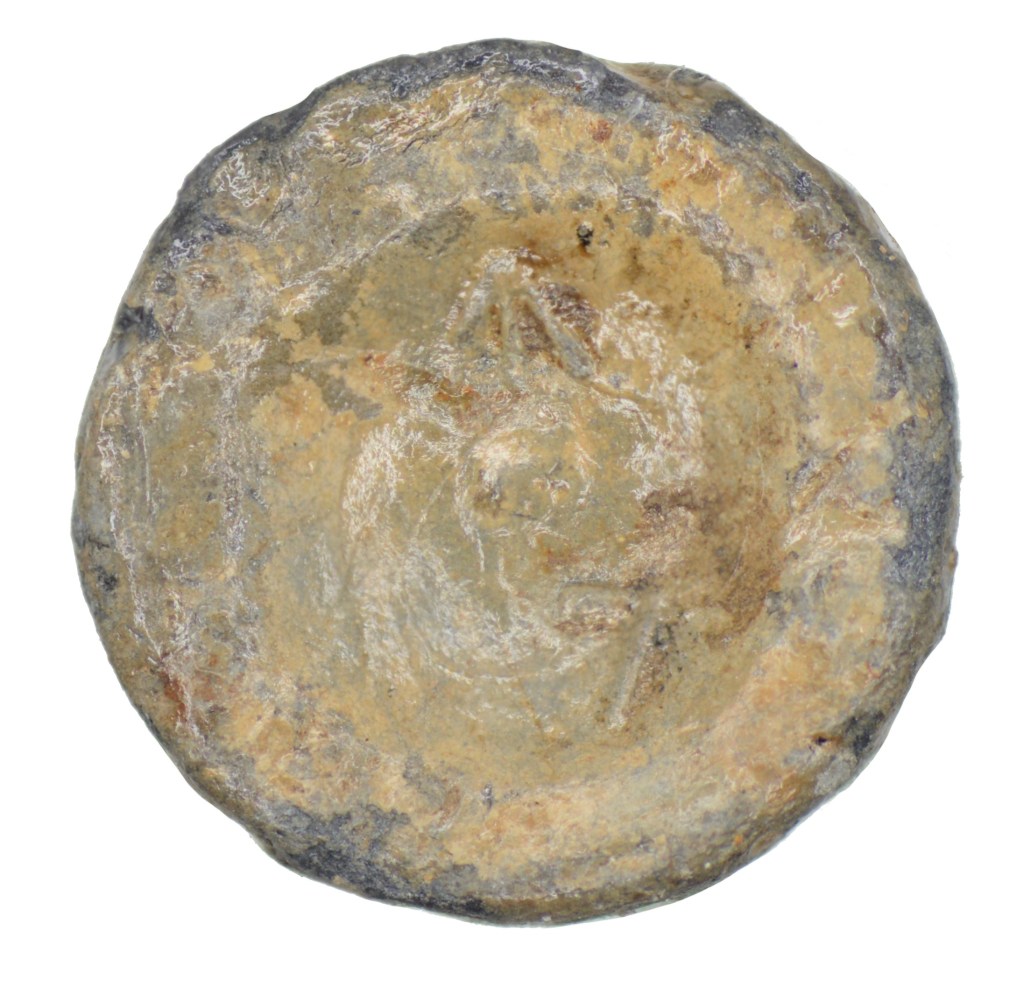
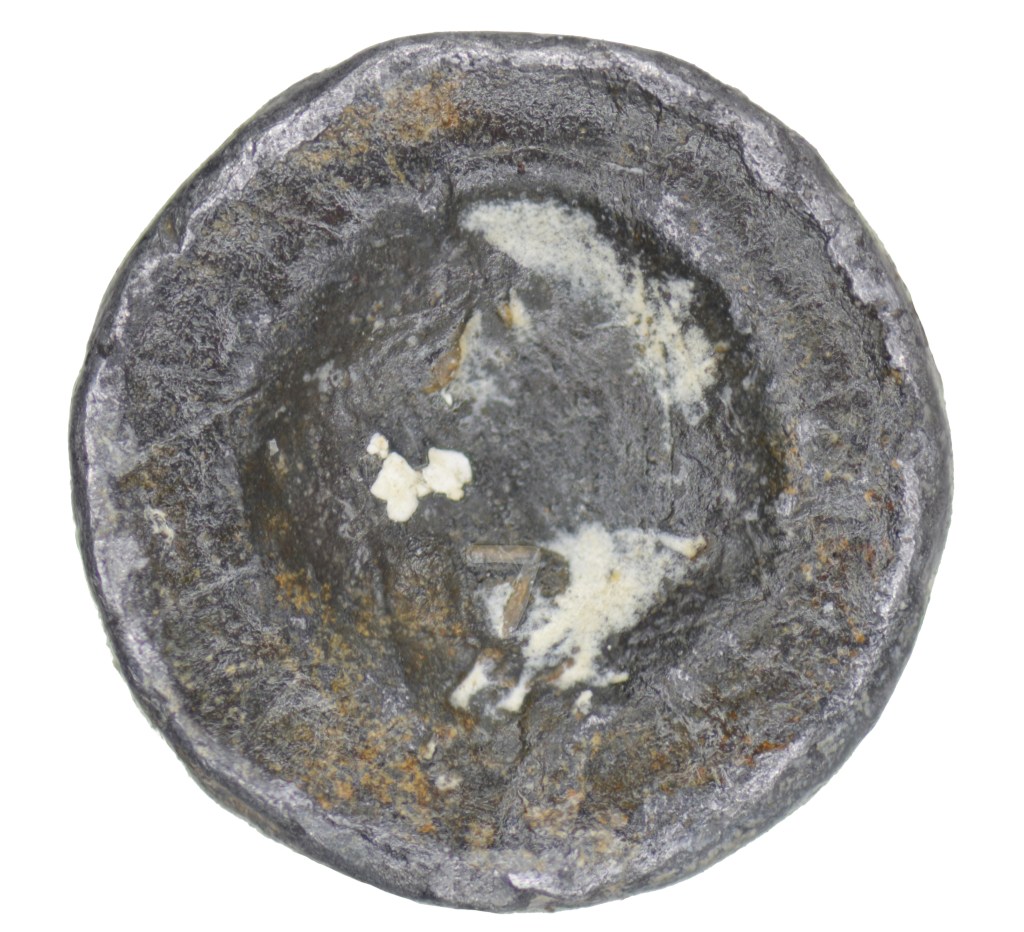
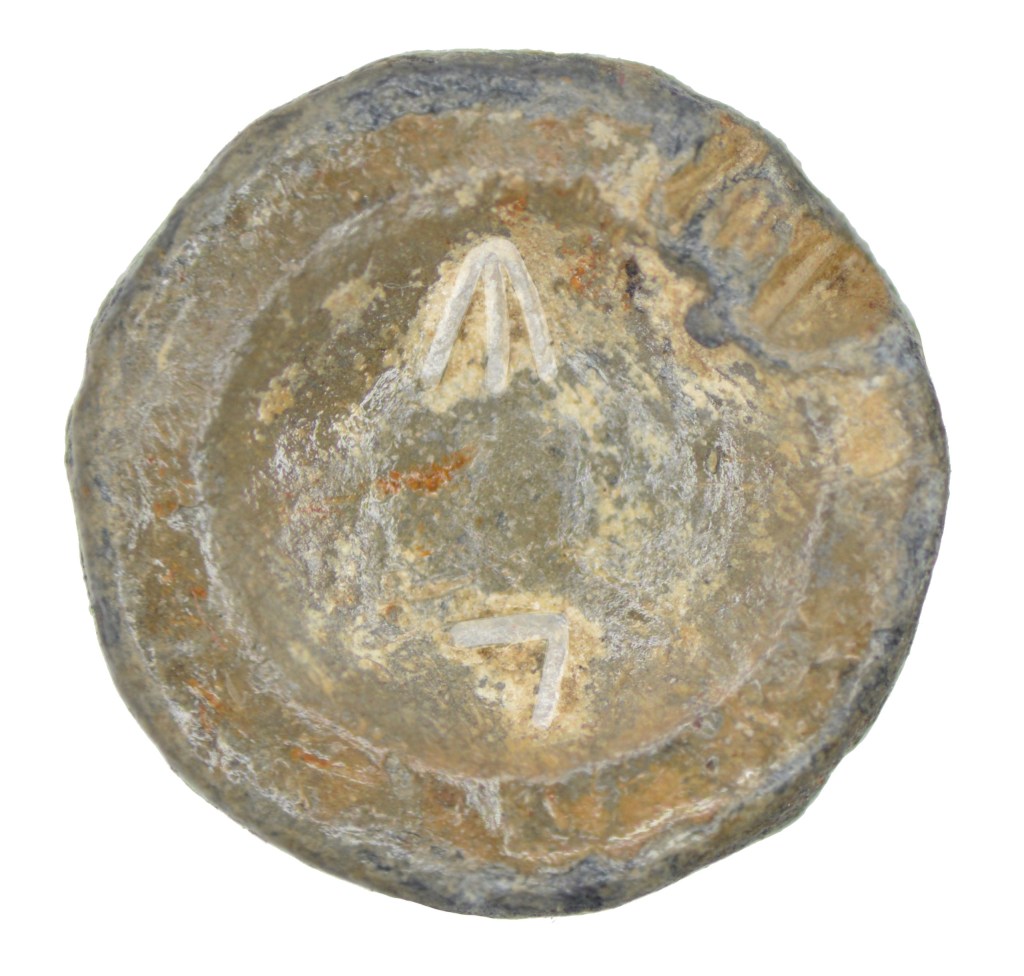
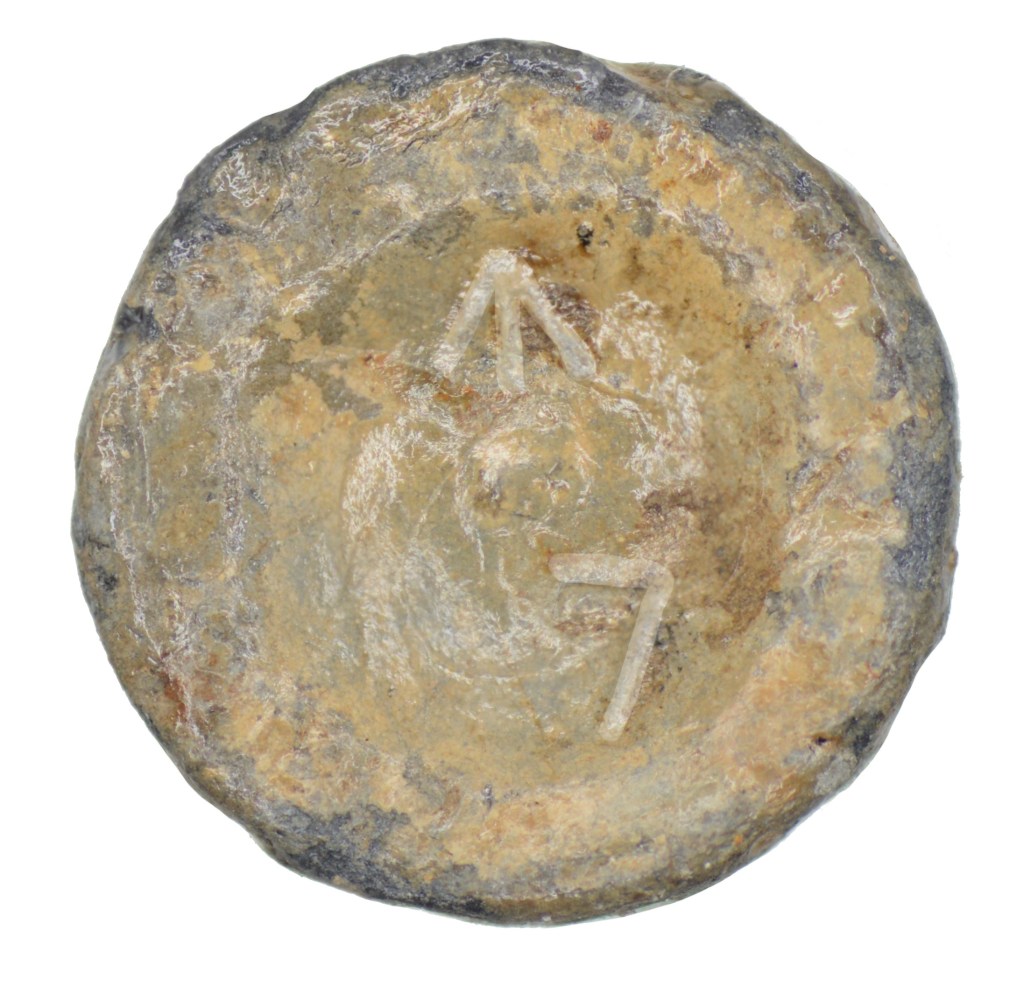
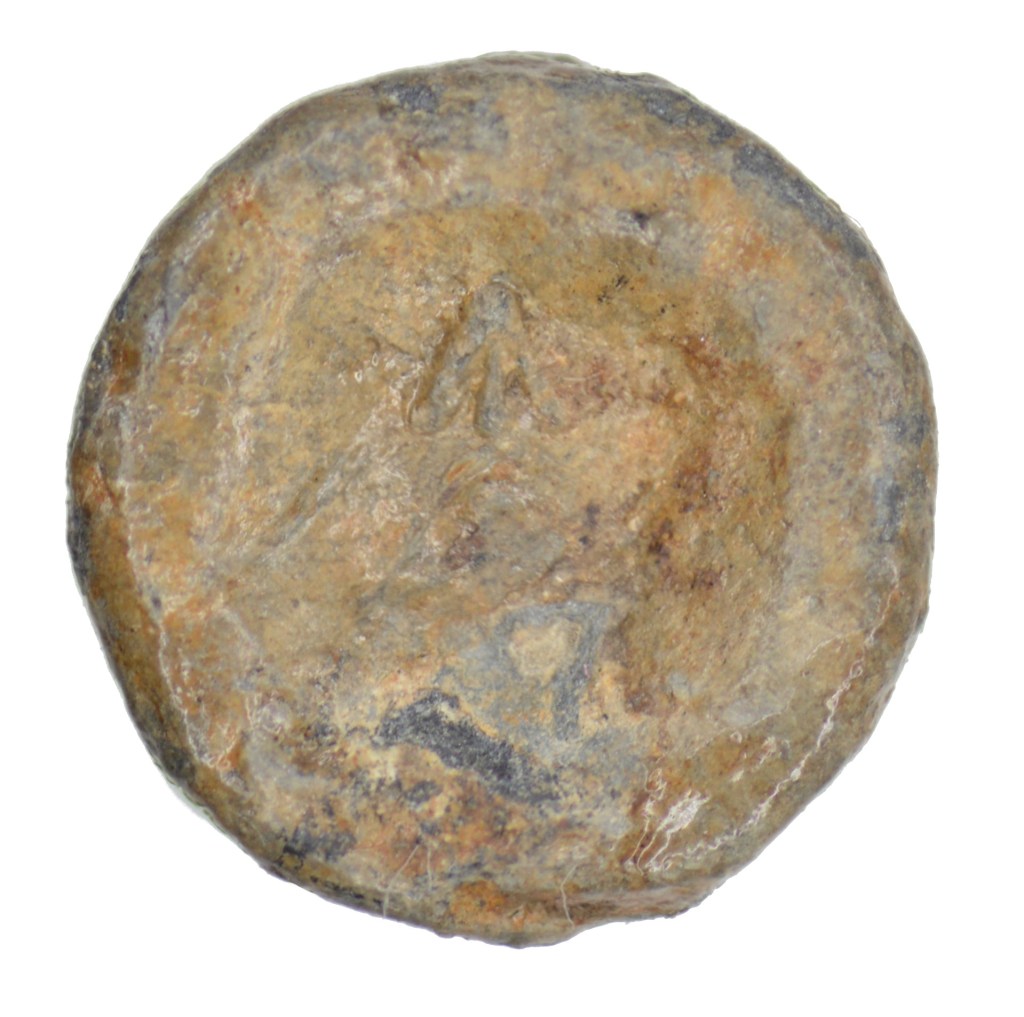
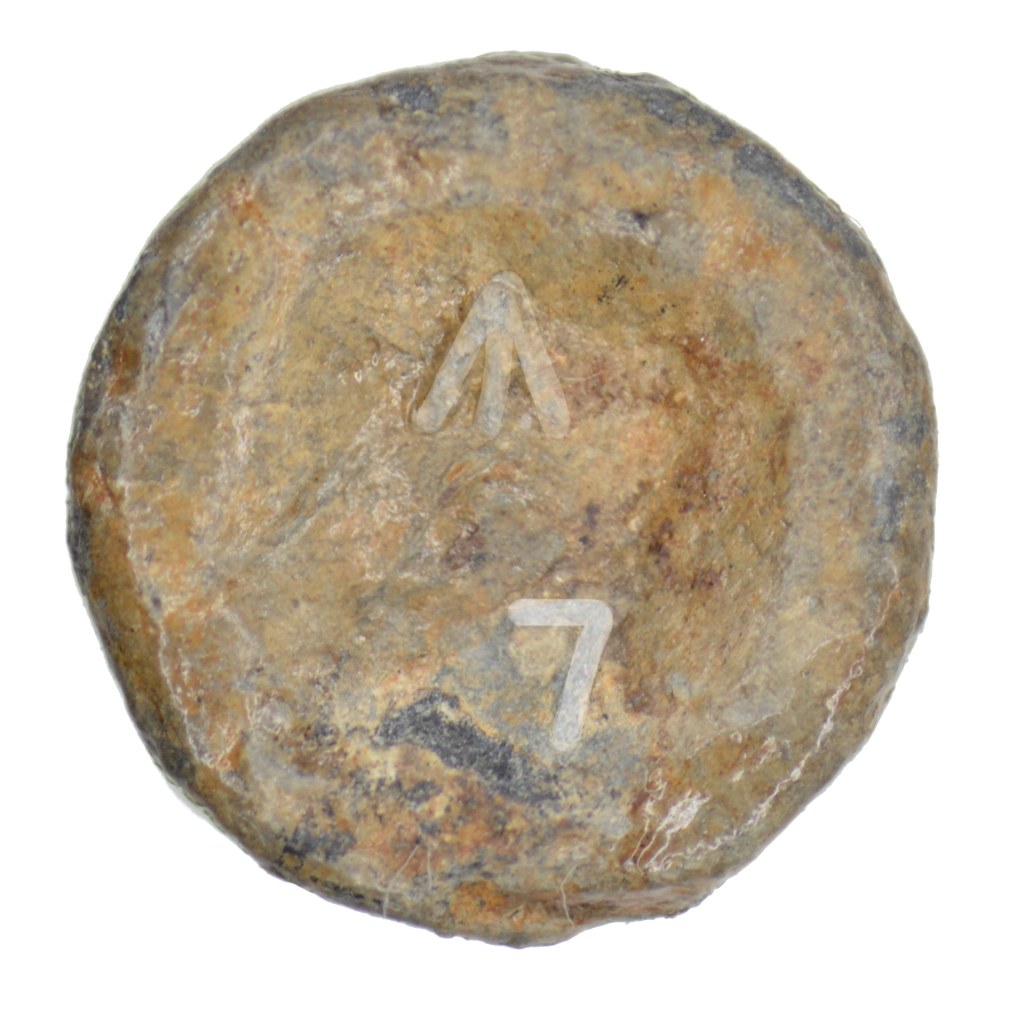
Stamp 9
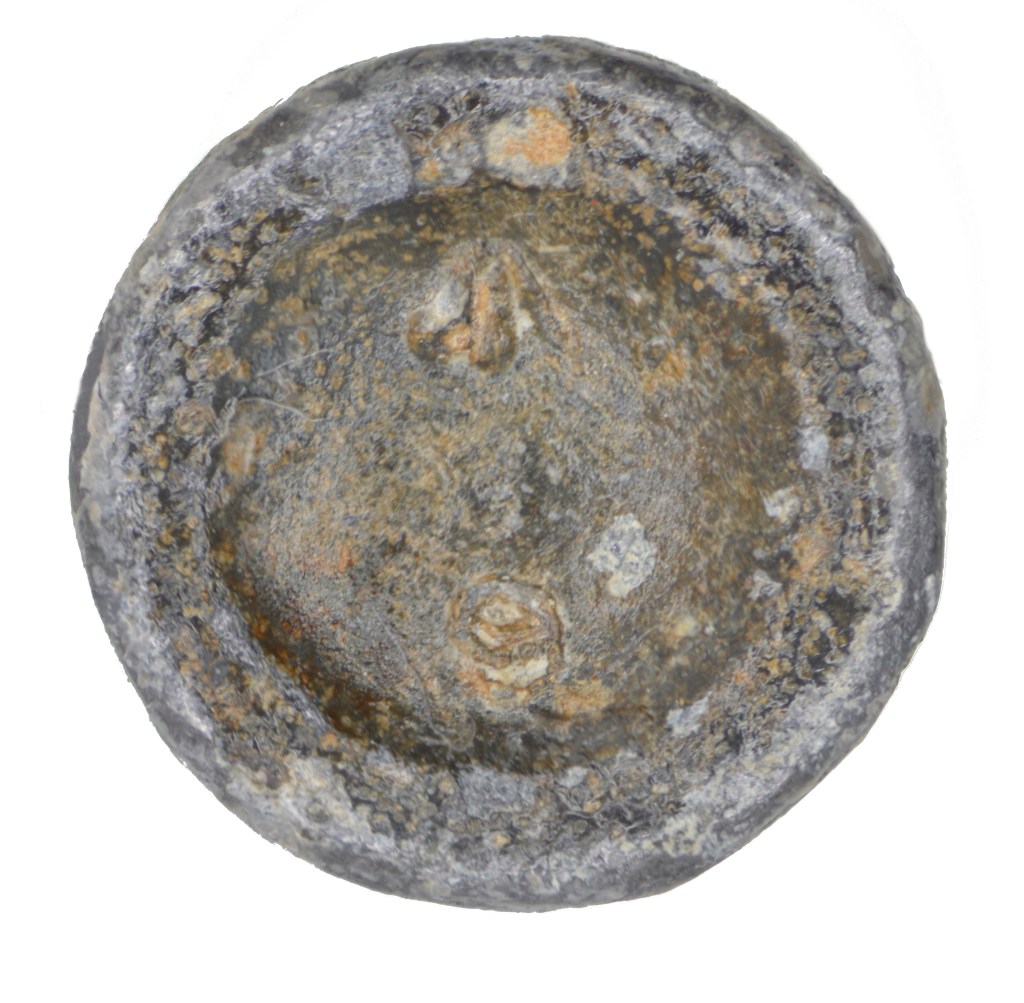
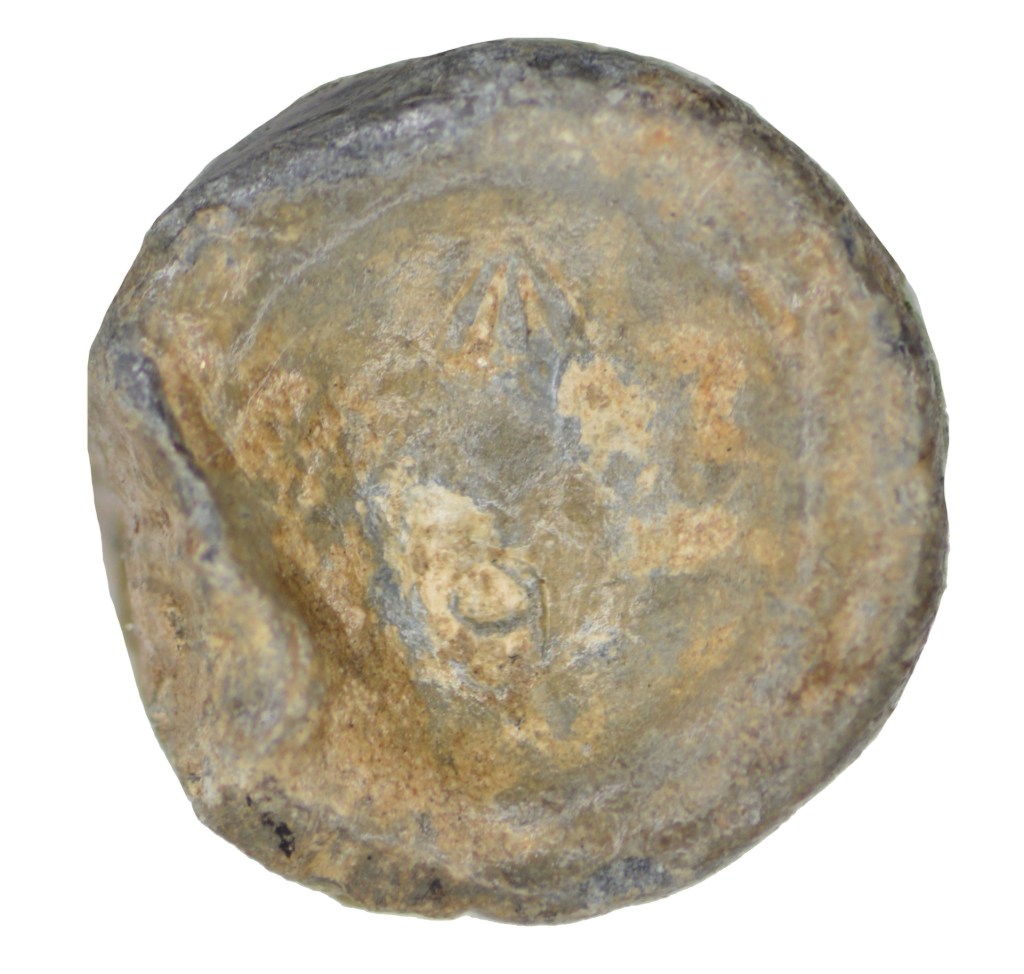
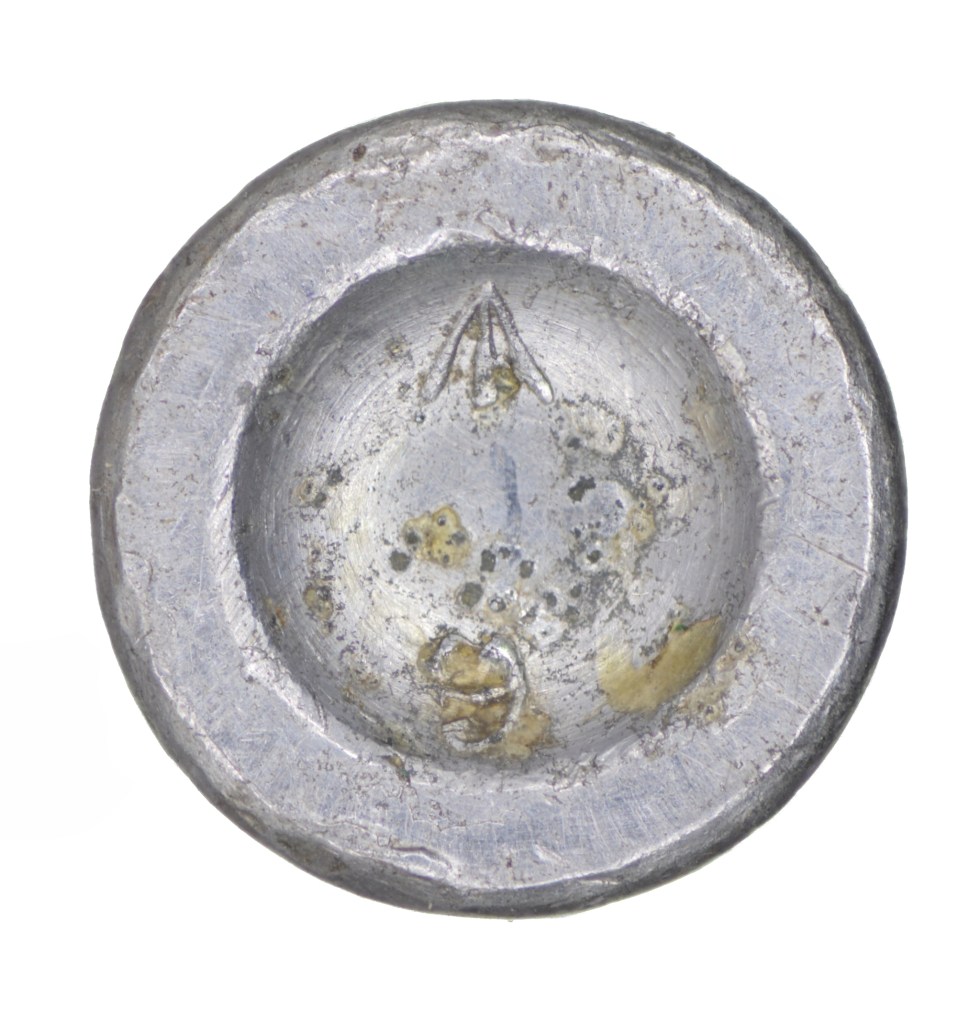
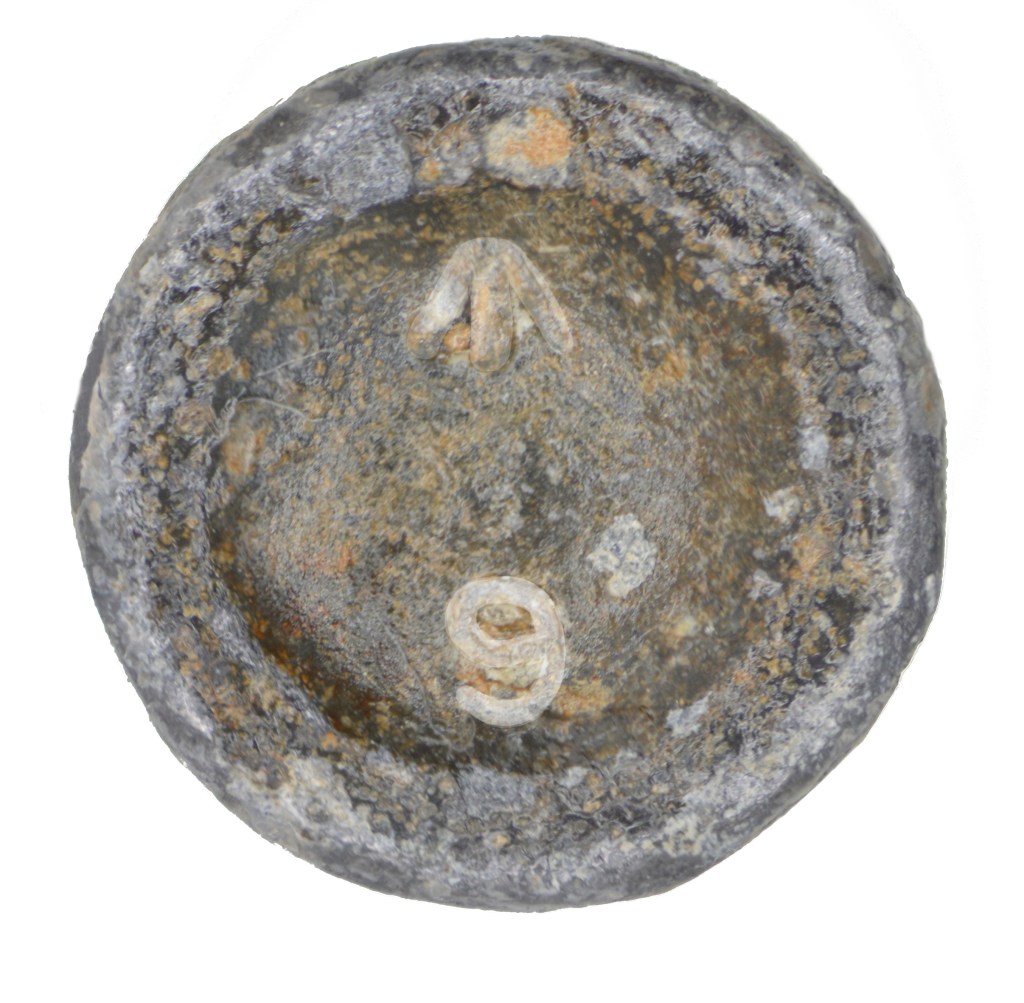
The example on the far right is unfired and was not recovered archaeologically.
Broad arrow only
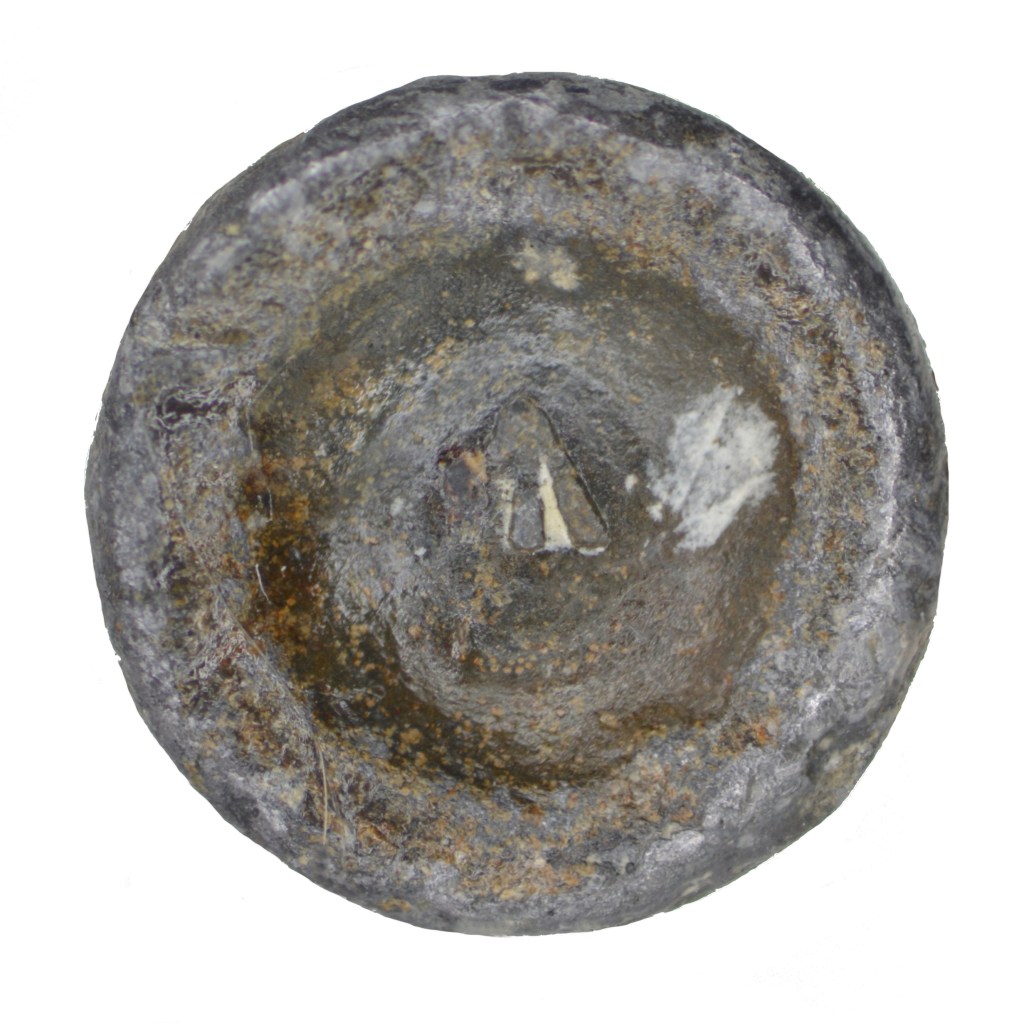
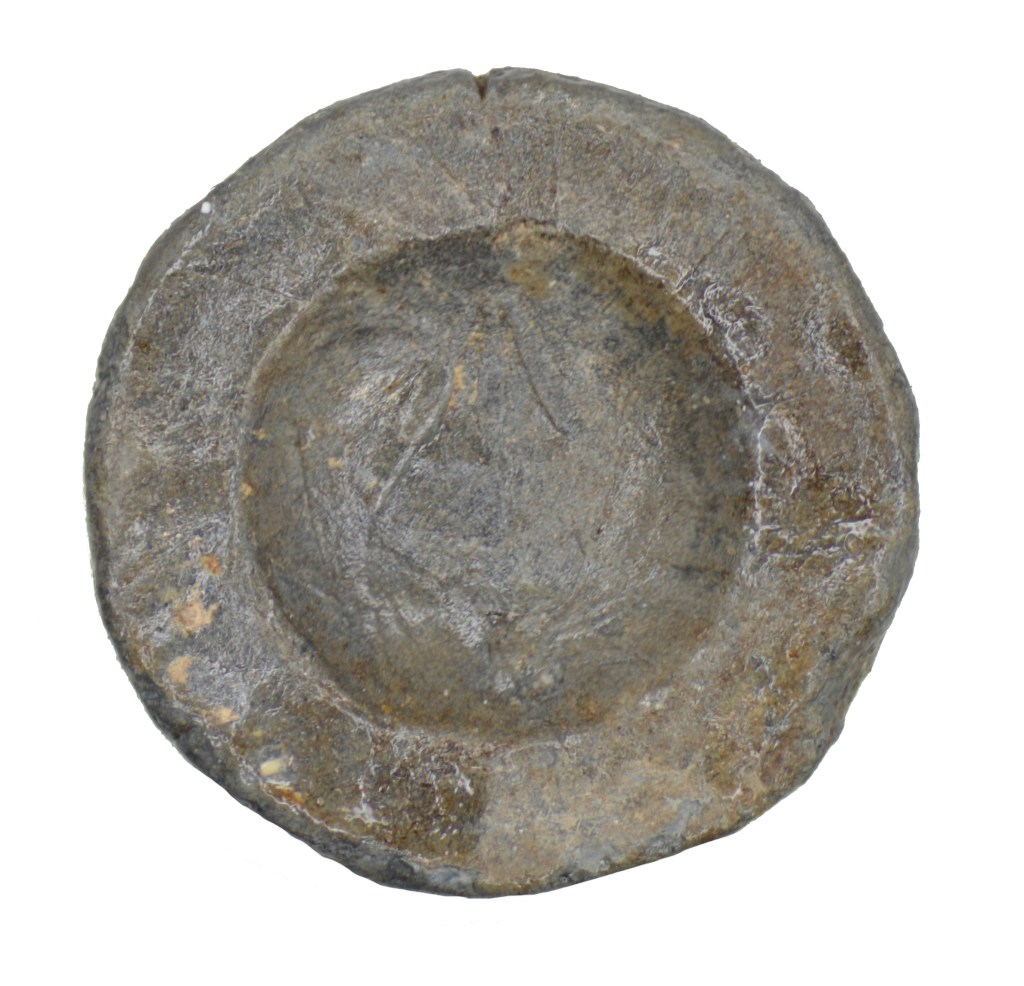
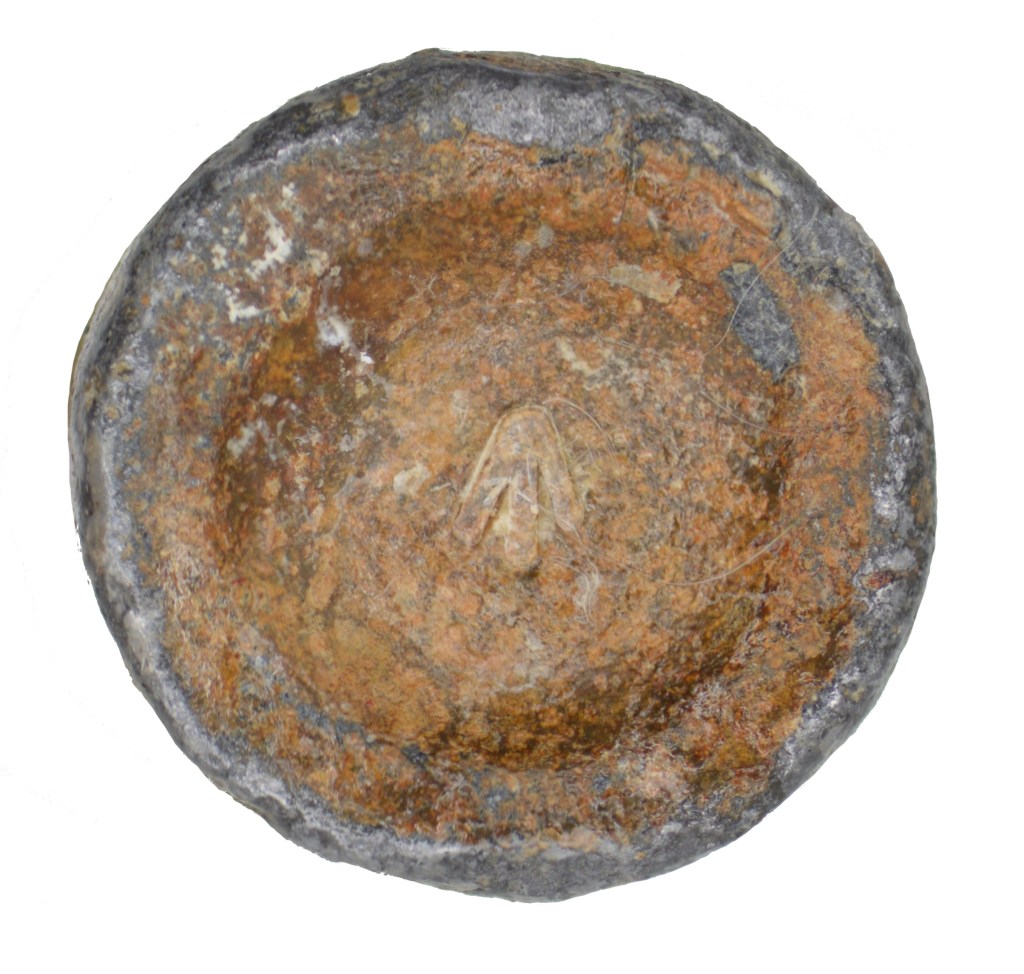
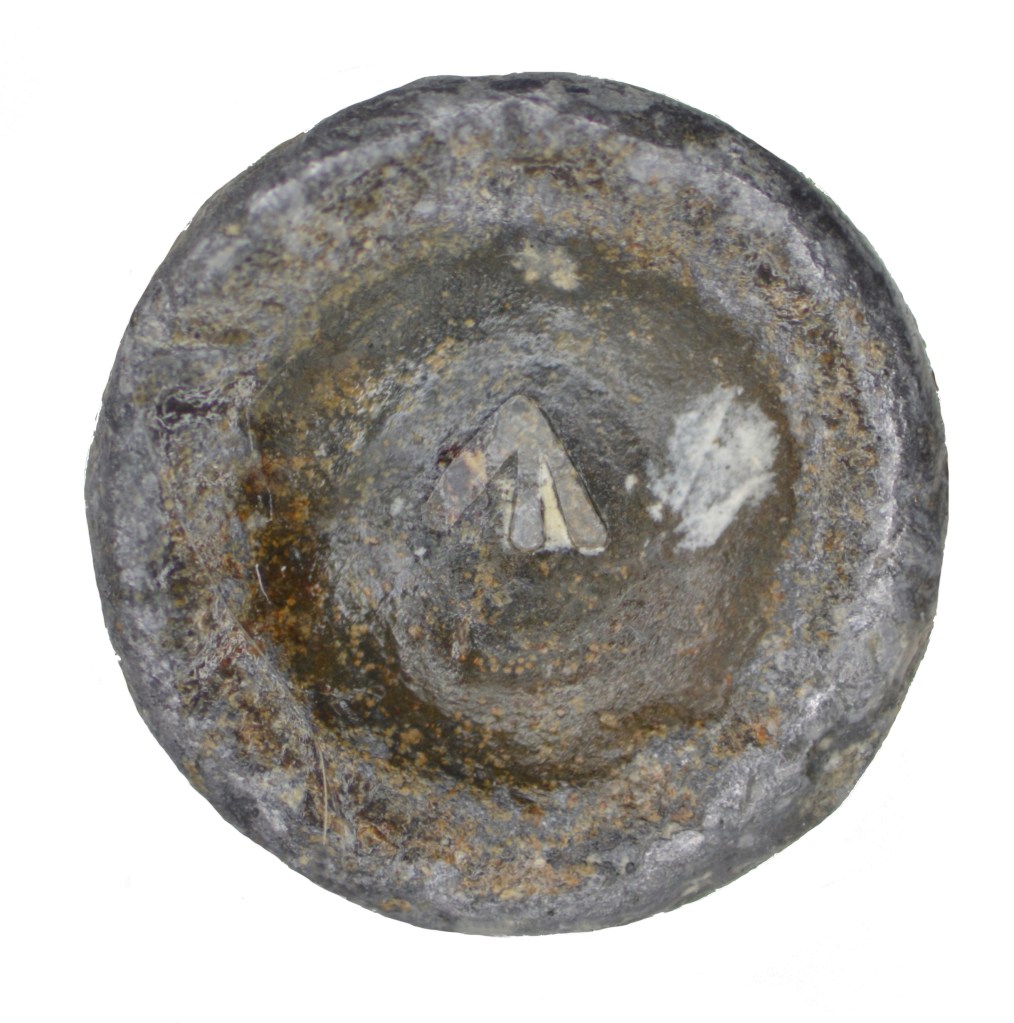
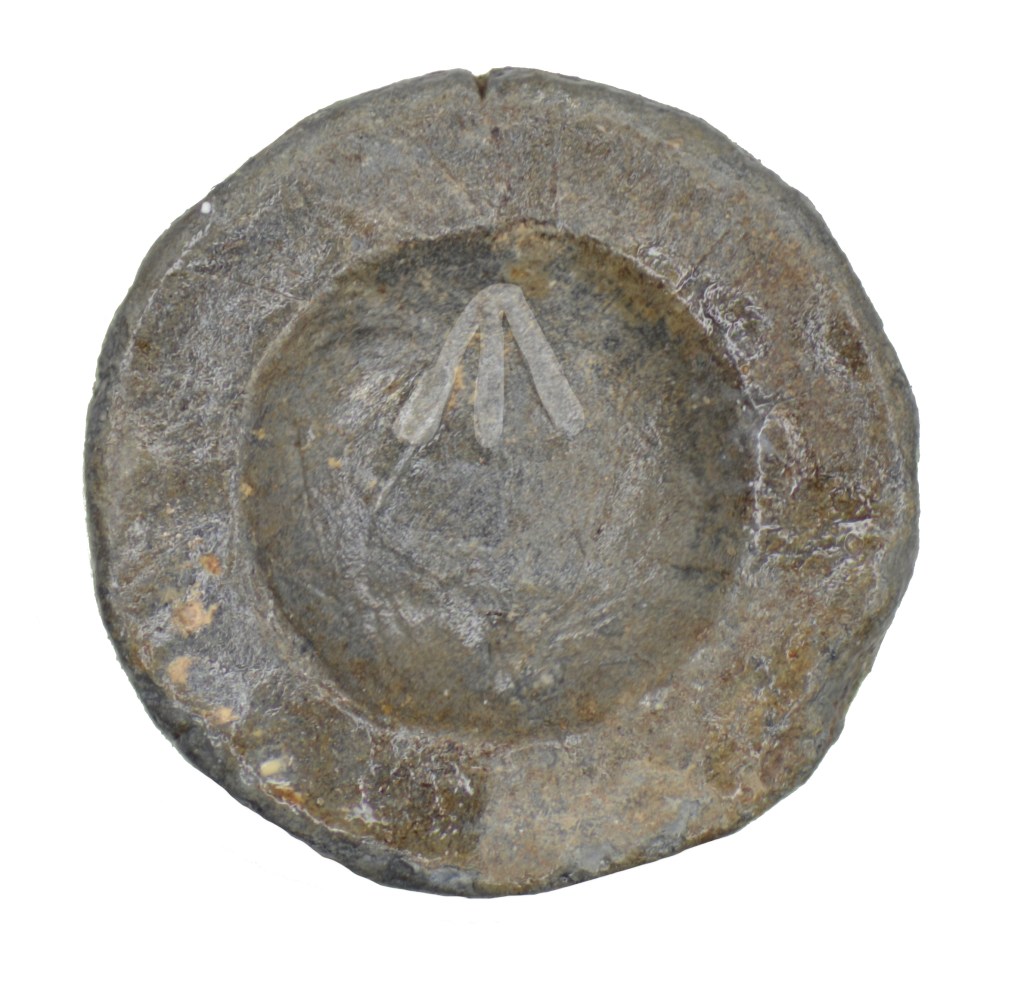
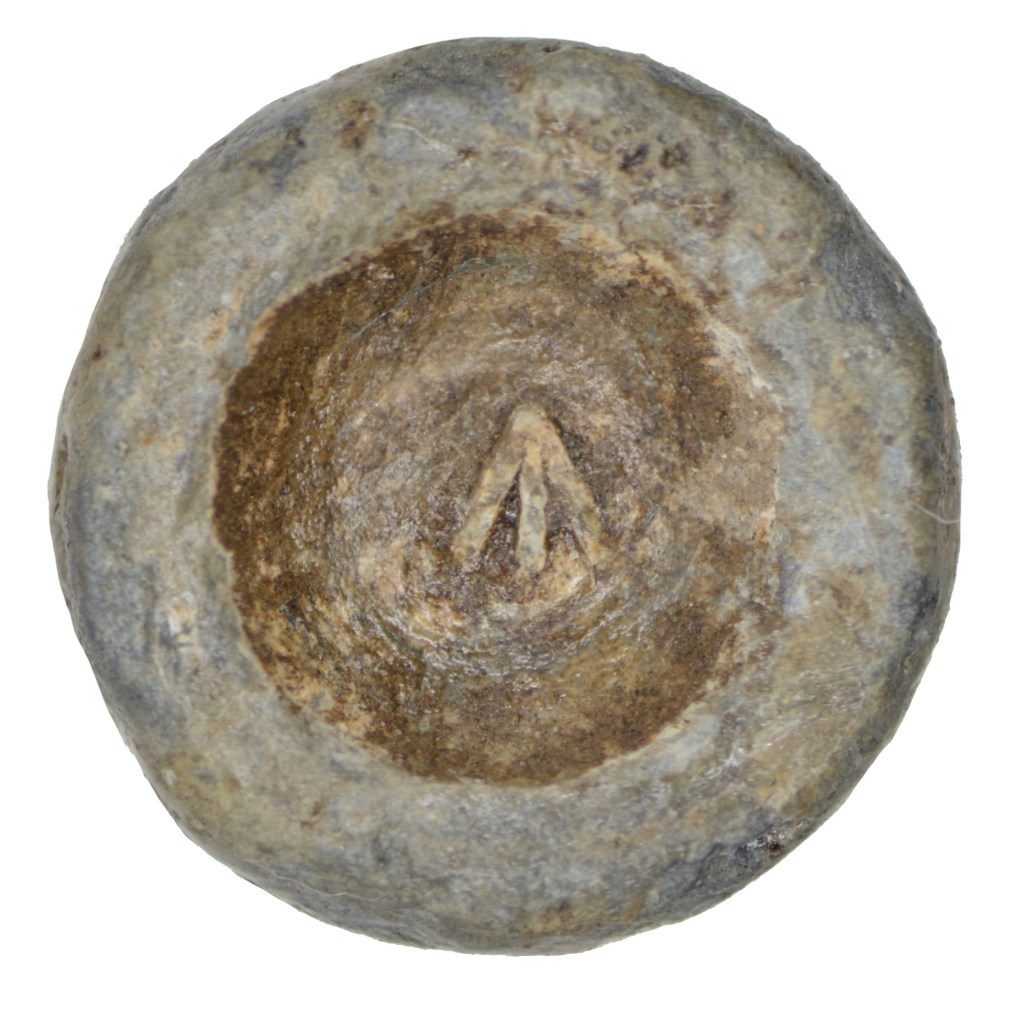
Raised dot
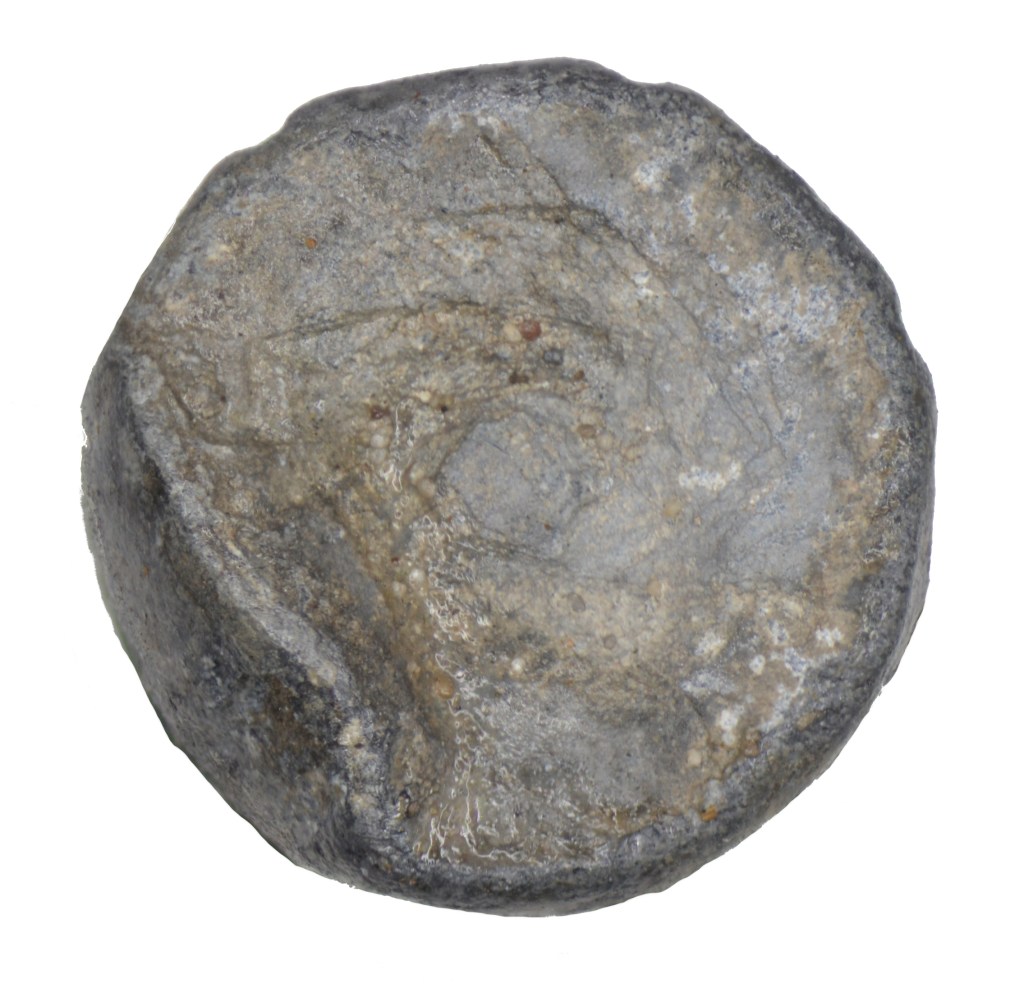
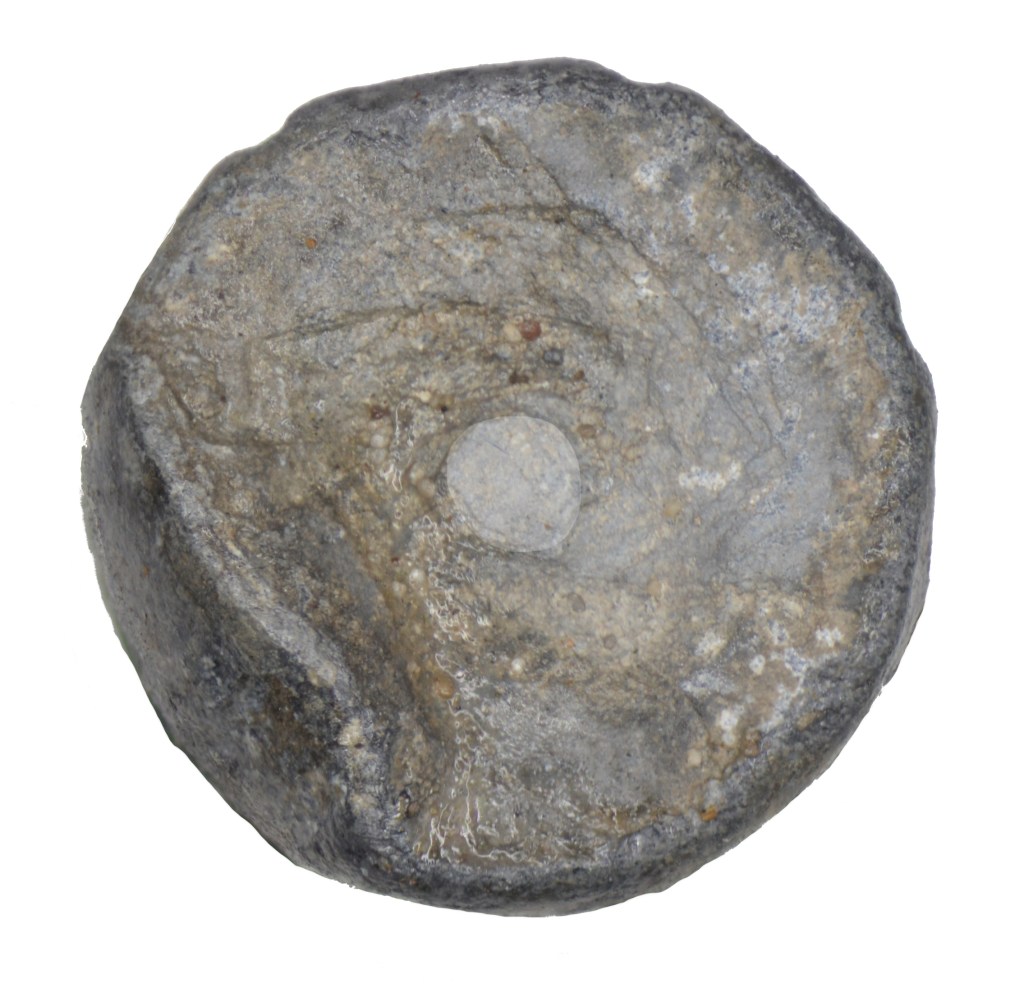
If this is an intentional stamp at all, it seems likely to be a commercially produced bullet.
mark 4 (1874) and carbine mark 1 (1877), 2 (1878) and 3 (1879)
base stamps
