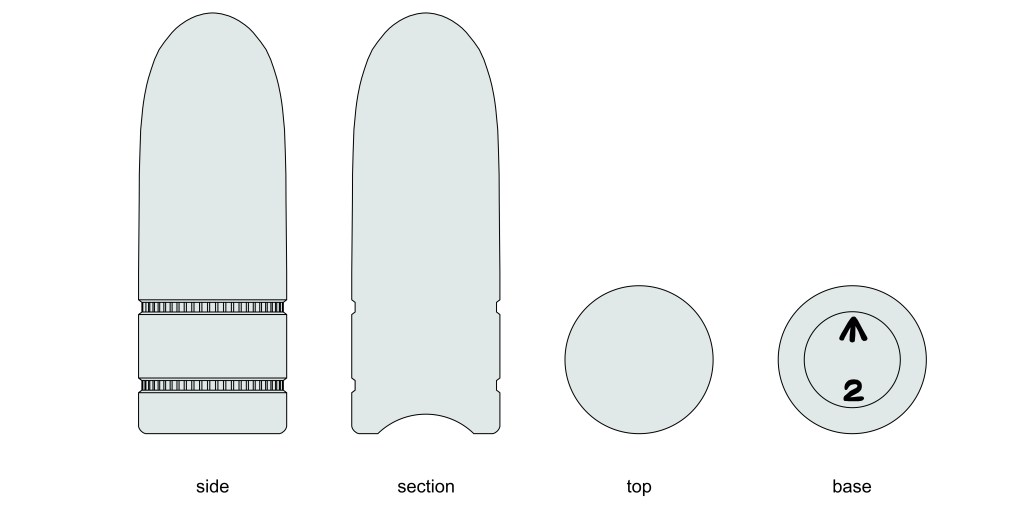
Official weight and dimensions (from The Boxer Cartridge in the British Service by B. A. Temple):
- Weight: 480 gn (31.1 g)
- Diameter: 0.450 in (11.4 mm)
- Length: 1.270 in (32.2 mm)
Mark 3, unfired
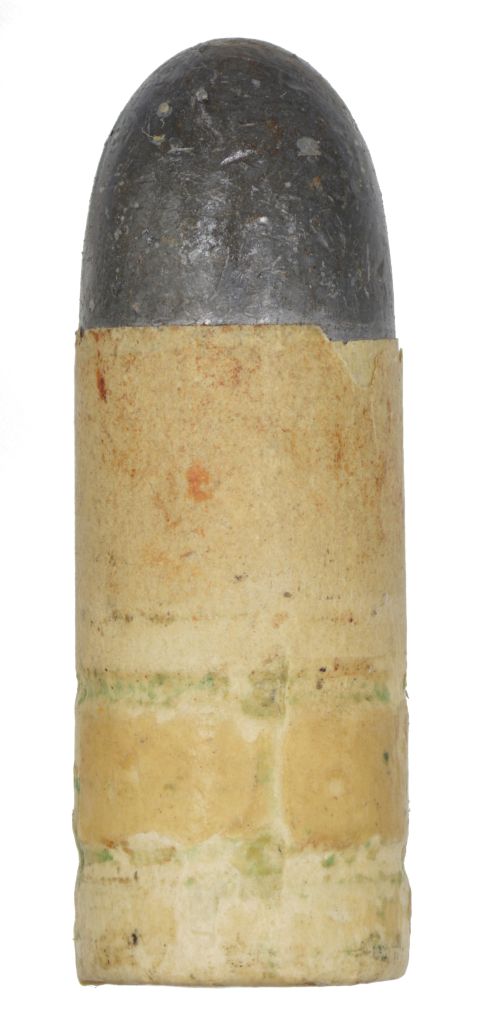
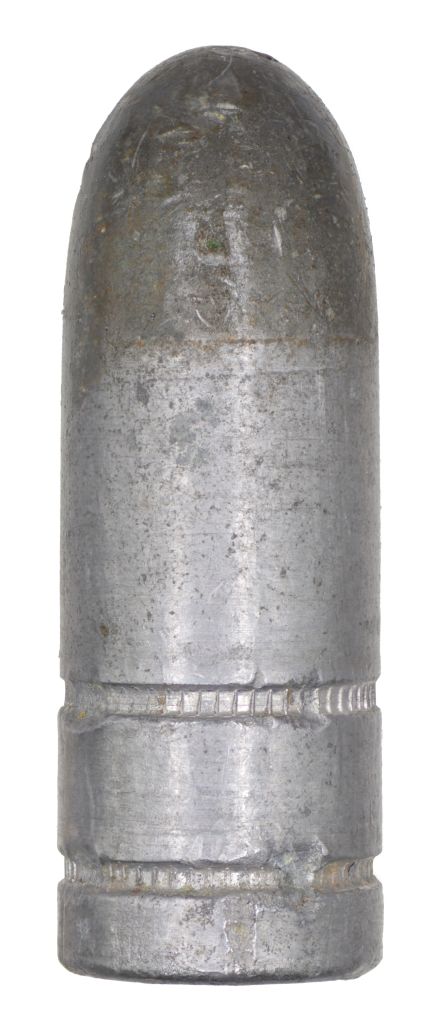
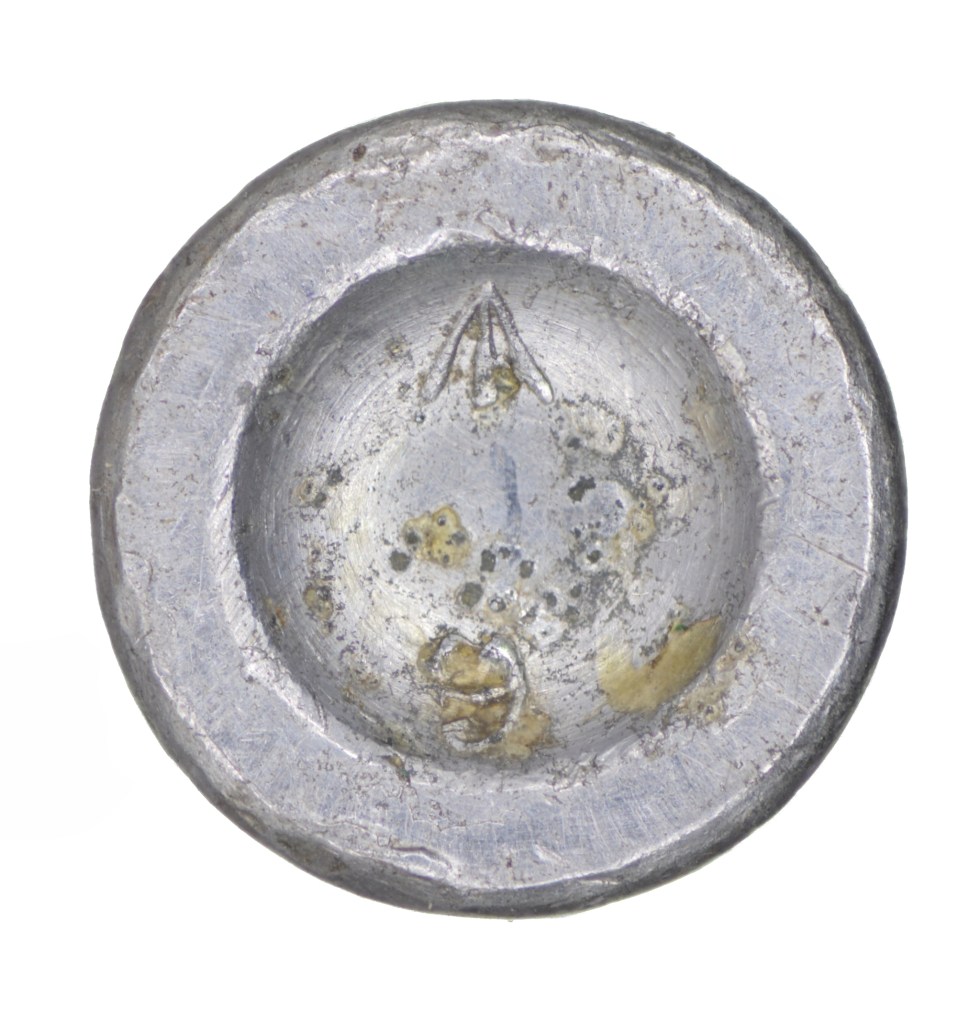
- Weight with patch: 481 gn (31.1 g)
- Weight without patch: 479 gn (31 g)
- Diameter with patch: 0.459 in (11.6 mm)
- Diameter without patch: 0.449 in (11.4 mm)
- Length with patch: 1.301 in (33 mm)
- Length without patch: 1.275 in (32.5 mm)
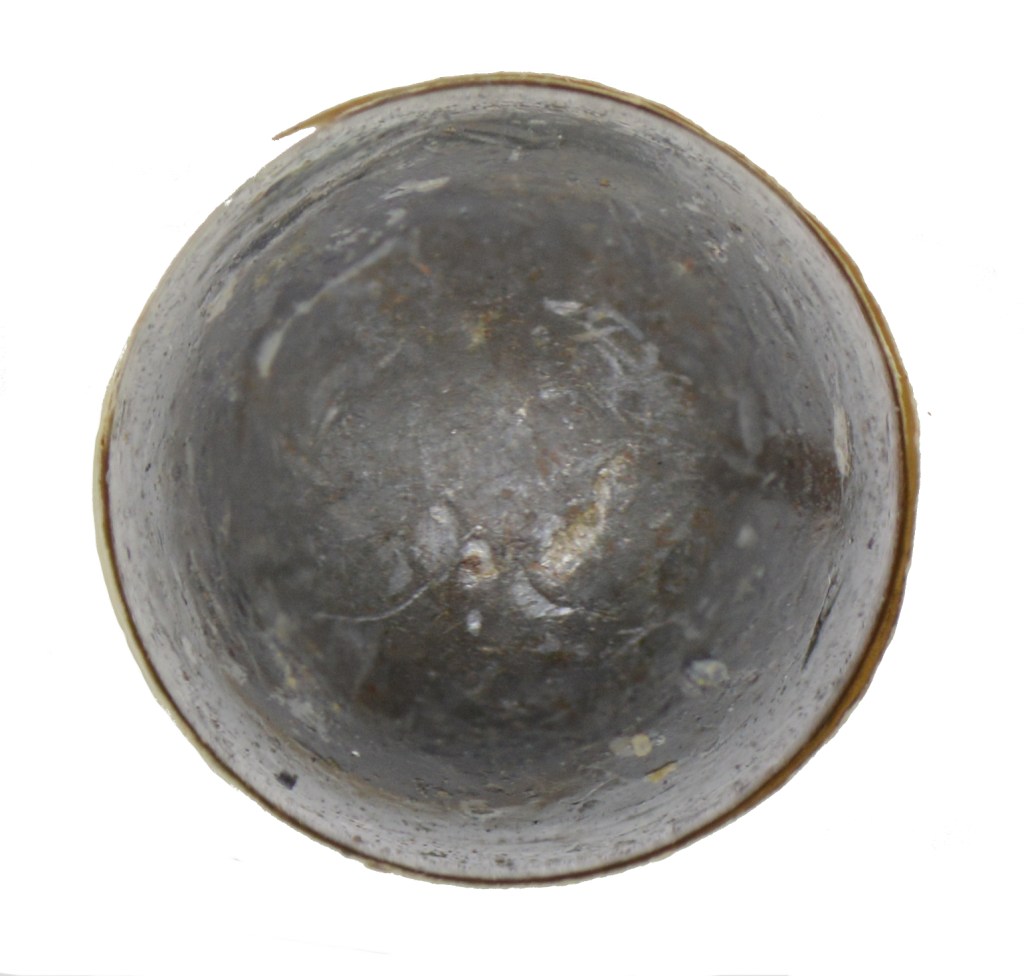
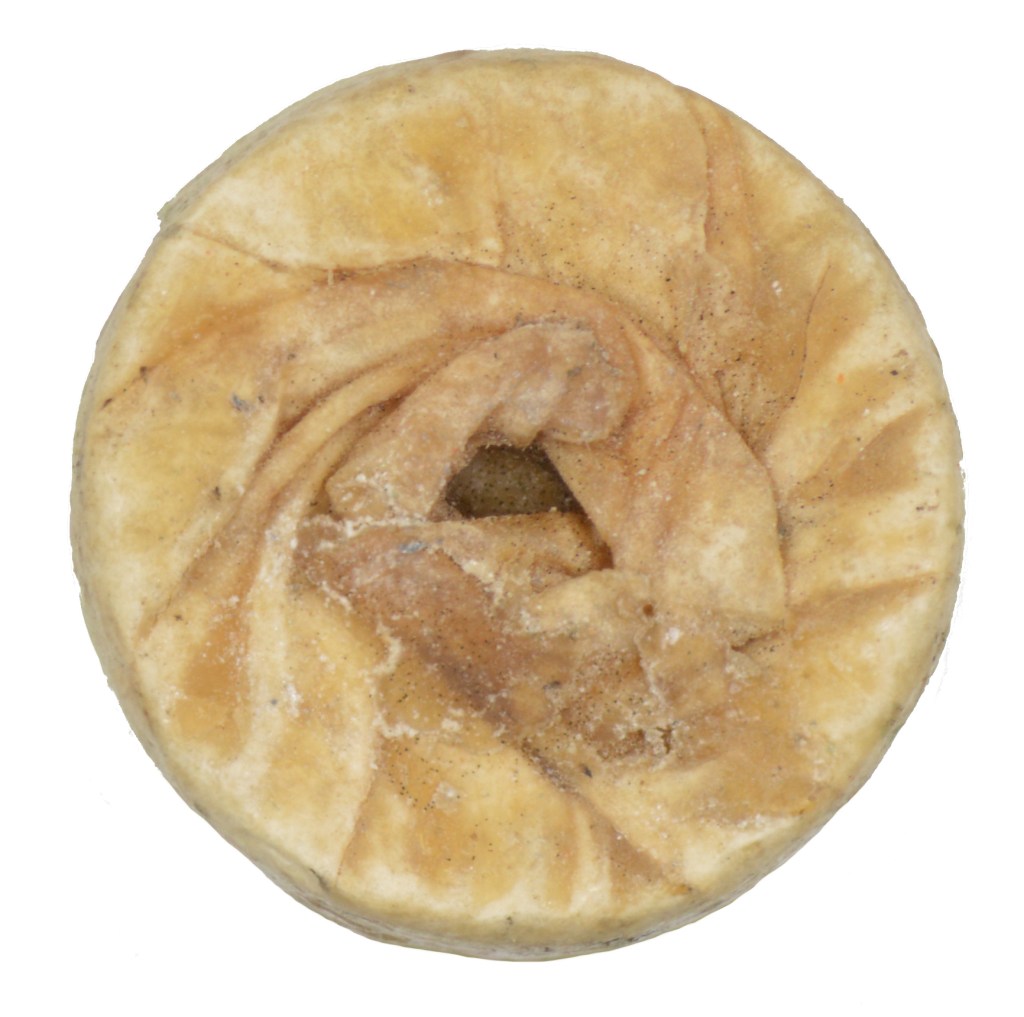
This unfired mark 3 bullet came from an original cartridge and shows how the patch is curled into the concave bullet base. The two images on the right are after the removal of the patch. Despite being 150 years old, the lead beneath the patch still retains its bright shininess. The two kurled cannelures are clearly visible, as is the base stamp, a broad arrow at 12 o’clock and ‘9’ at 6 o’clock (assuming this is not an upside down ‘6’).
Mark 3, fired
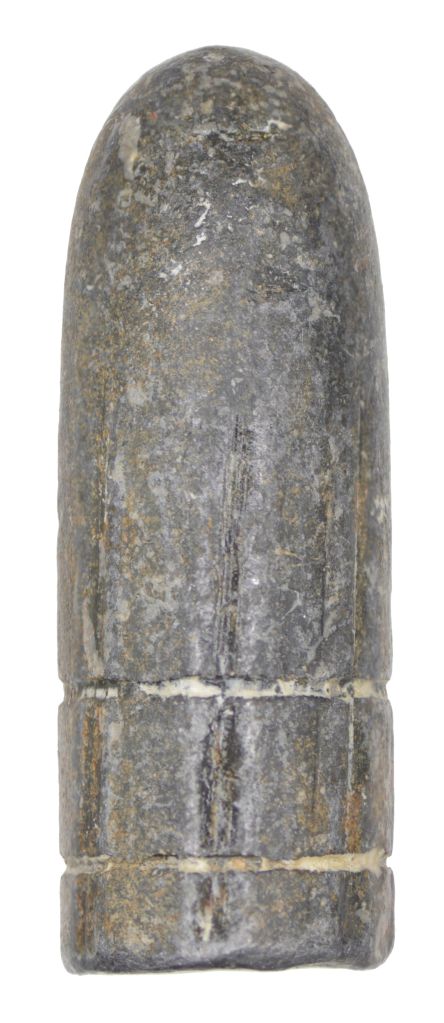
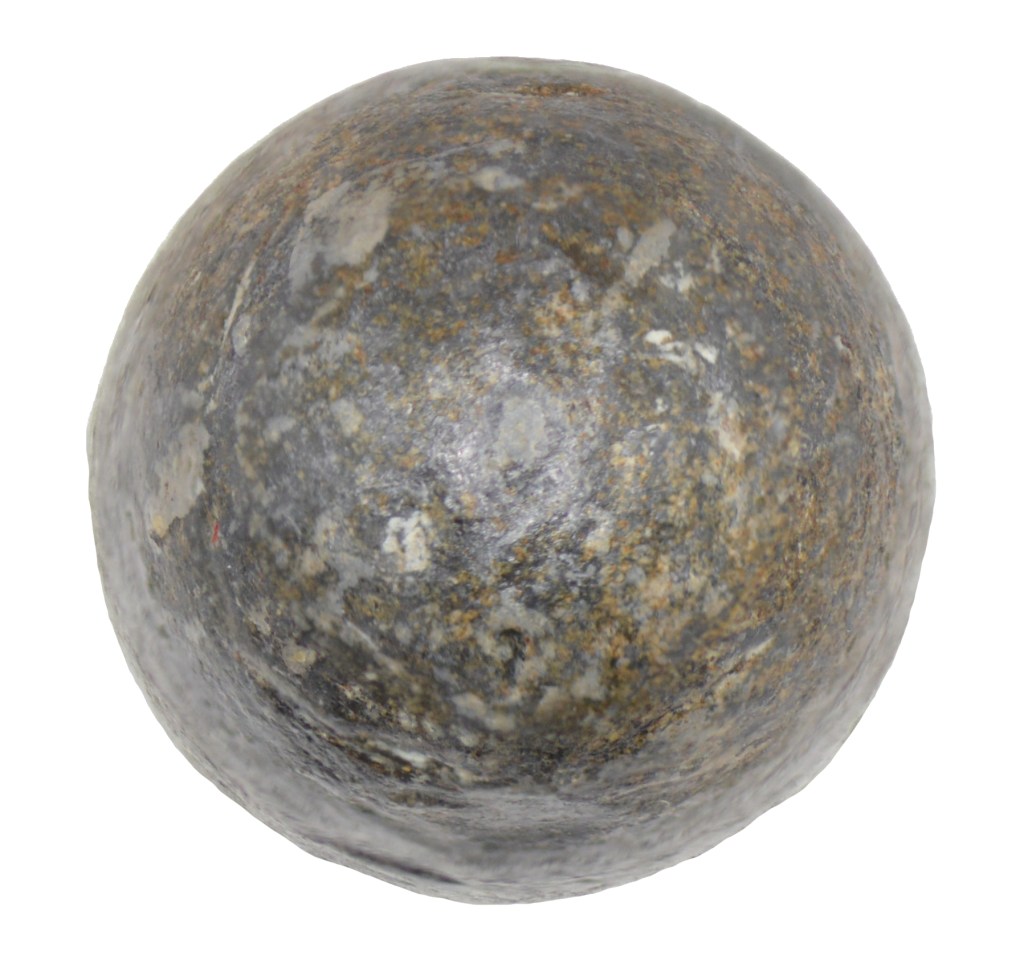
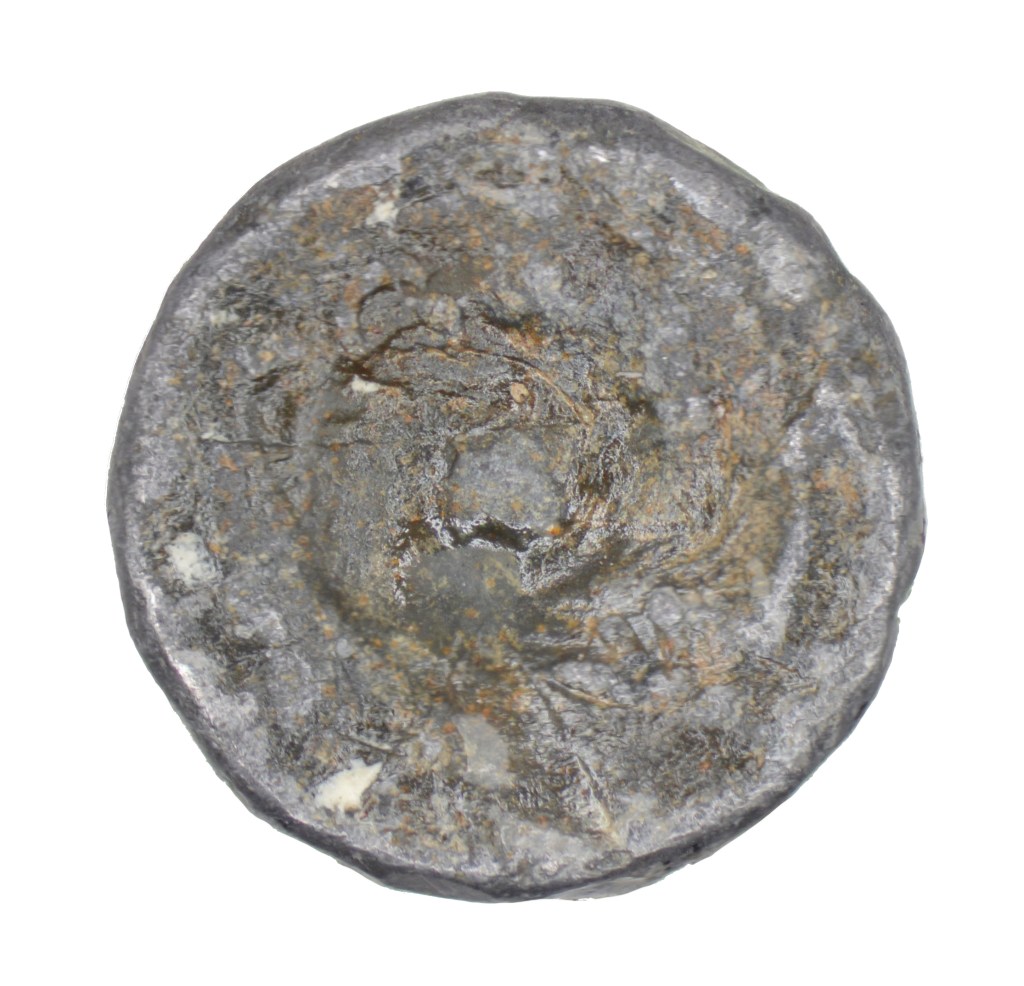
- Weight: 469 gn (30.4 g)
- Diameter: 0.446 in (11.3 mm)
- Length: 1.242 in (31.6 mm)
The cannelures on fired Martini-Henry bullets always close up slightly during firing.
Mark 3, fired
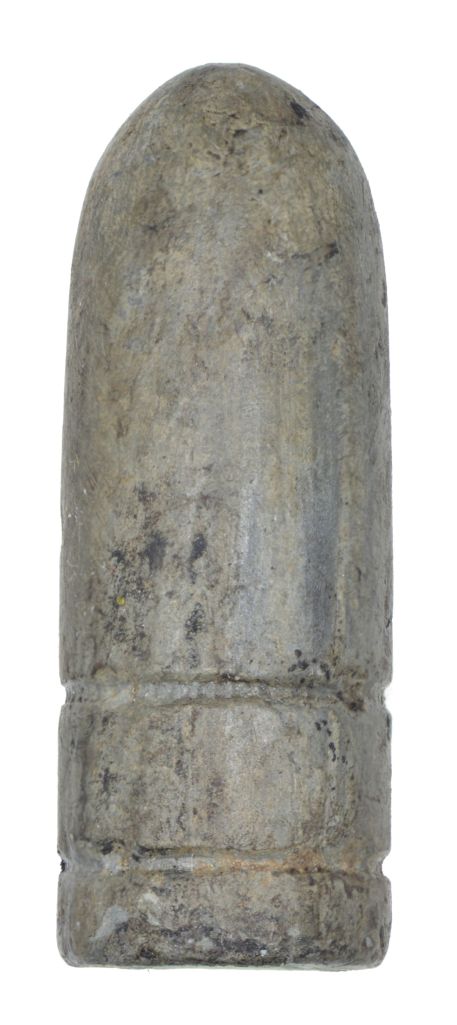
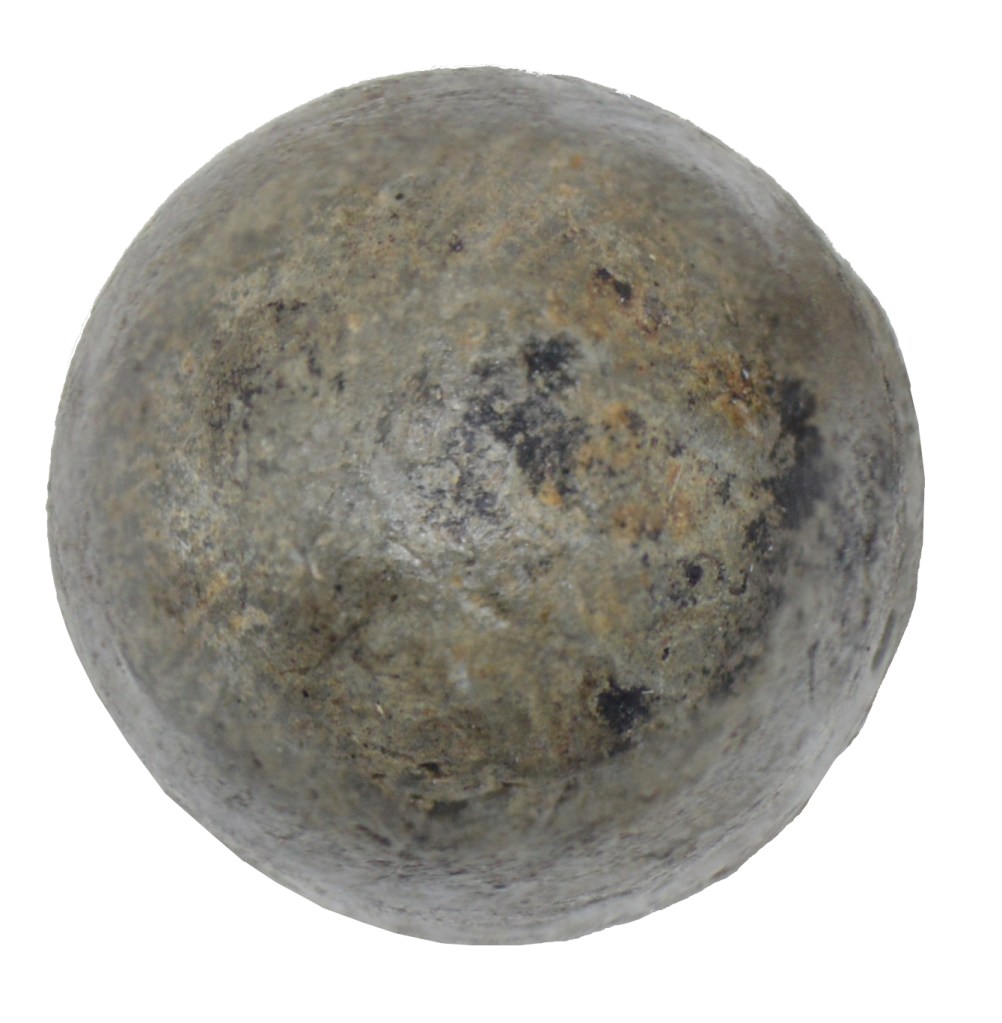
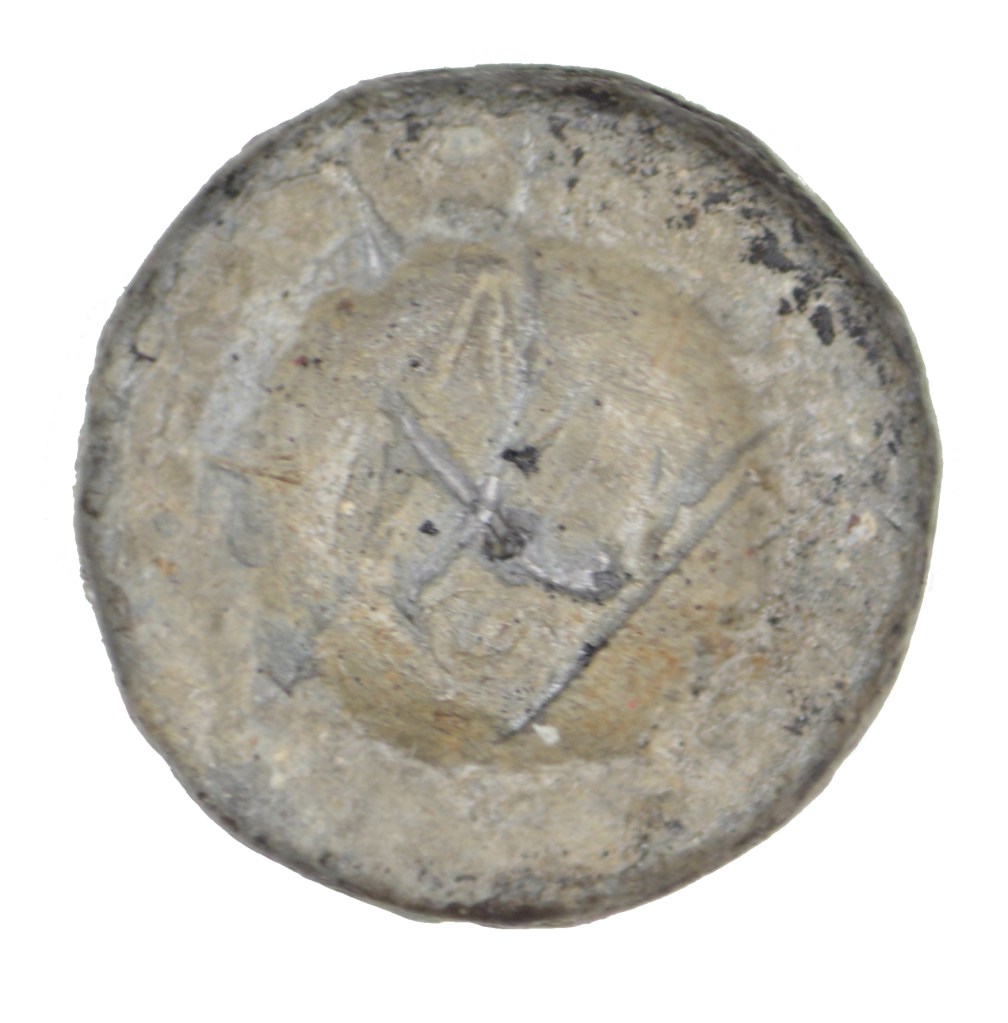
- Weight: 459 gn (29.7 g)
- Diameter: 0.453 in (11.5 mm)
- Length: 1.230 in (31.2 mm)
This mark 3 has a headstamp which features a broad arrow and a ‘9’. The increase in numerals beyond ‘8’, which was thge highest seen for the Snider and Enfield bullets, suggests an extra machine at the Royal Arsenal.
Mark 3, fired
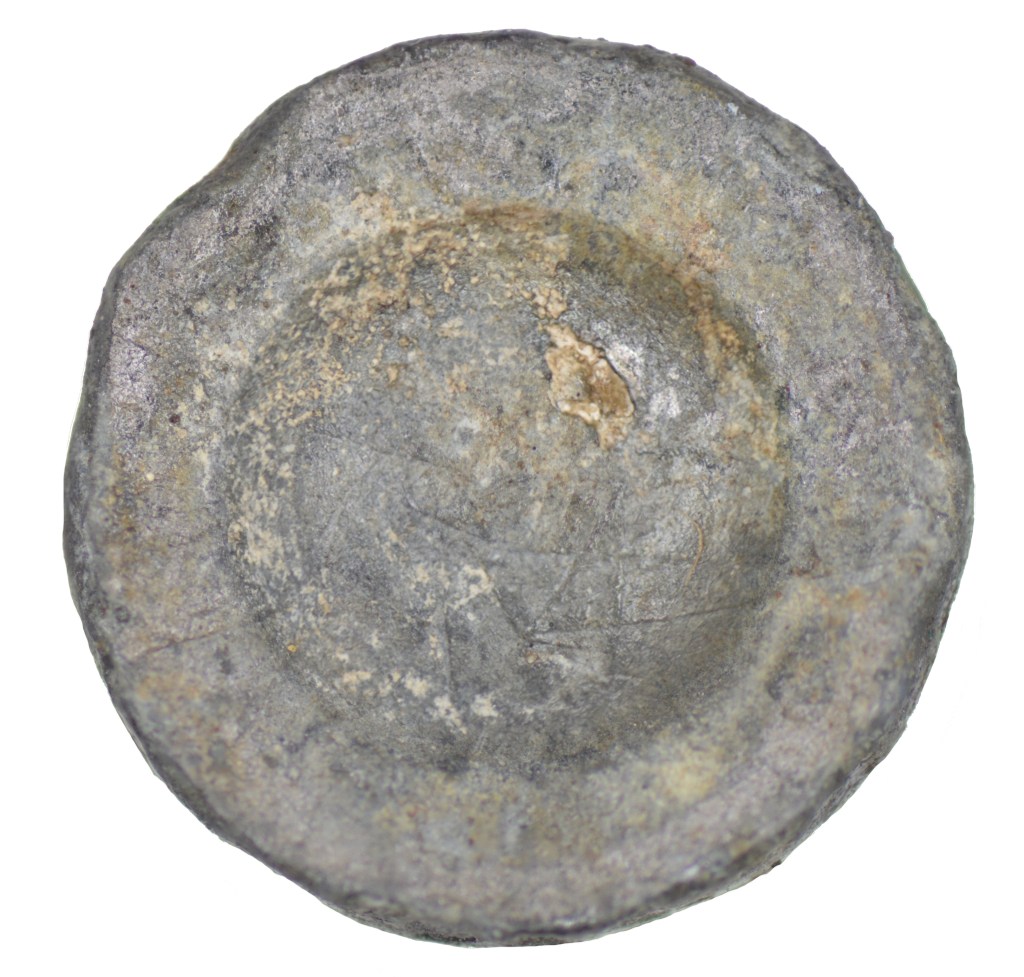
Note the linear grazes across the base of this fired mark 3 bullet. Compare this to the base of the patched bullet on the right and you can see how, on ignition, the creases of the patch have become impressed on the lead under the extreme heat and pressure.
mark 3 (1873)
mark 4 (1874) and carbine mark 1 (1877), 2 (1878) and 3 (1879)
