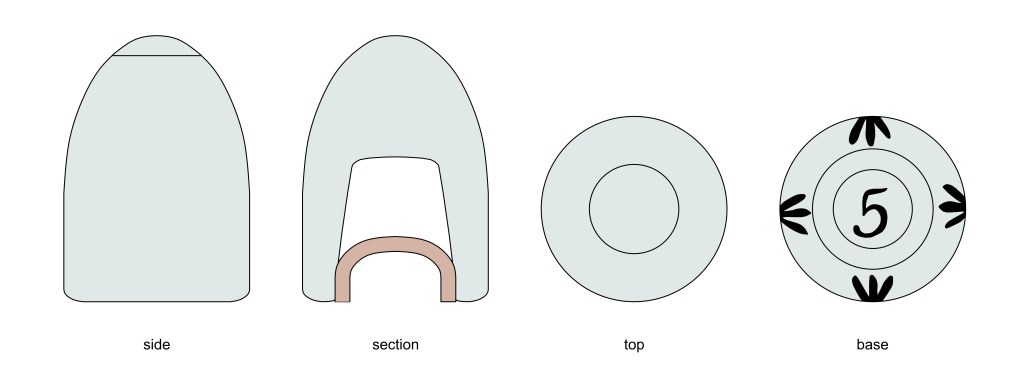
The 2nd pattern bullet incorporated a group of developments which appear to have been introduced simultaneously in 1854. The shape was changed from conoidal to cylindro-conoidal, meaning that the lower portion of the bullet had sides that were parallel with the bore of the rifle – a significant improvement in placement of the projectile in the barrel. The diameter of the bullet was reduced from .690 in to 0.685 in, to improve the muzzle loading experience (A Treatise on Naval Gunnery, Appendix, page 519). The iron cup was changed from being hemispherical to having straight and tapered sides, to improve the uniform forward motion within the cavity. A numeric stamp (reflecting the die/machine number the bullet was pressed in) was added to the top of the cavity and broad arrows to the rim of the cavity/base of the bullet.
Official weight and dimensions (information from A Treatise on Naval Gunnery, 1855).
- Weight: 680 gn (presumed)
- Diameter: 0.685 in
- Length: 1.020 in
2nd pattern P51, unfired
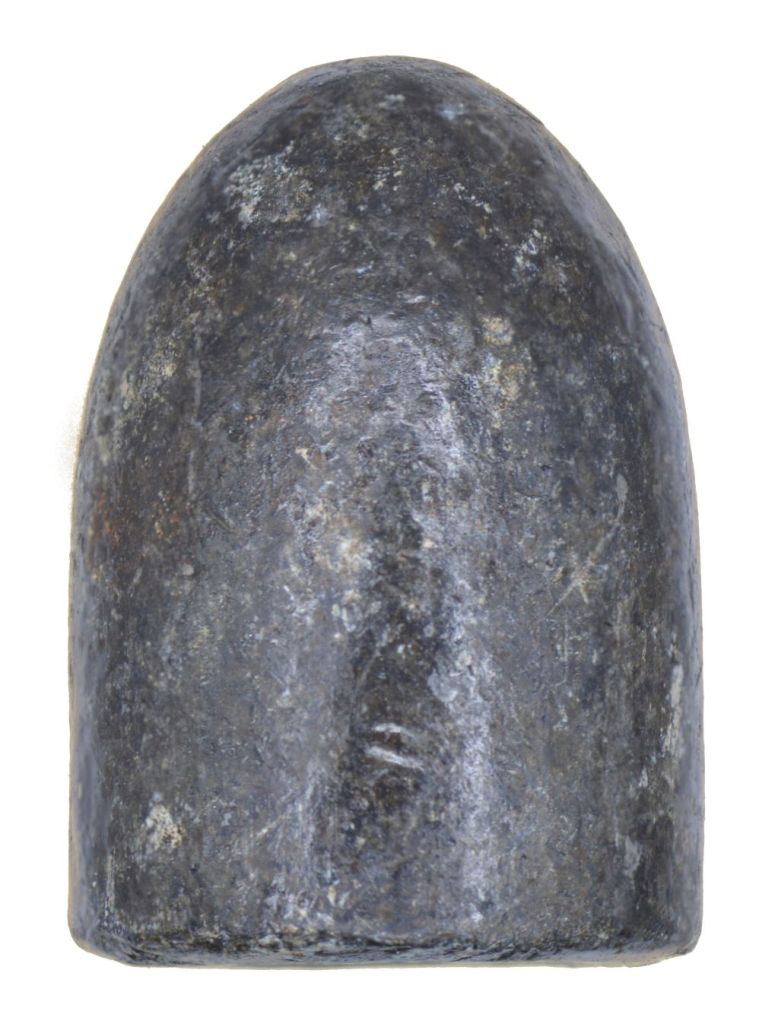
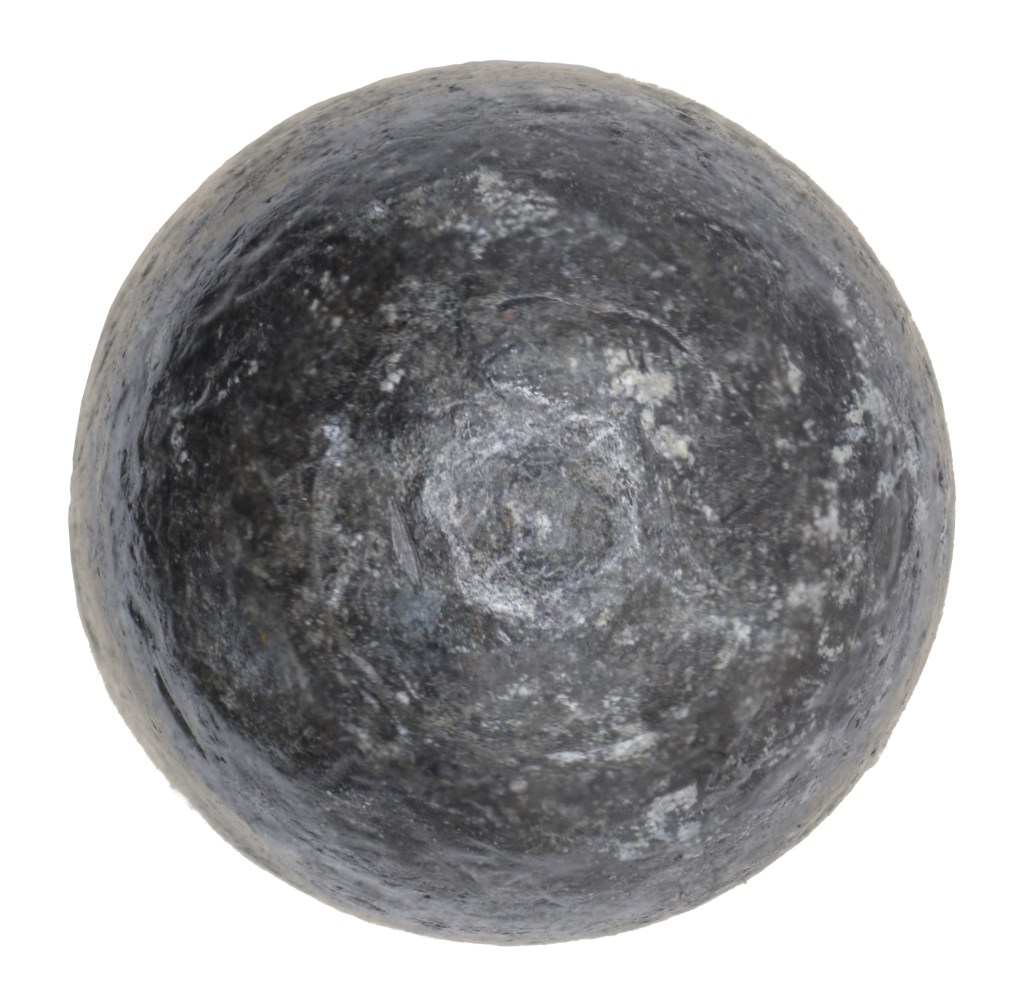
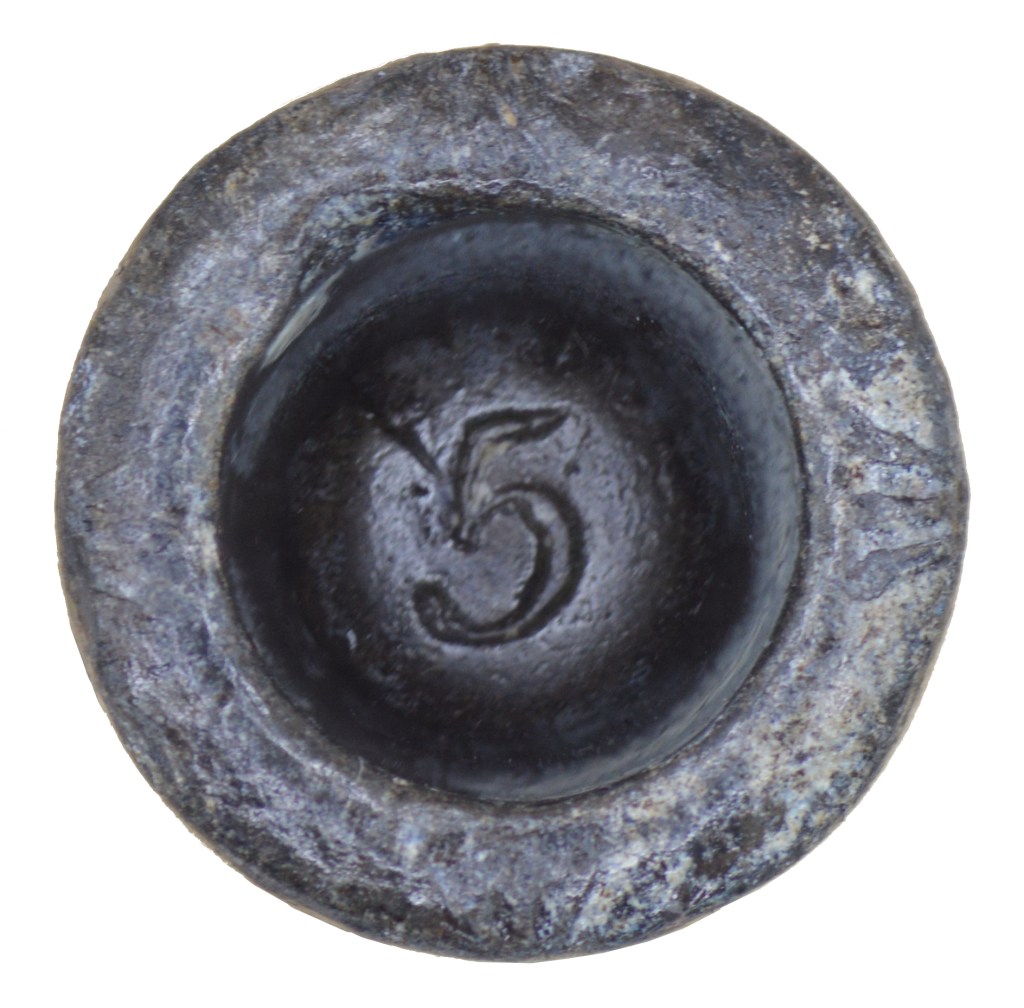
- Weight: 670 gn (43.4 g)
- Diameter: 0.692 in (17.6 mm)
- Length: 0.994 in (25.2 mm)
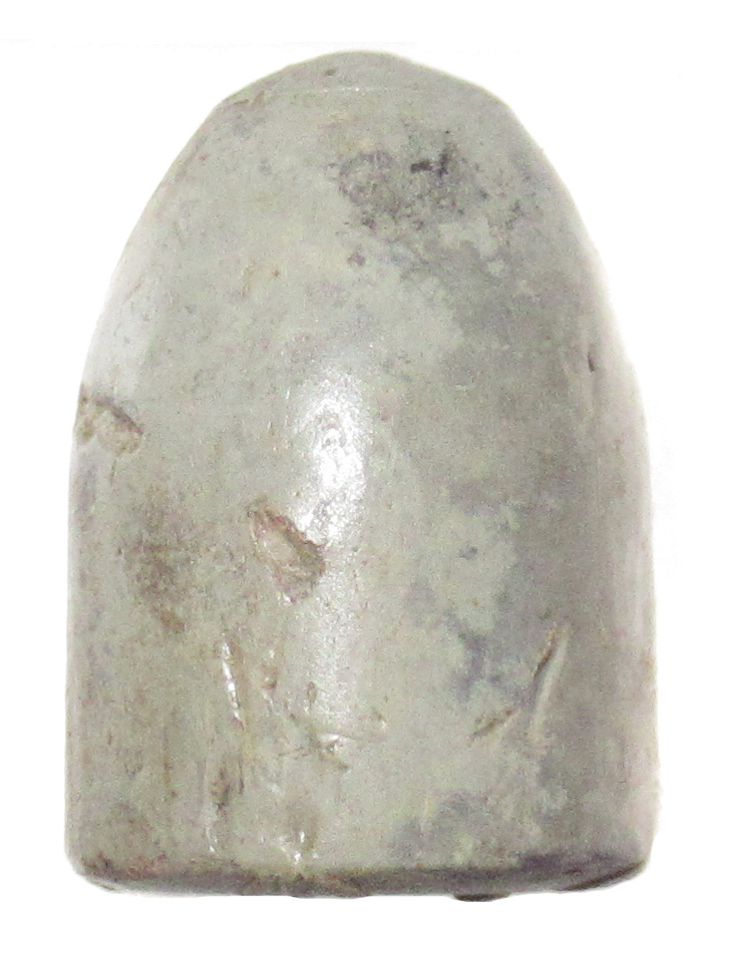
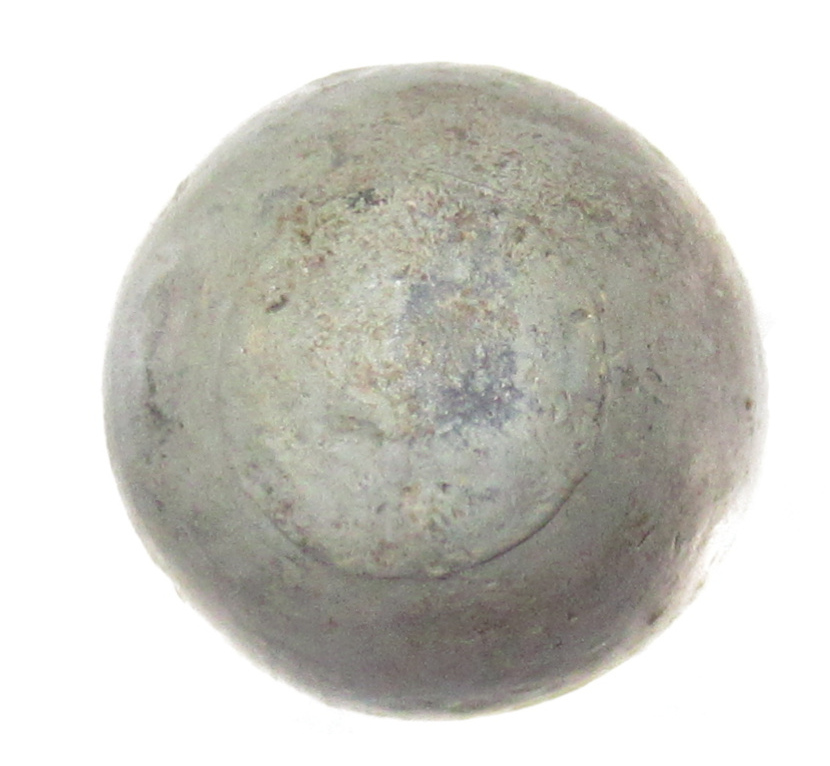
This unfired example exhibits a ring around the nose from being ejected from the Anderson bullet press. The four broad arrows on the rim are somewhat faint but the ‘5’ in the base cavity is very clear.
2nd pattern P51, fired
- Weight (with cup): 700 gn (45.4 g)
- Diameter: 0.692 in (17.6 mm)
- Length: 0.994 in (25.3 mm)
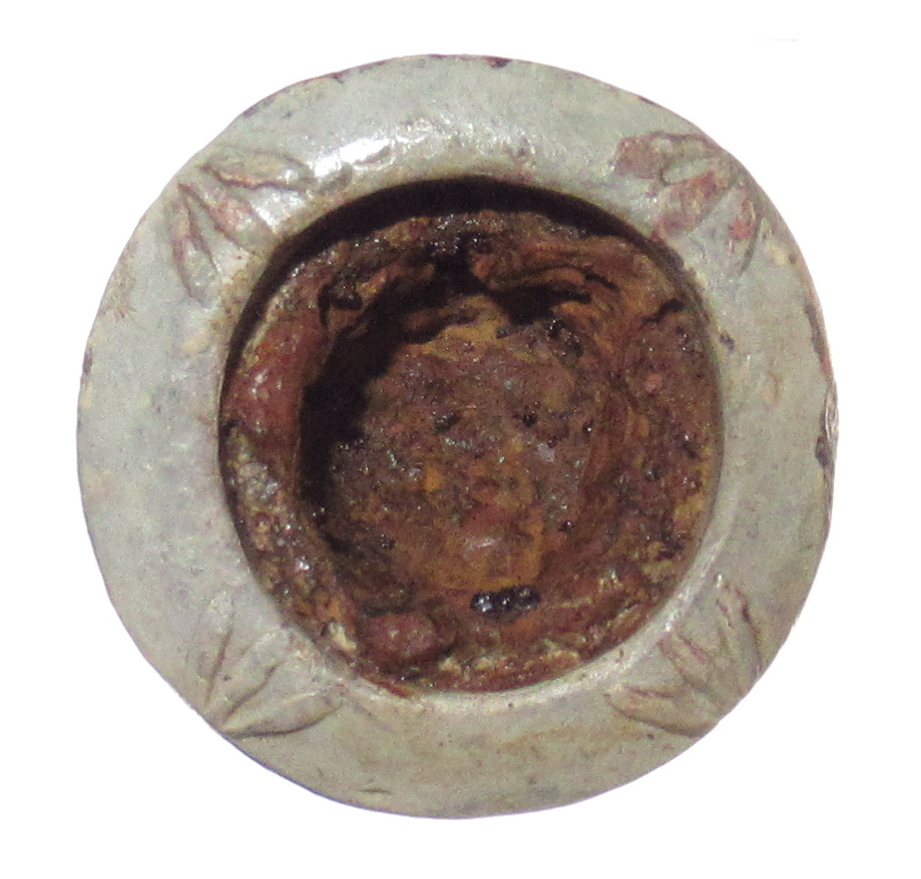
The ejection ring is clearly visible on this fired example, as are the broad arrows. The iron cup is rusted in place, and despite being of the newer type (designed to move more uniformly into the cavity) the cup is slightly canted.
2nd pattern P51, fired
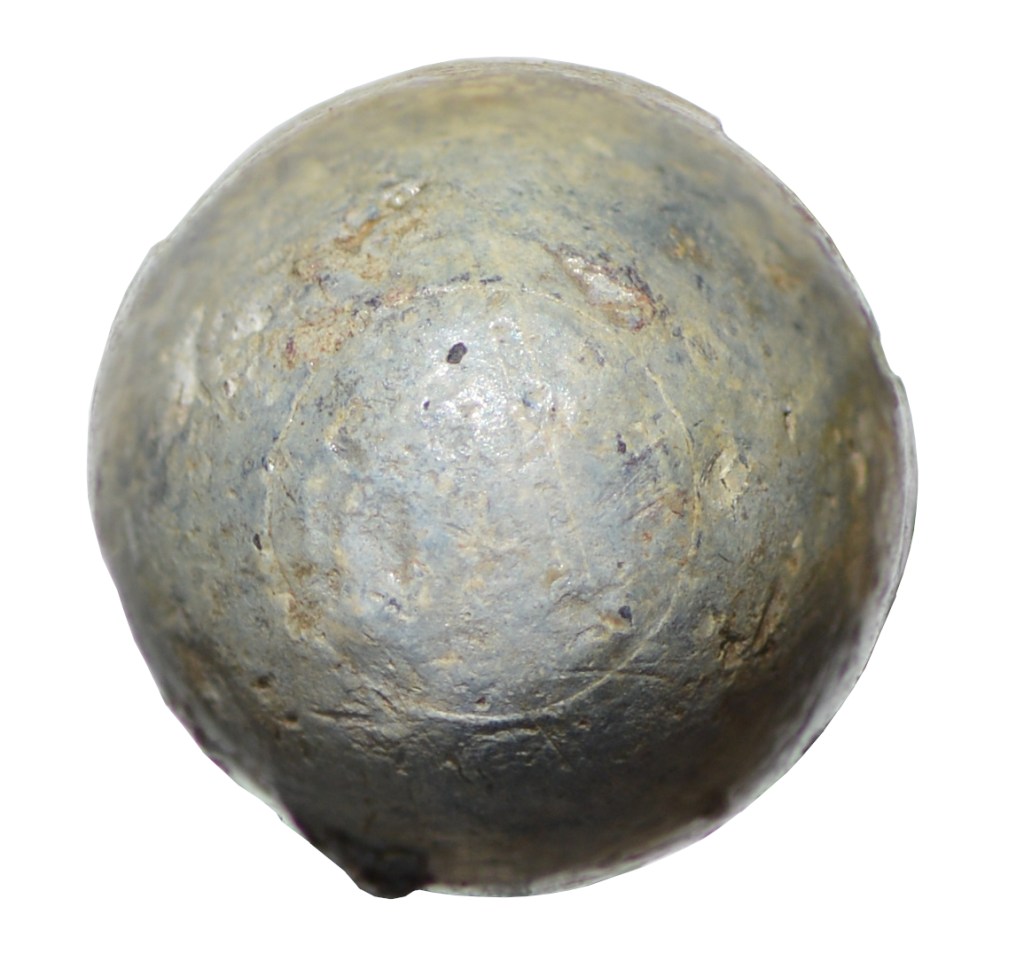
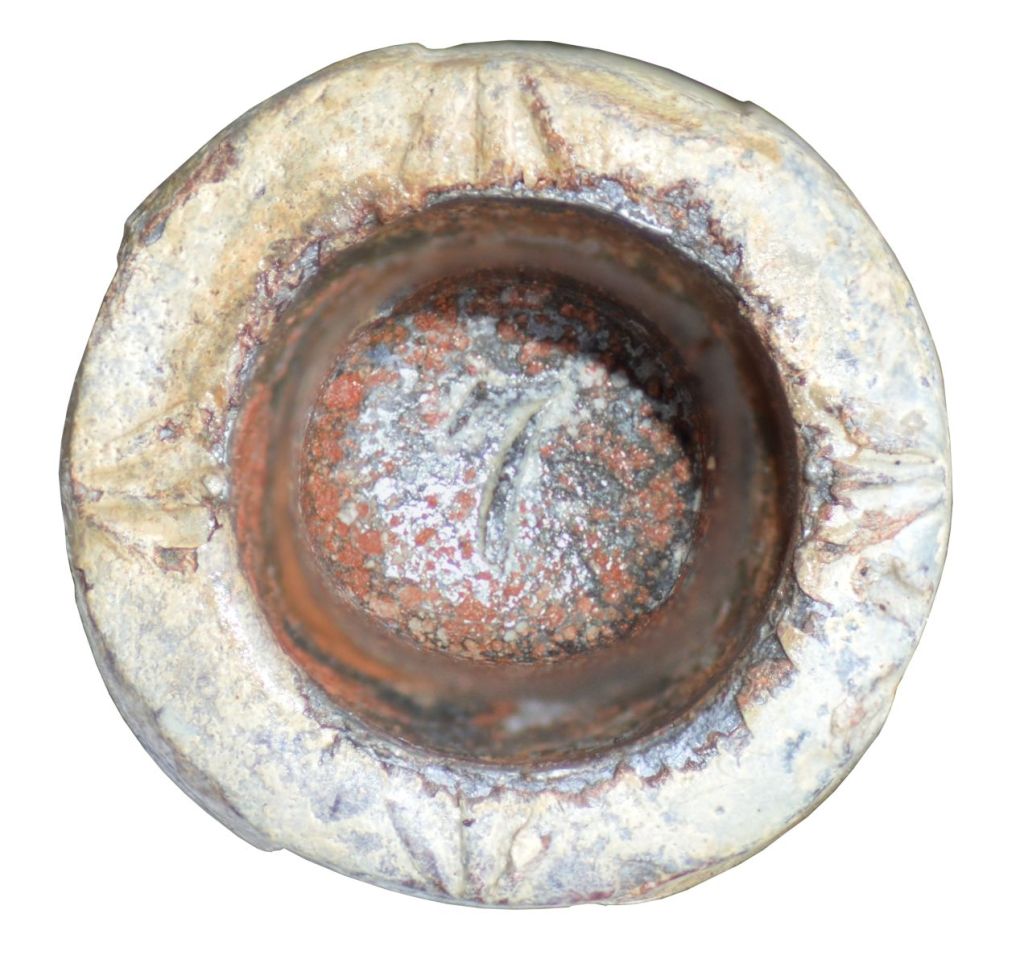
- Weight (with plug): 693 gn (44.9 g)
- Weight (without plug): 667 gn (43.2 g)
- Diameter: 0.707 in (17.9 mm)
- Length: 0.964 in (24.5 mm)
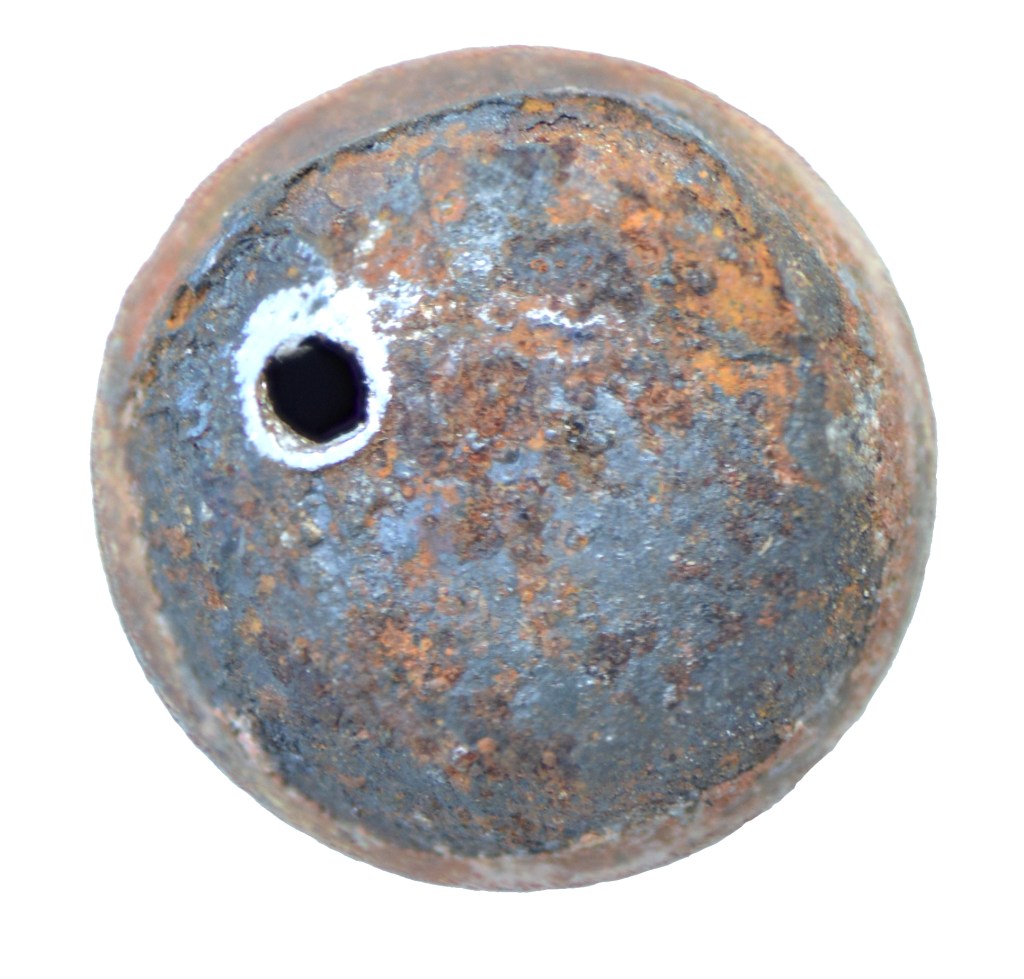
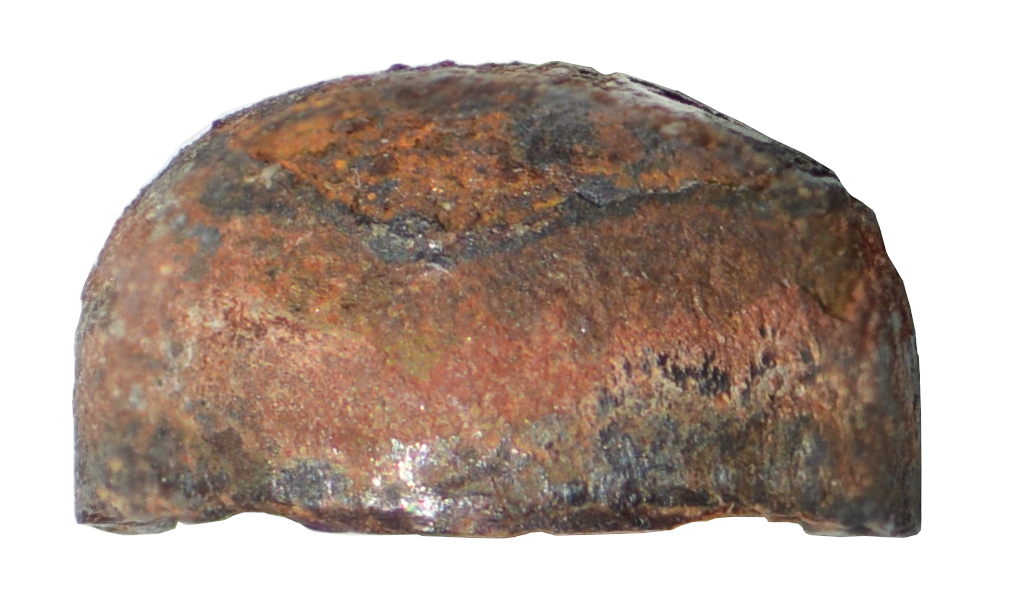
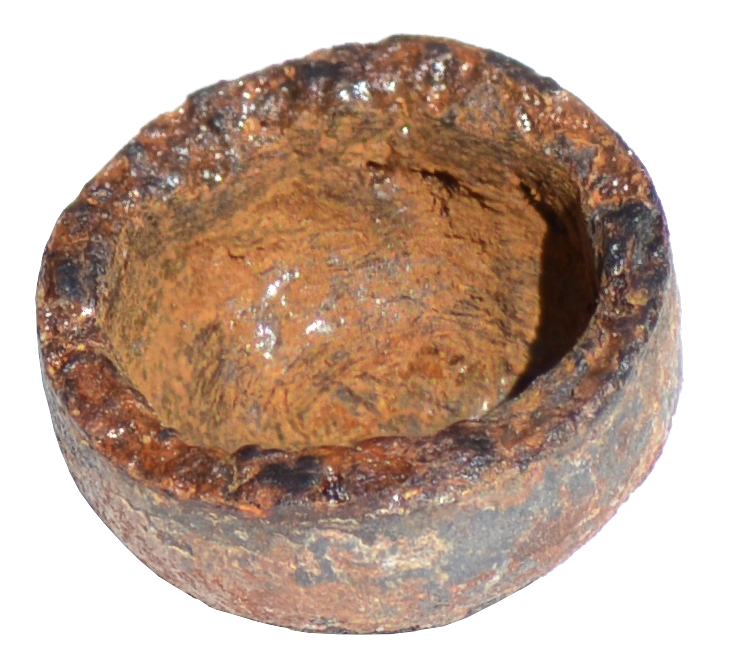
- Diameter: 0.446 in (11.3 mm)
- Height: 0.249 in 6.3 mm
- Weight: 26 gn (1.6 g)
This is the improved iron cup, with near vertical sides, rather than being hemispherical. The hole is not original, but was necessary to remove it from the bullet.
2nd pattern P51, fired
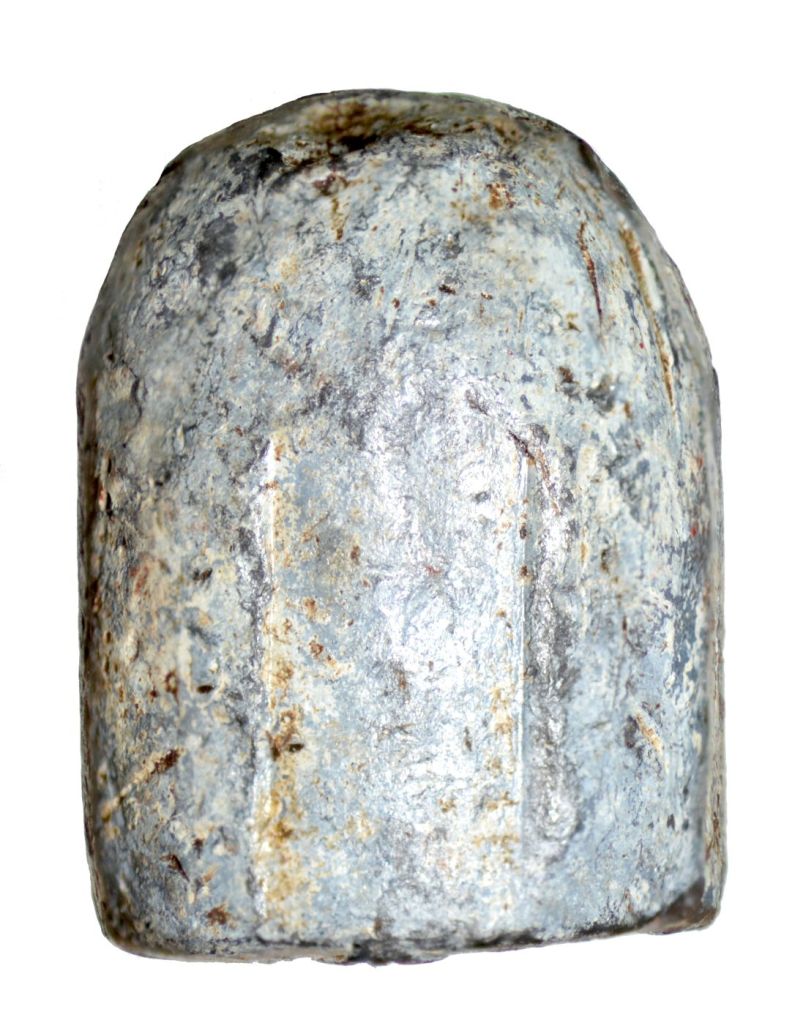
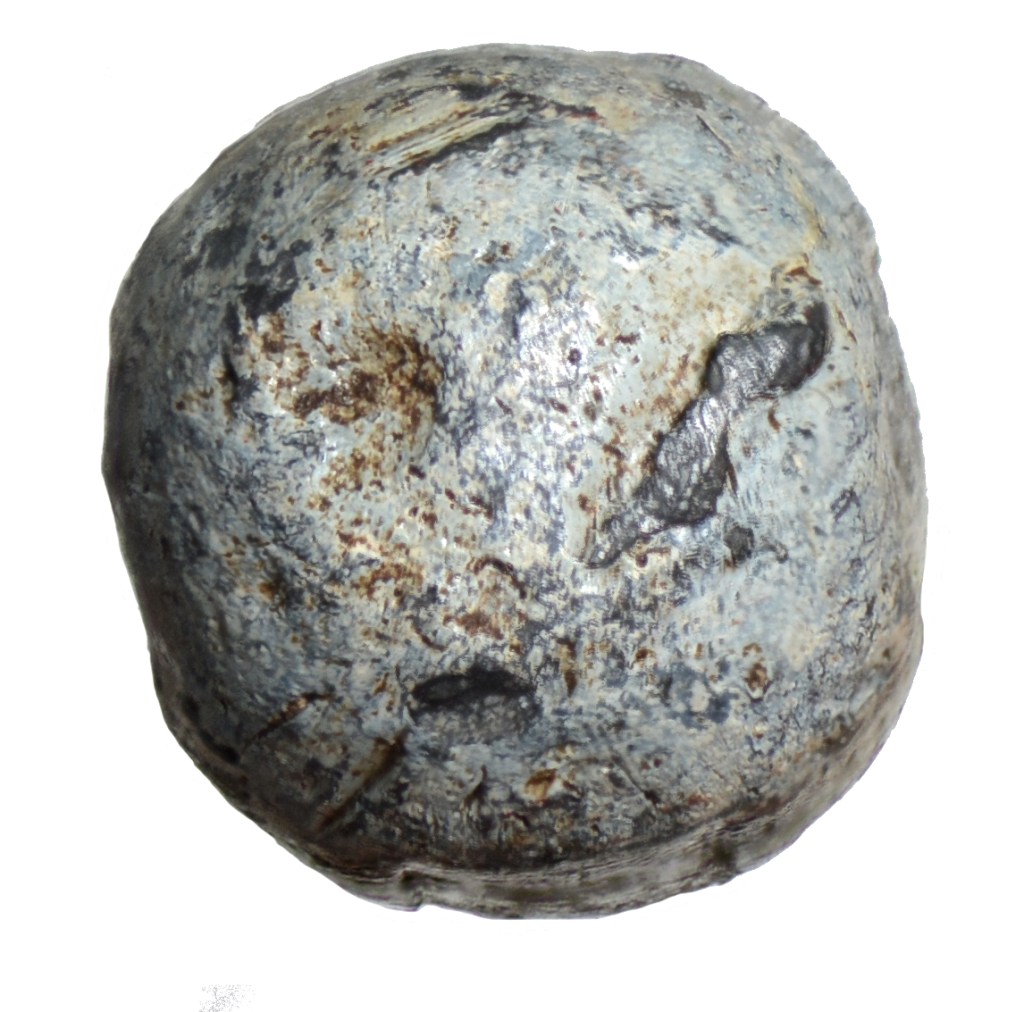
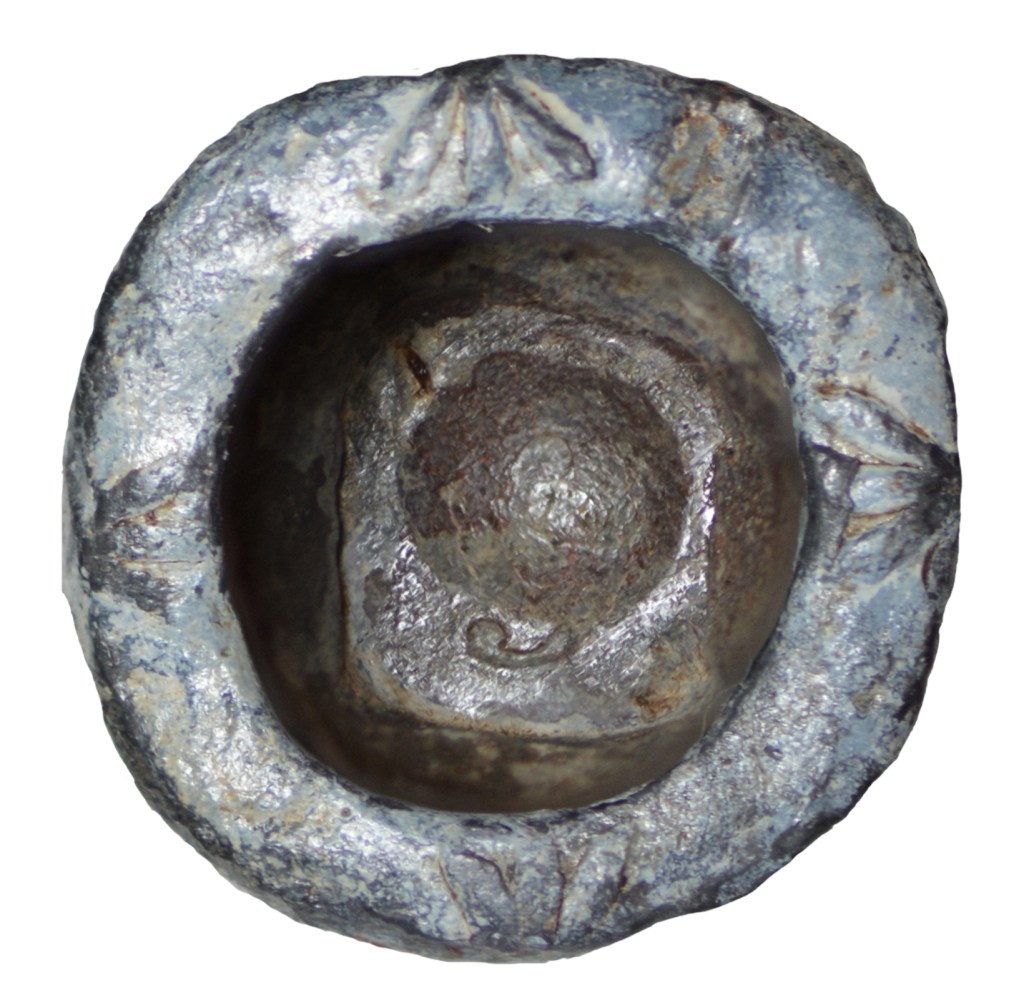
- Weight: 675 gn (43.7 g)
- Diameter: 0.704 in (17.9 mm)
- Length: 0.924 in (23.5 mm)
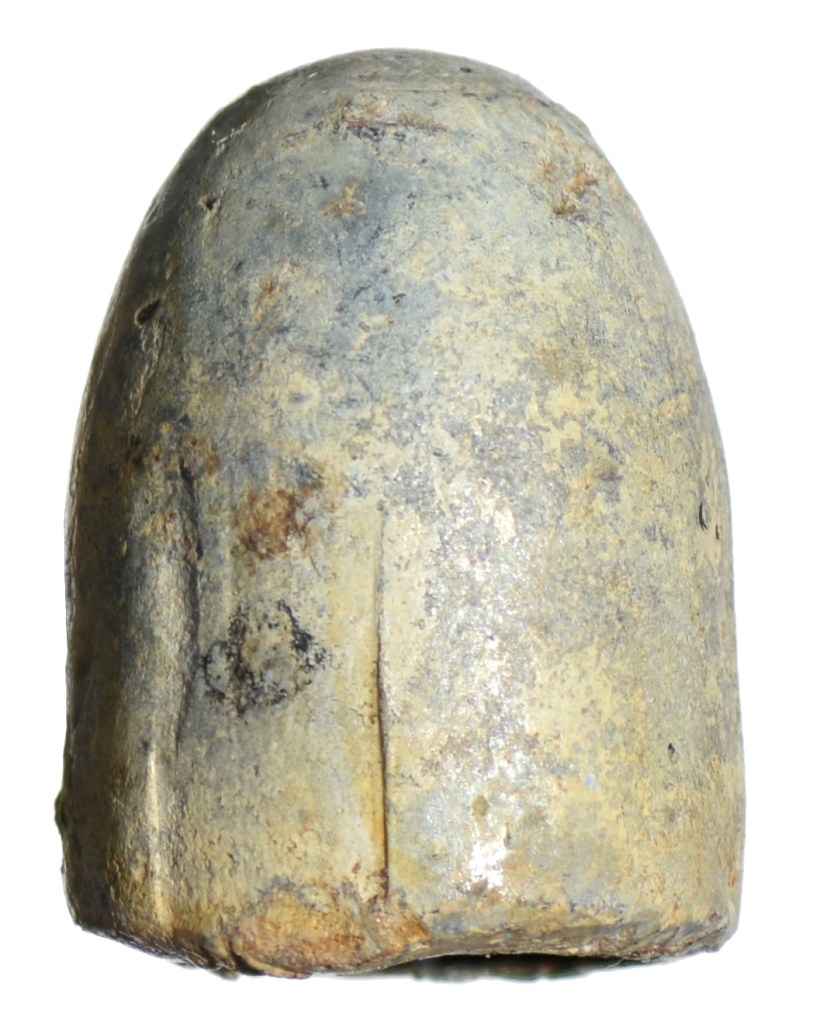
This fired example has really been put through its paces. The bullet has set up very well, the four groove rifling clearly visible on all photographs above: on the outside, in elevation and plan and on the inside cavity, which has been squeezed into a square shape, reflecting the four lands and grooves. The iron cup is no longer present, either entirely rusted (which seems unlikely, without leaving some trace) or having fallen out on impact. The cup has, however, succeeded perfectly in its role on moving forwards into the cavity and the end of the cavity has a clear impression of the domed top of the cup, visible as a hollow, obscuring the numeric stamp: all that remains of the number is a curl of what was possibly a ‘3’, ‘5’ or ‘6’.
1st and 2nd pattern iron cups
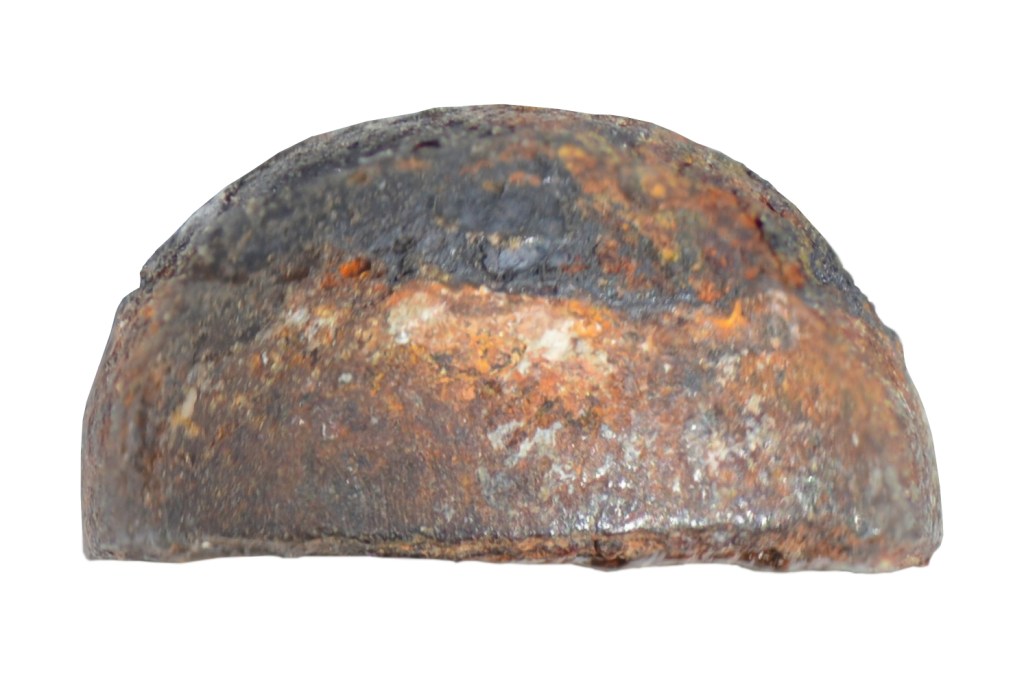
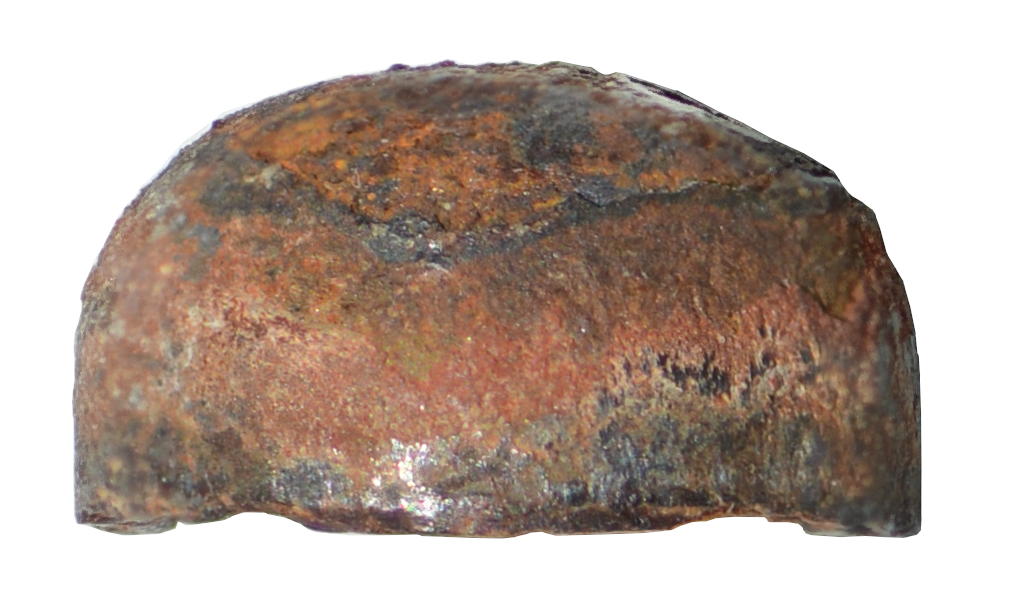
The photograph on the left is the 1st pattern iron cup for the P51, while on the right is the 2nd pattern. Note the difference between the hemispherical cup and the improved cup with parallel sides.
1st pattern conoidal, iron cup 1851
2nd pattern cylindro-conoidal, reduced diameter, iron cup 1854
3rd pattern, cylindro-conoidal, reduced diameter, wood/clay plug 1861
