The introduction of the 0.702 calibre Regulation Minie rifle was a watershed moment for the British army. It was the first attempt at rolling out a rifle to all infantry, not just to specialised rifle units (although the reality was it did not reach all parts of the forces before its replacement, the P53, arrived). The implication of this was that suddenly all soldiers required a level of training that had not previously been necessary. Muskets are not very accurate and have no adjustable sights, so as long as you could load it and obey the instructions on when and which direction to shoot, this was enough. A rifle required the shooter to be able to judge distance to the target and adjust the rifle to sights to accommodate the distance.
The rifle itself (originally referred to as musket, then rifle-musket) was based closely on the Belgian Delvigne-Minié rifle, not that the rifle itself was anything particularly new. It was the bullet which really revolutionized the next 15 years of shooting and the doctrine of the British army. The Minié bullet design (with a hollow base in which a metal cup was placed) showed that an undersized bullet could be loaded through the muzzle and then enlarge sufficiently on firing to engage with the rifling and accurately project to the chosen target. The British chose not to adopt the French bullet, but create their own type loosely based upon it. The design retained an iron cup in the base, which pushes forward, on combustion of the gunpowder, helping to expand the bullet into the rifling as both move forward. The rifling incorporated four wide lands and grooves.
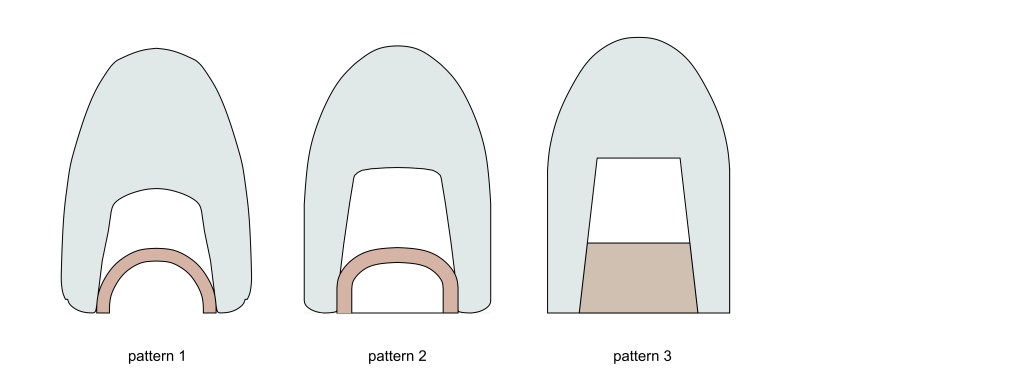
The designation of pattern types was not used for the bullets during the period of use, but have been applied here to give a basis for reference. For a full history of the development of the Pattern 51 rifle, see ‘The English Cartridge‘ by Brett Gibbons – no better book on the subject exists.
P51 introduction
1st pattern conoidal, iron cup 1851
2nd pattern cylindro-conoidal, reduced diameter, iron cup 1854
3rd pattern, cylindro-conoidal, reduced diameter, wood/clay plug 1861
