Although not adopted for service use, the 1851 Adams revolver was a common private purchase by officers during the Crimean War. The illustration below shows two forms of the cartridge: on the left is the original form, a rounded bullet with a stem, connecting through the wider felt was and into the copper powder container (patent no. 1 of 1852). The base of the copper container is pulled off using the loop, prior to loading. This was an expensive cartridge to manufacture. The cartridge on the right represents a simplification, patented by Eley (patent no. 2487 of 1854), with a paper powder container and the cylindro-conical bullet. These Adams style cartridges have earned the nickname ‘dustbin’ cartridges, due to the similarity of an upside down dustbin and lid.
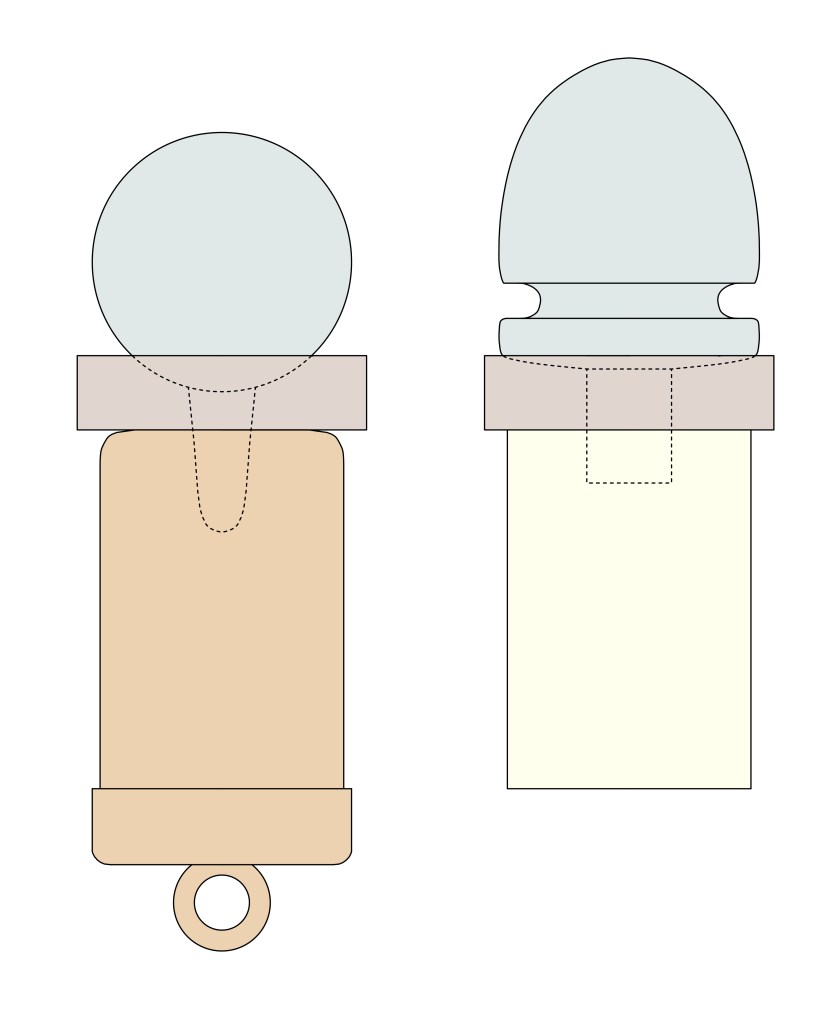
The round bullet was the one first patented in 1851, but both bullets were later issued contemporaneously, evidenced by moulds with capacity to cast both forms of projectile. Deane’s Manual of Firearms (1858, page 211) presents the Adams revolver of this system as a great improvement over the Colt Navy, citing the ease of loading as one of the main considerations. The five chambers could be loaded (with fingers or thumb) and emptied twice (firing ten rounds altogether) in two minutes. The ease of loading dispensed with the need to release the loading rod and force the bullets into the cylinder chamber, as with the Colt.
Adams stem bullet/round unfired
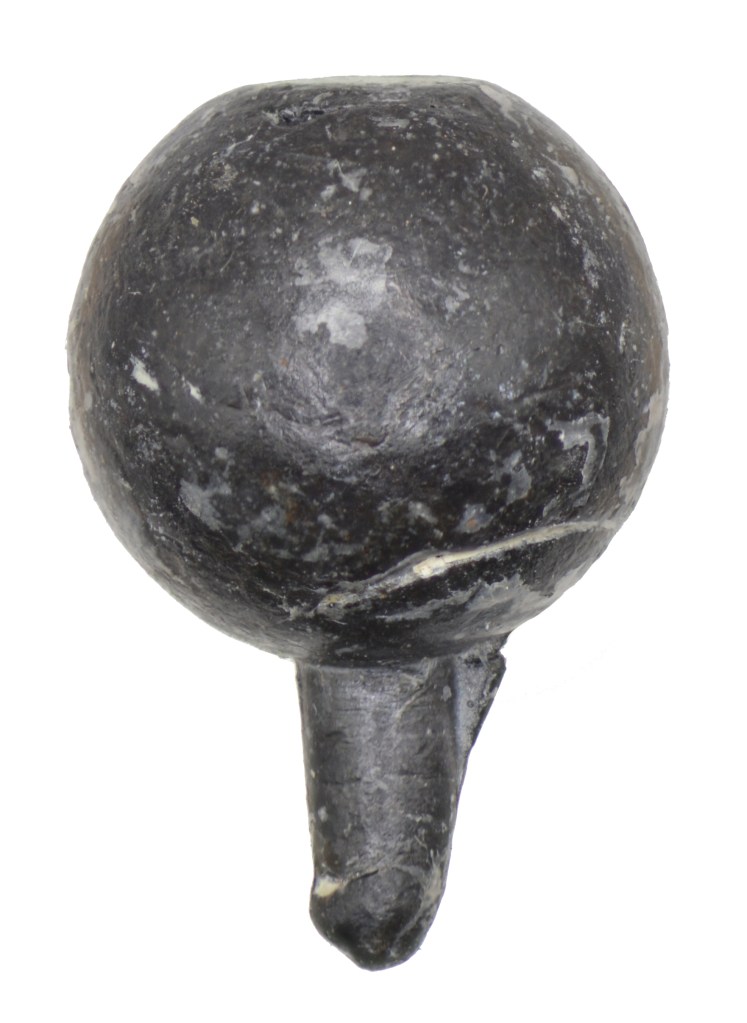
- Weight: 133 gn (8.62 g)
- Diameter: 0.439 in (11.7 mm)
- Length: 0.652 in (16.6 mm)
This example is unfired. The sprue has been cut with a knife, leaving a very flat top.
Adams stem bullet/round unfired
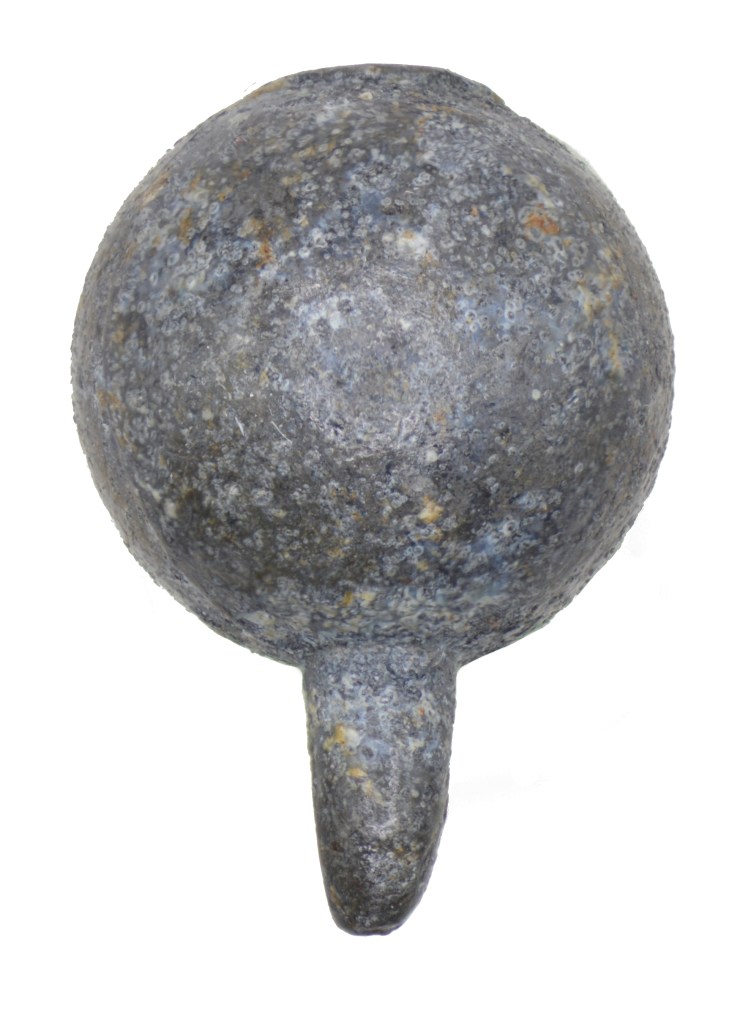
- Weight: 122 gn (7.9 g)
- Diameter: 0.431 in (11 mm)
- Length: 0.615 in (15.6 mm)
Another unfired bullet with the sprue once again cut with a knife.
Adams stem bullet/cylindro-conical, early type
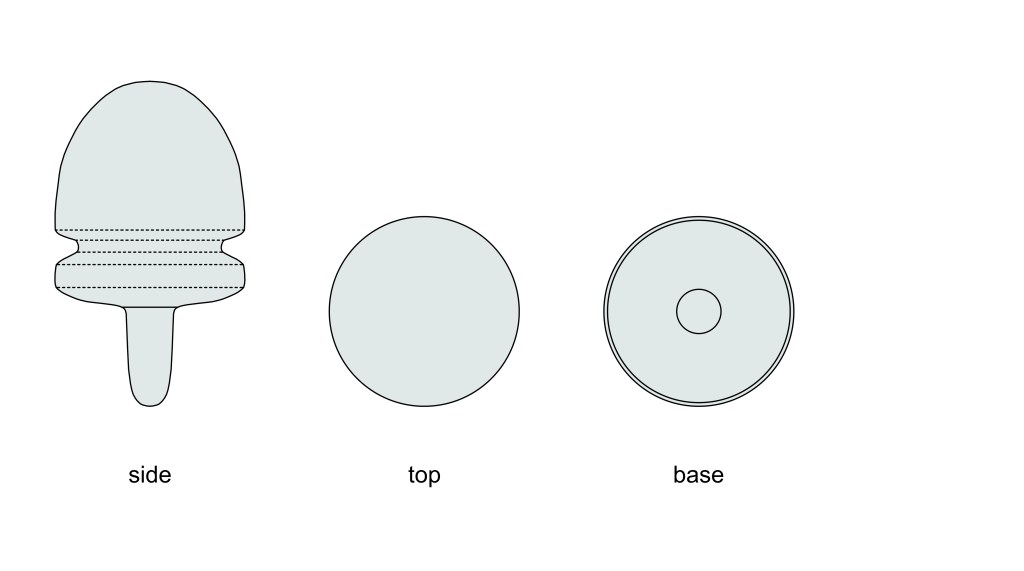
The second type of Adams stem projectile is the early cylindro-conical version. The stem on these examples is sightly more pointed than on later versions.
Adams stem bullet/cylindro-conical unfired
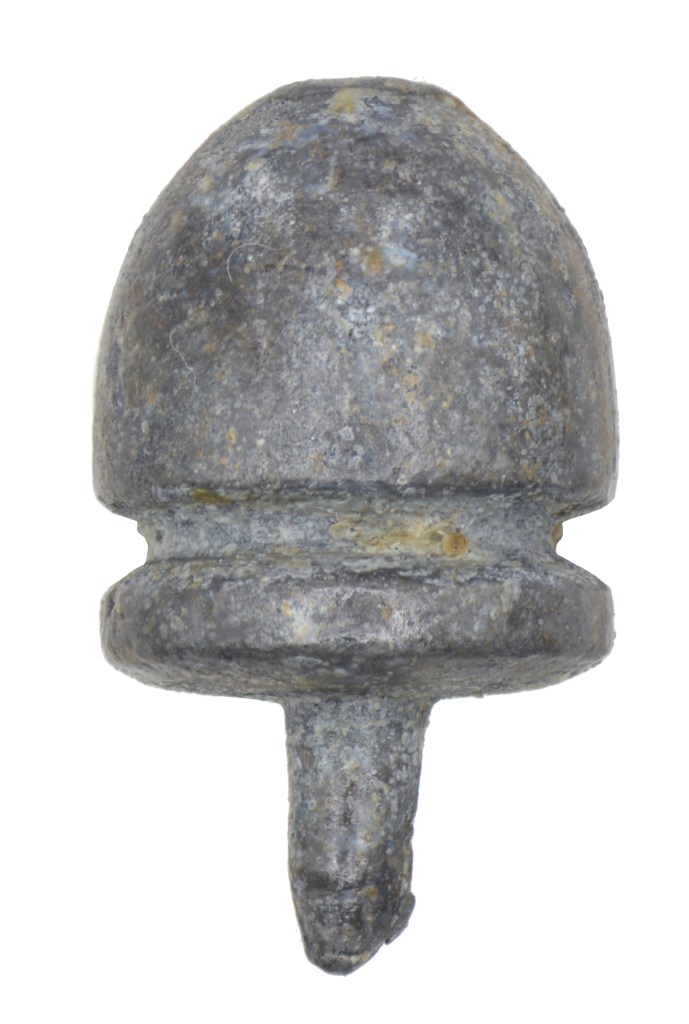
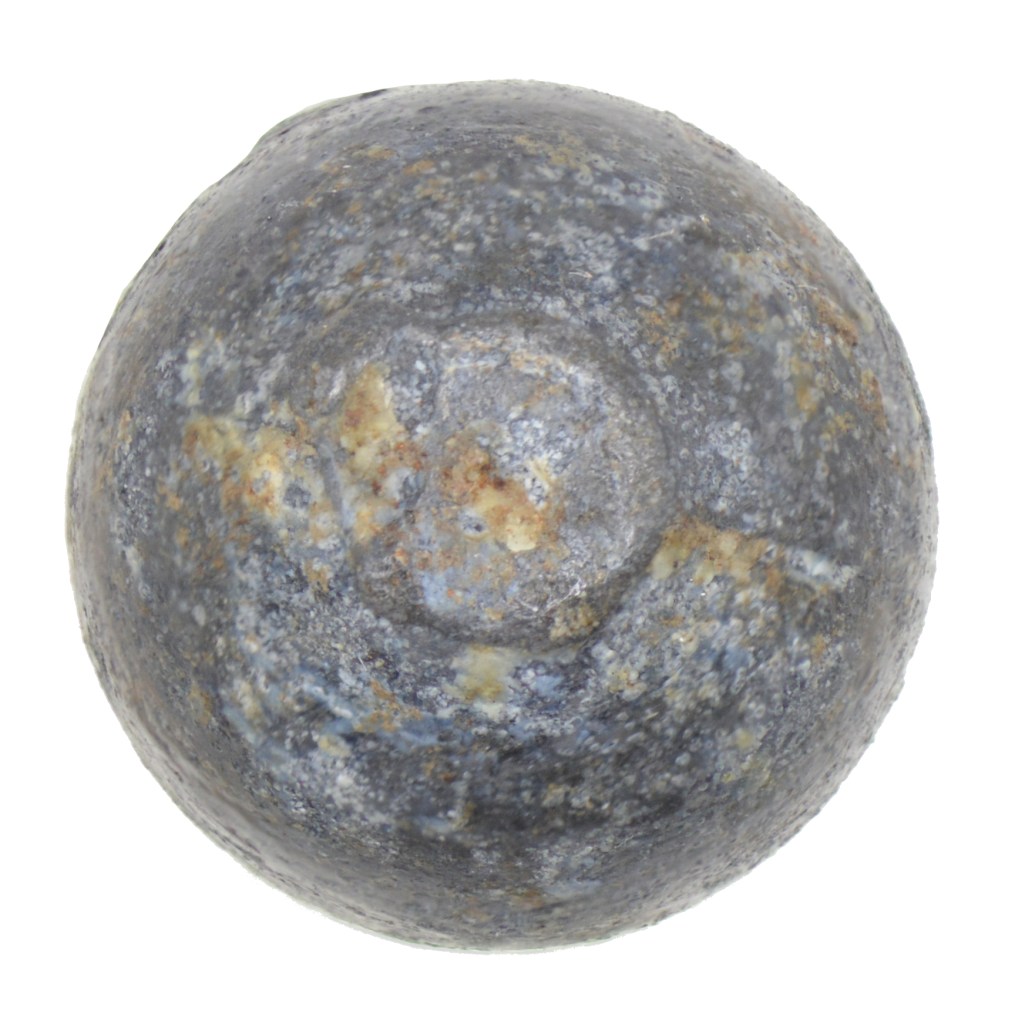
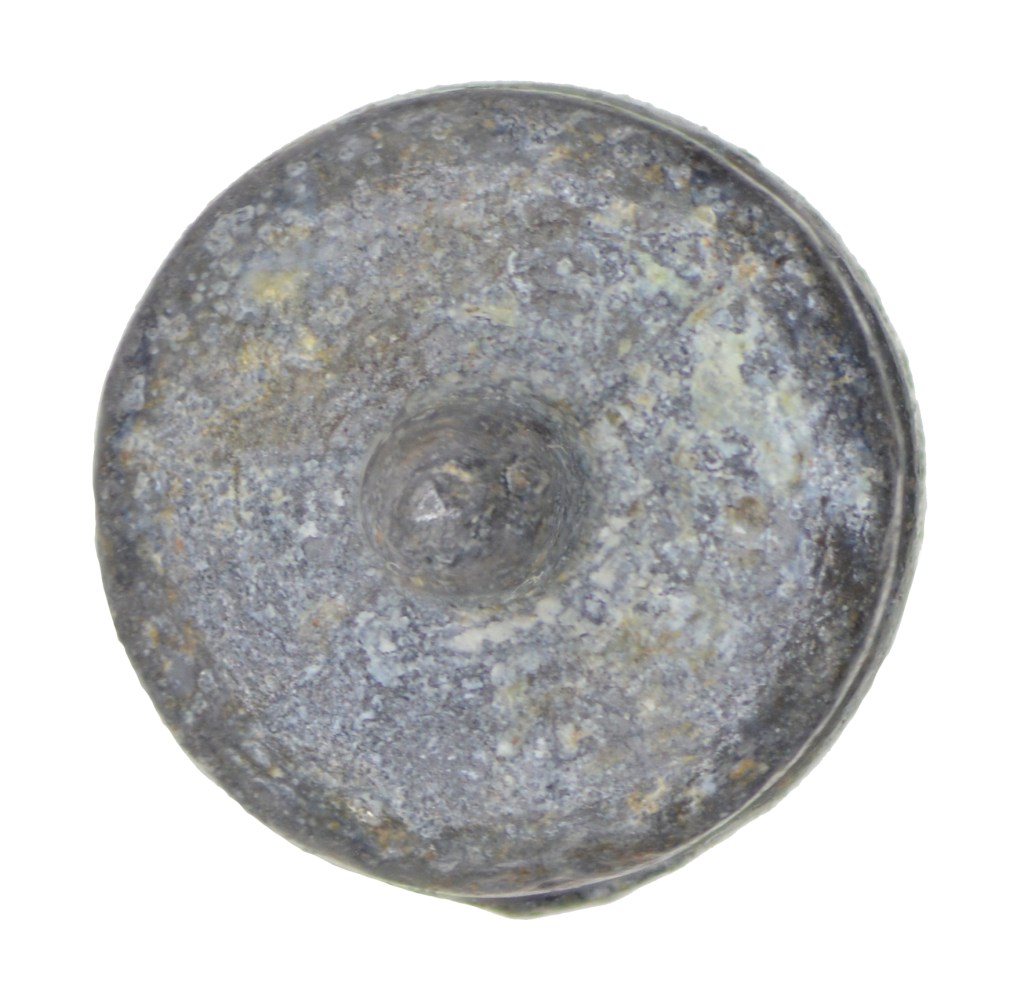
- Weight: 162 gn (10.5 g)
- Diameter: 0.432 in (11 mm)
- Length: 0.739 in (18.7 mm)
This unfired example has a knife cut sprue and still retains grease in the deep cannelure.
Adams stem bullet/cylindro-conical unfired
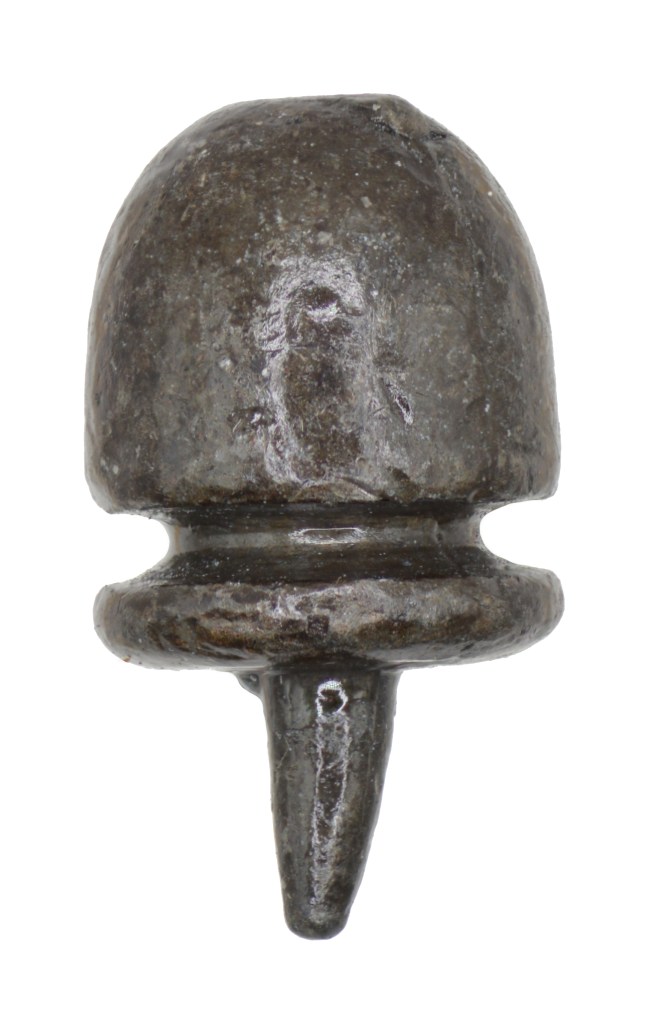
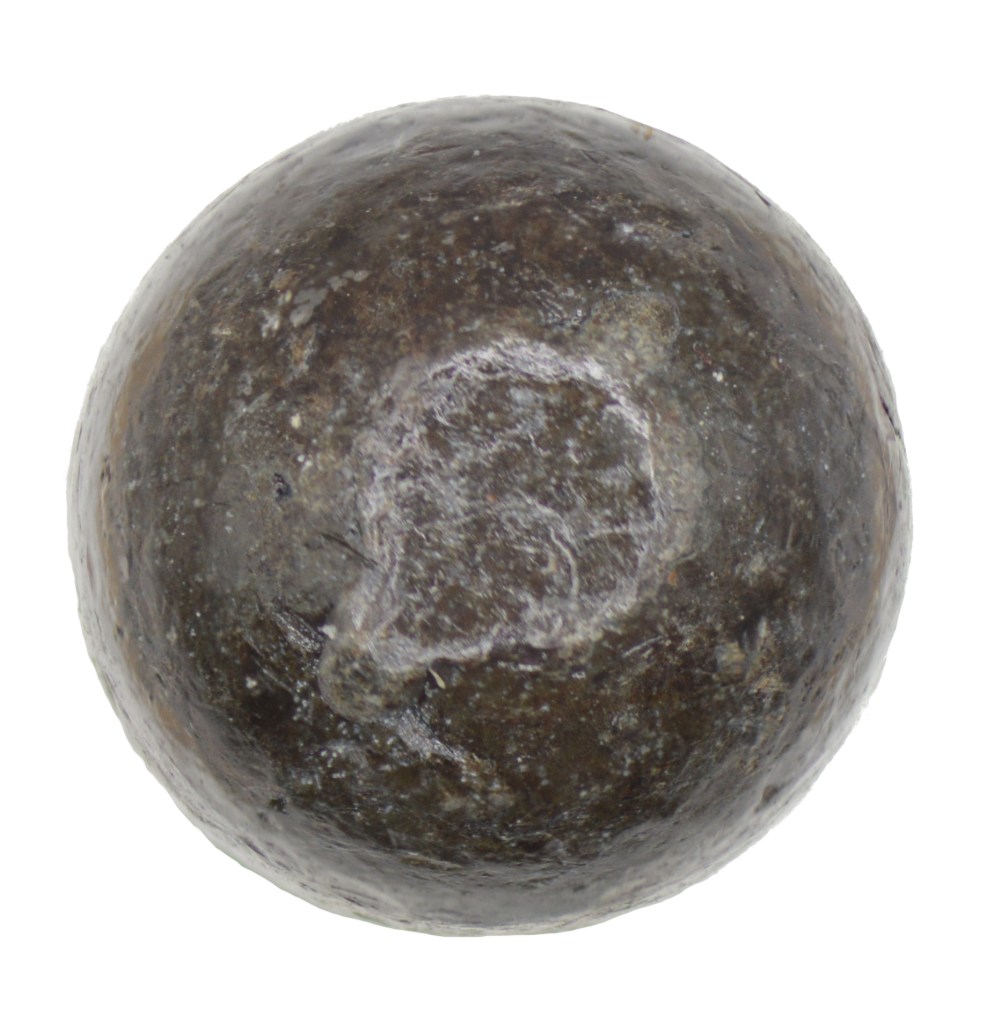
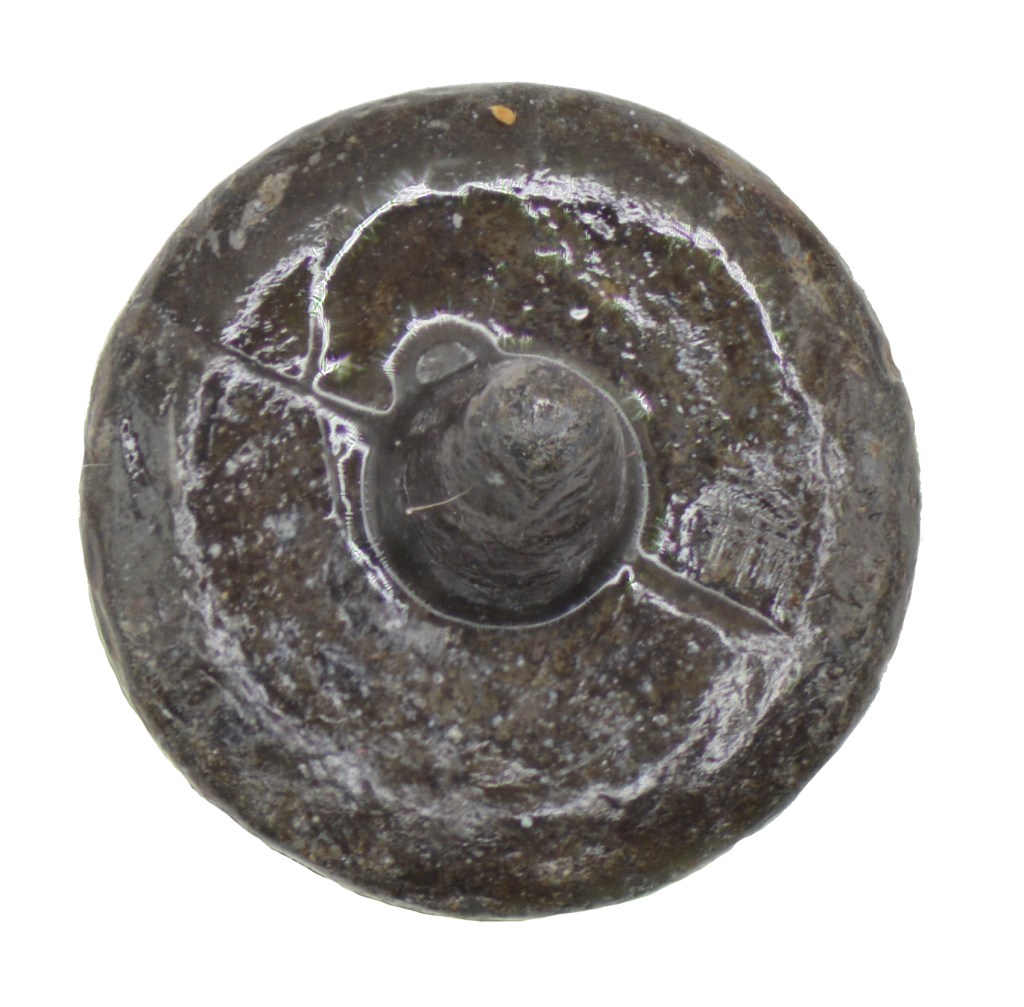
- Weight: 183 gn (11.9 g)
- Diameter: 0.443 in (11.2 mm)
- Length: 0.779 in (19.9 mm)
Another example with a knife cut sprue.
Adams stem bullet/cylindro-conical, later type
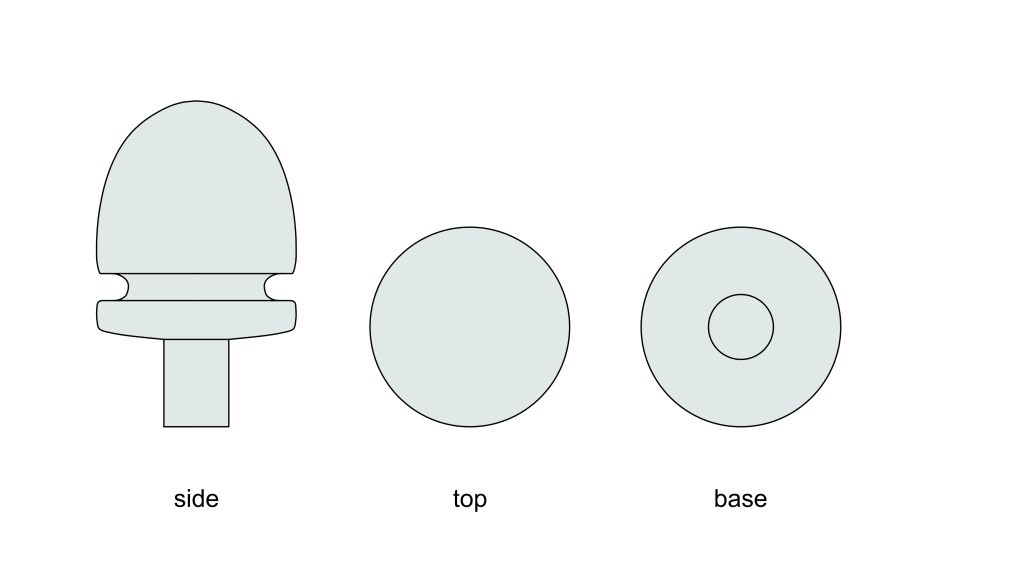
These examples, with the wider and parallel sided stem would appear to be those use with the 1854 patented Eley paper powder container version.
Adams stem bullet/cylindro-conical, later type, unfired
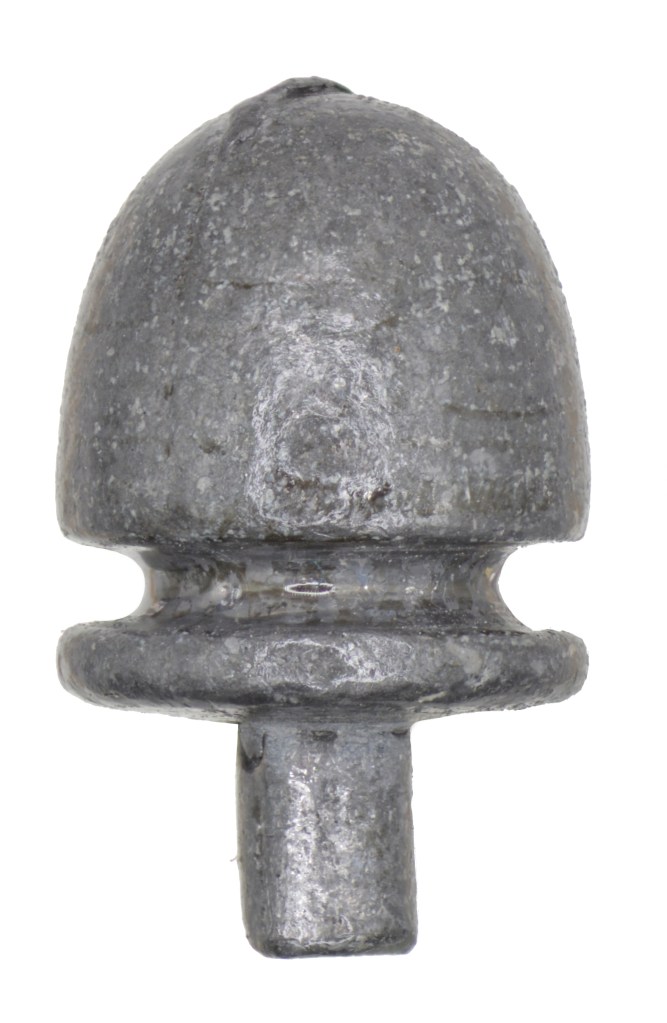
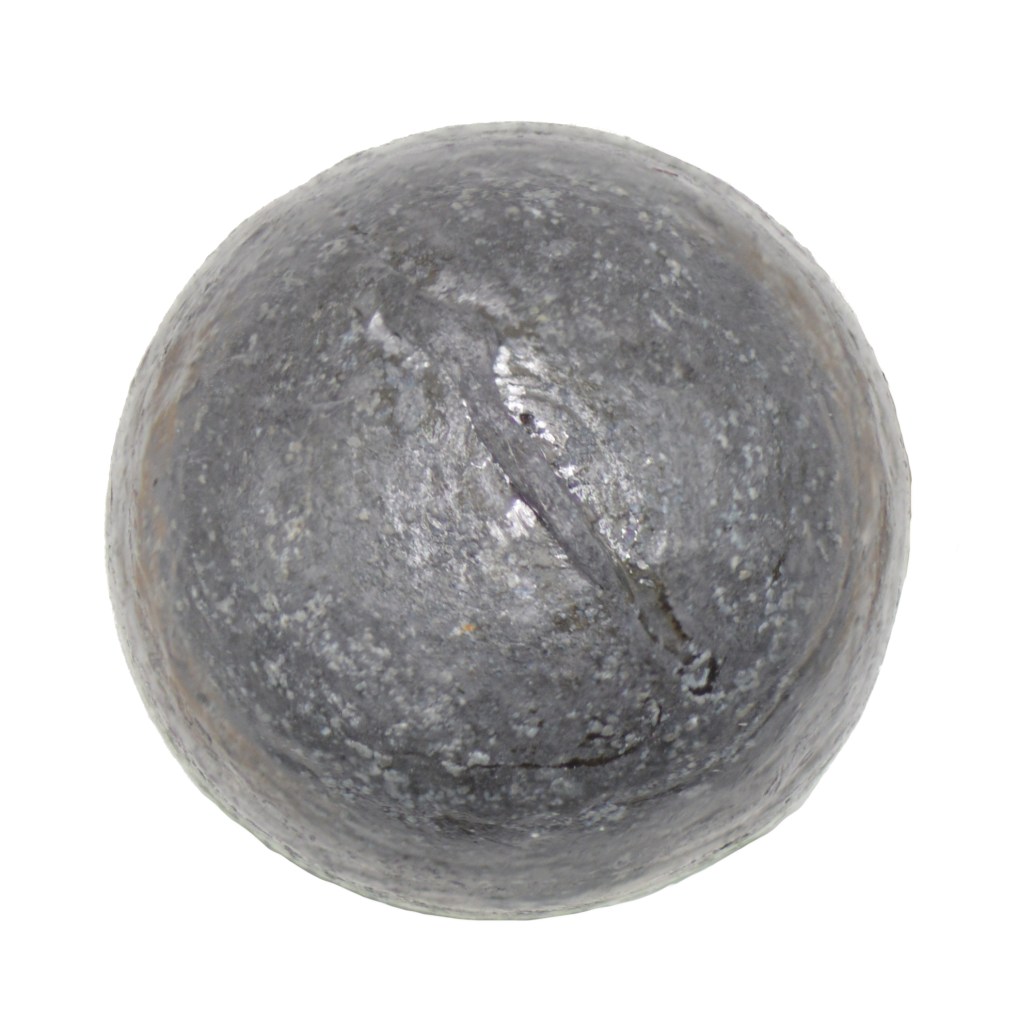
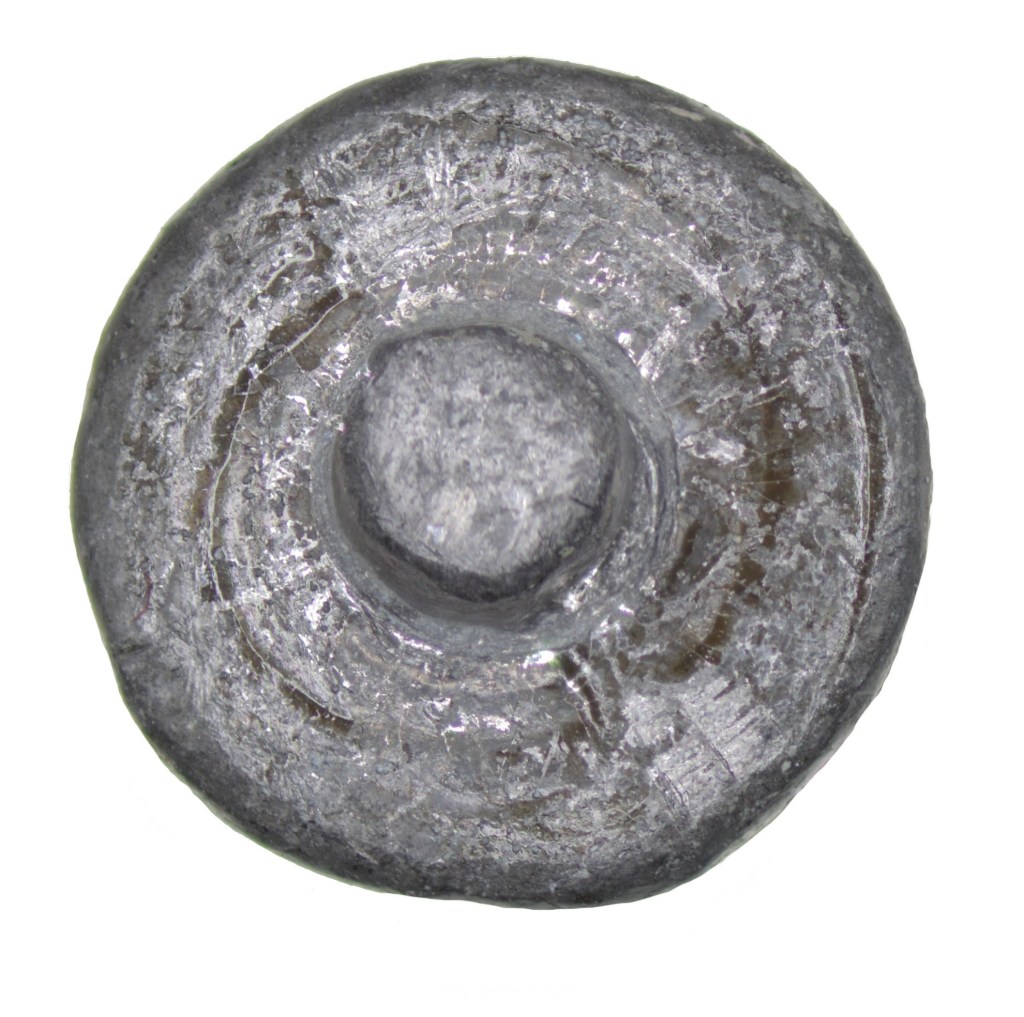
- Weight: 177 gn (11.5 g)
- Diameter: 0.445 in (11.3 mm)
- Length: 0.730 in (18.5 mm)
This example has been cast upside down, the stem forming part of the sprue and ingate.
Adams stem bullet/cylindro-conical, later type, fired
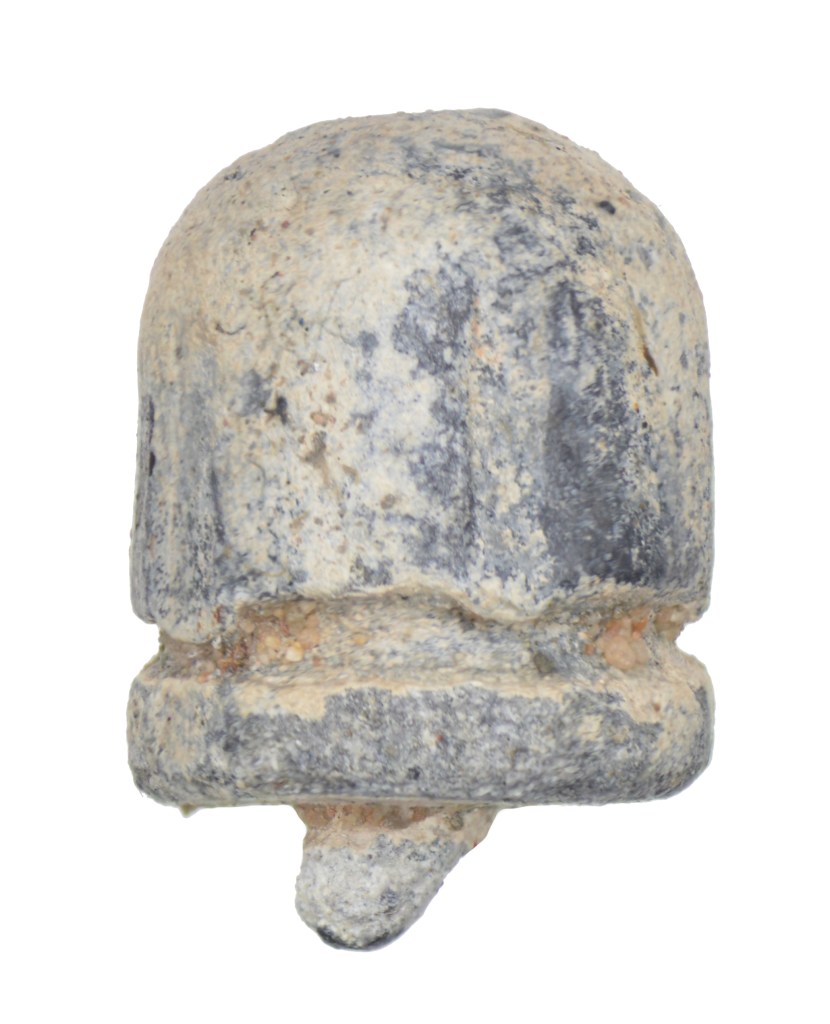
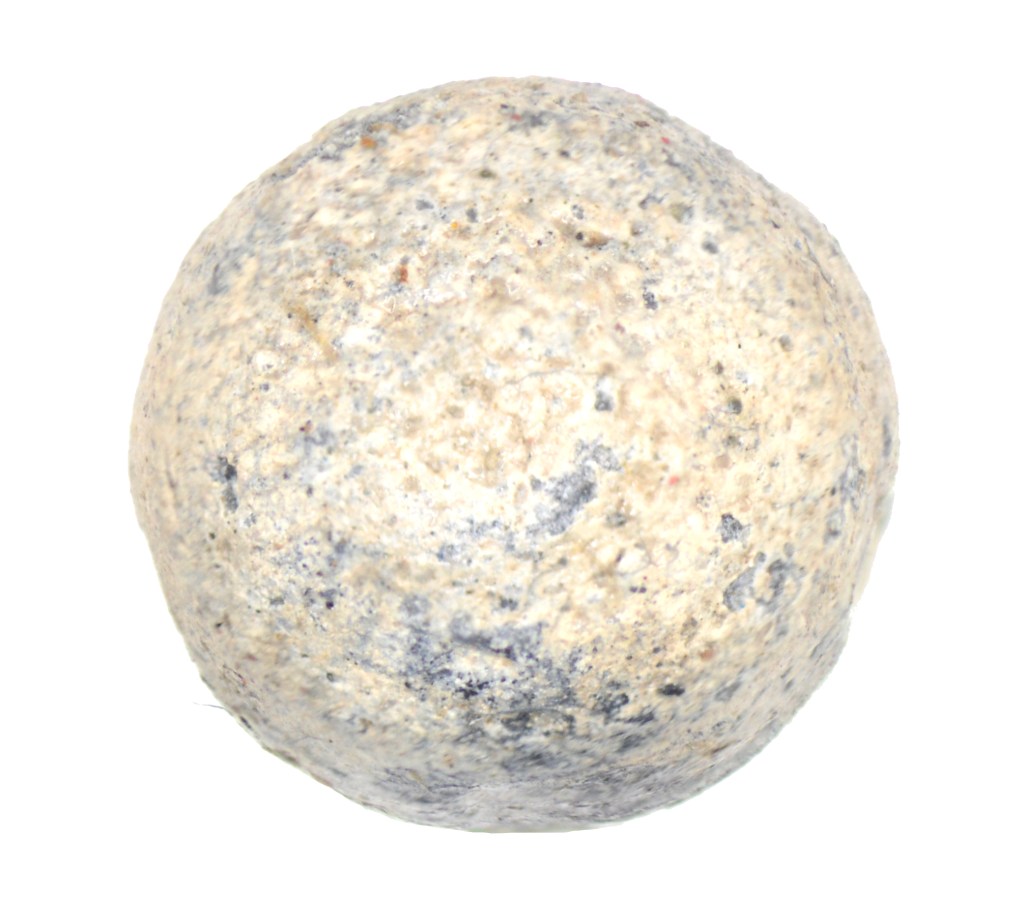
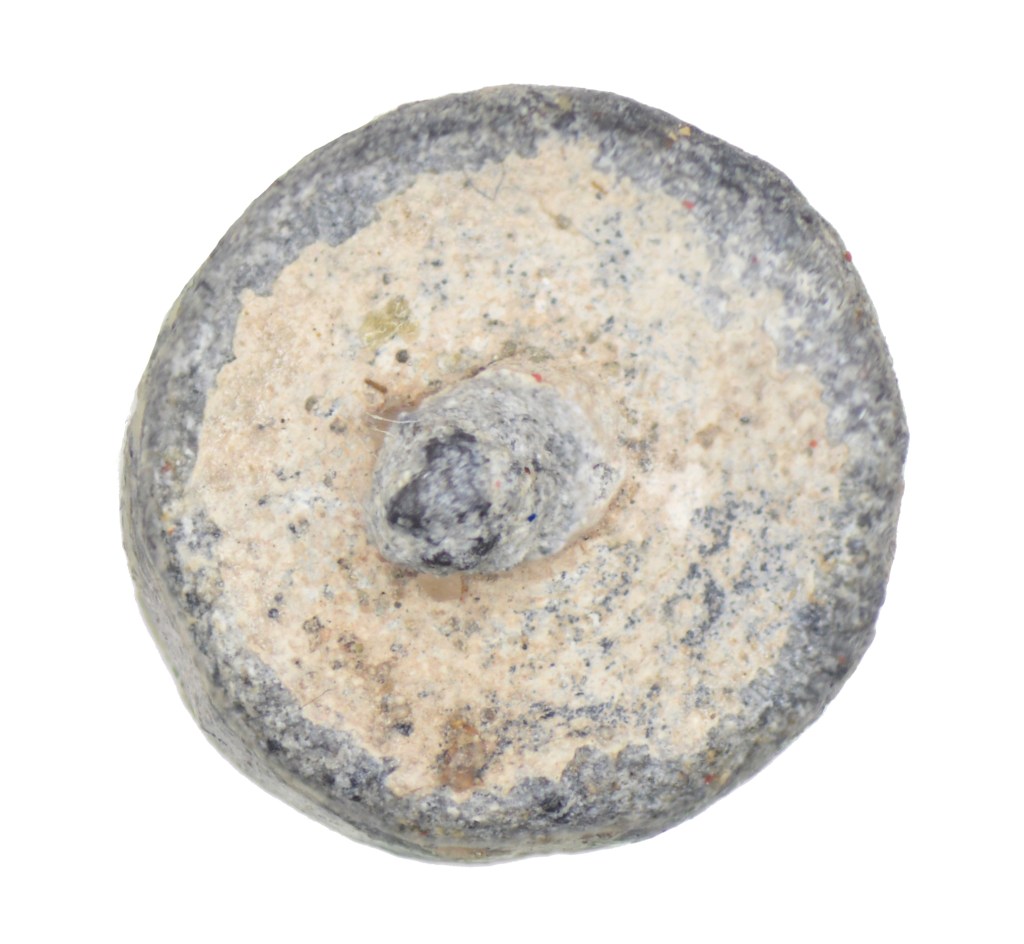
- Weight: 183 gn (11.8 g)
- Diameter: 0.435 in (11 mm)
- Length: 0.626 in (15.9 mm)
The fired bullets of the early Adams revolvers all exhibit heavy swaging, from being forced into the barrel, which is of a slightly smaller diameter than that of the cylinder. As a result they now have parallel sides and heavy rub-back, into the cannelure. This example has been fired through a 5 groove barrel. Most Adams revolvers feature 3 groove rifling, but 5 barrels with 5 grooves were also made (Illustrated Encyclopaedia of Pistols and Revolvers, Myatt, page 71). The grooves on this are thin and have a right hand twist. The bullet was cast upright, with a sprue cut at the top.
Adams stem bullet/cylindro-conical, later type, fired
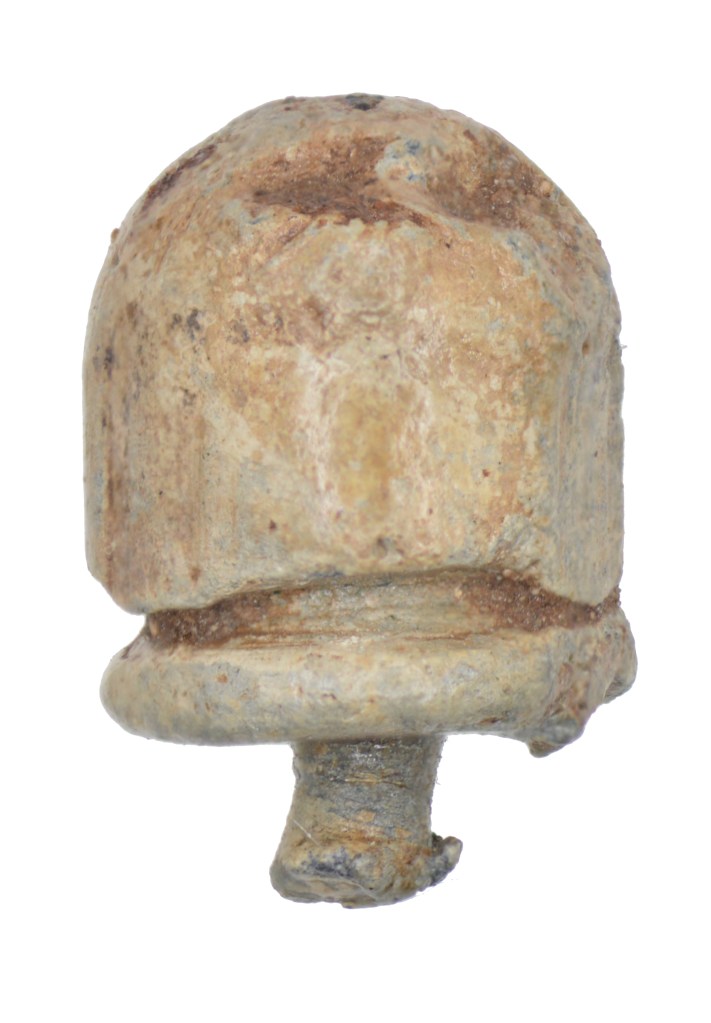
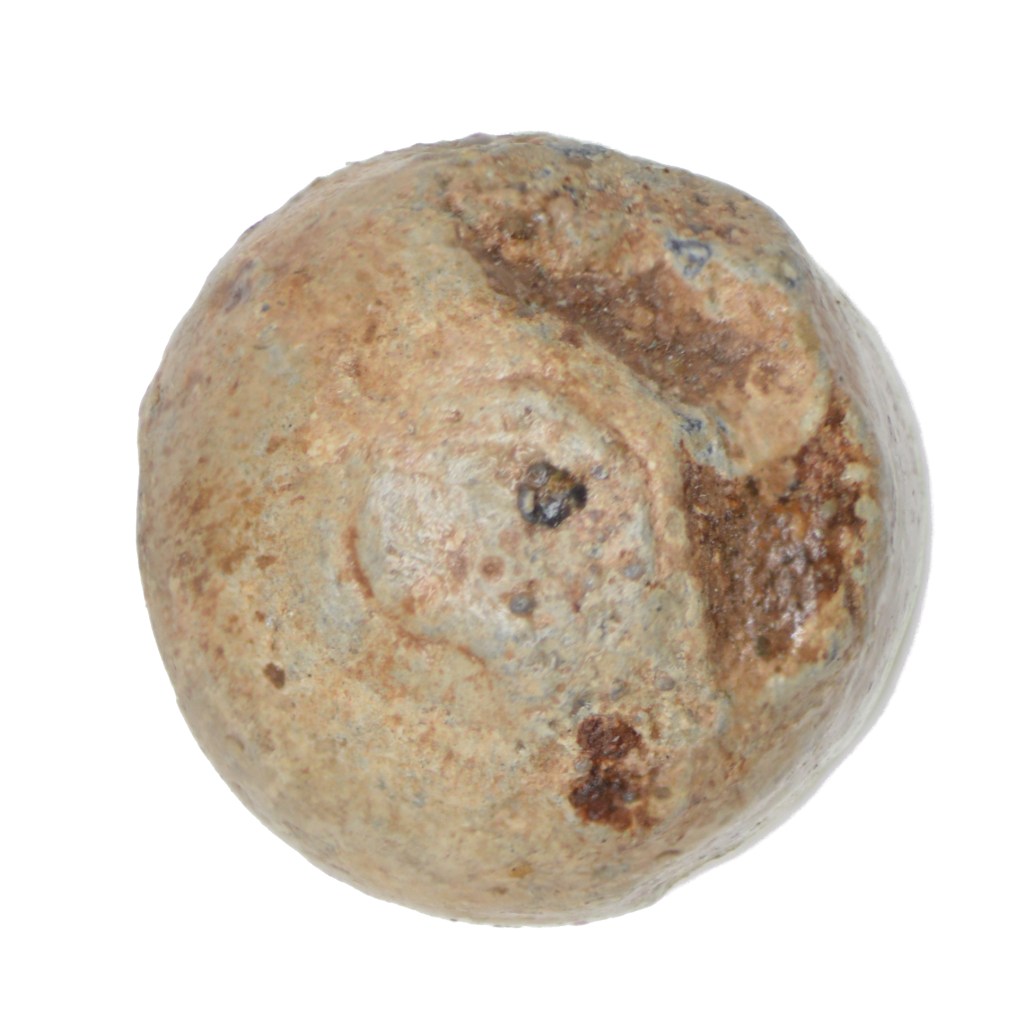
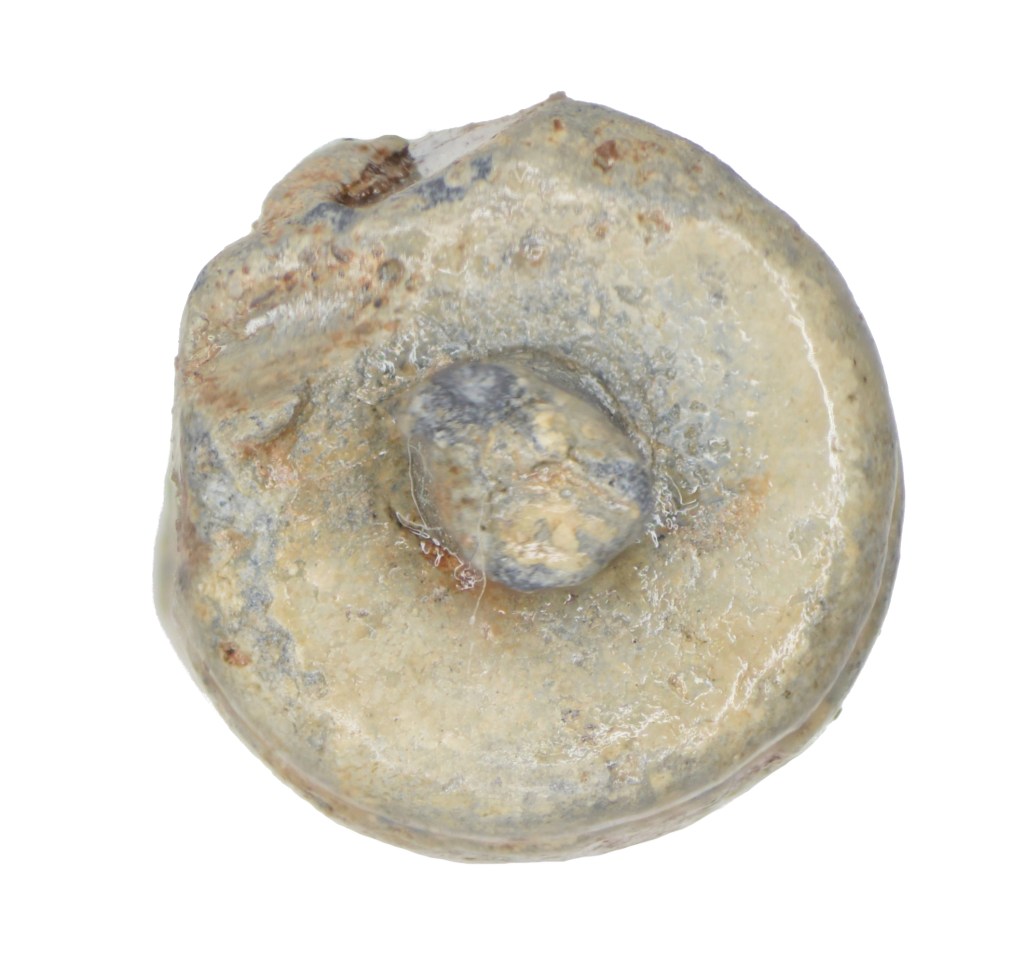
- Weight: 178 gn (11.5 g)
- Diameter: 0.441 in (11.2 mm)
- Length: 0.664 in (16.8 mm)
The standard 3 groove, right hand Adams rifling is visible on this bullet. There is heavy rub-back, pressed into the cannelure and once again the sides have been made parallel by being forced into the barrel. The stem is short and and the remains of a neatly cut sprue is visible at the top.
Adams stem bullet/cylindro-conical, later type, fired
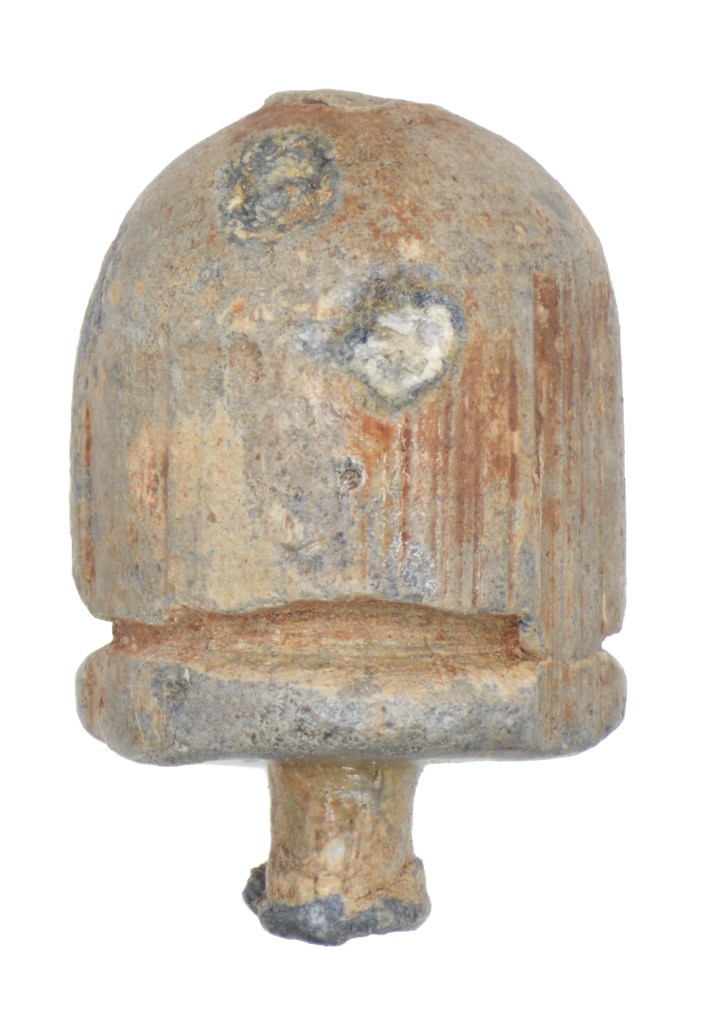
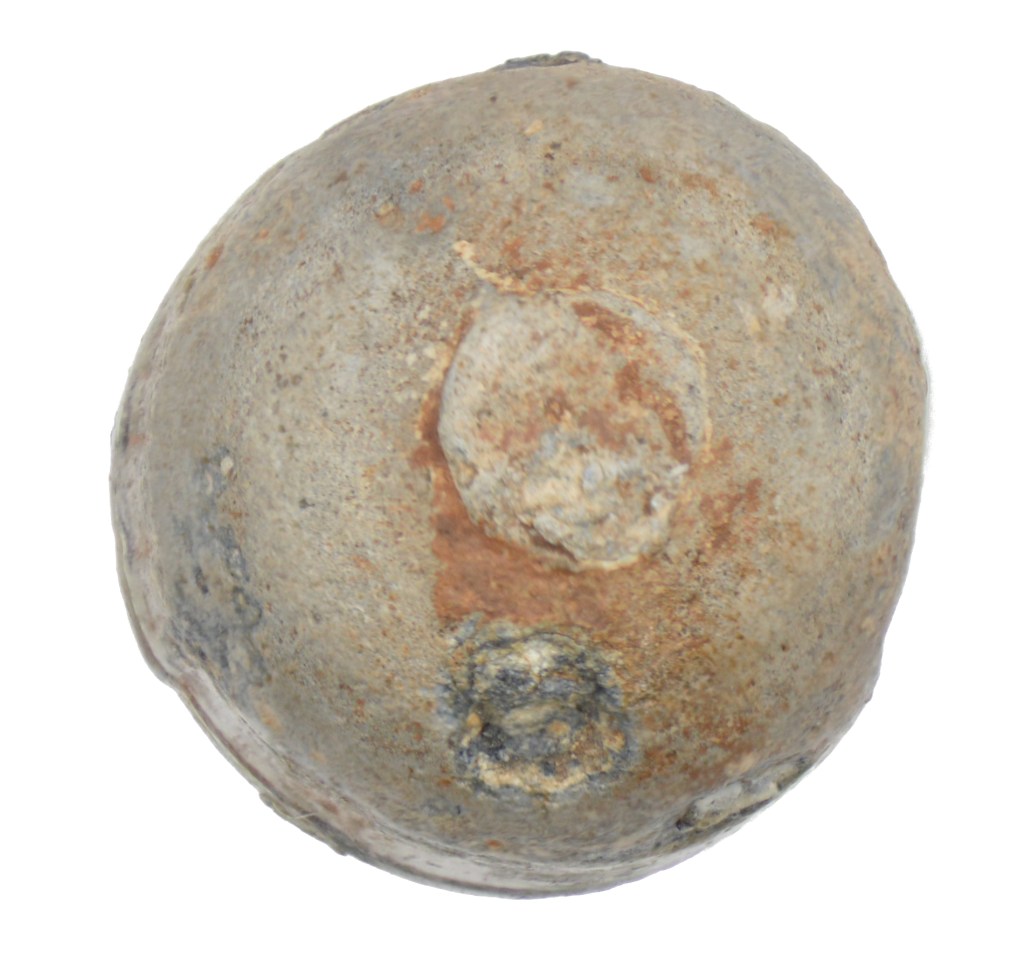
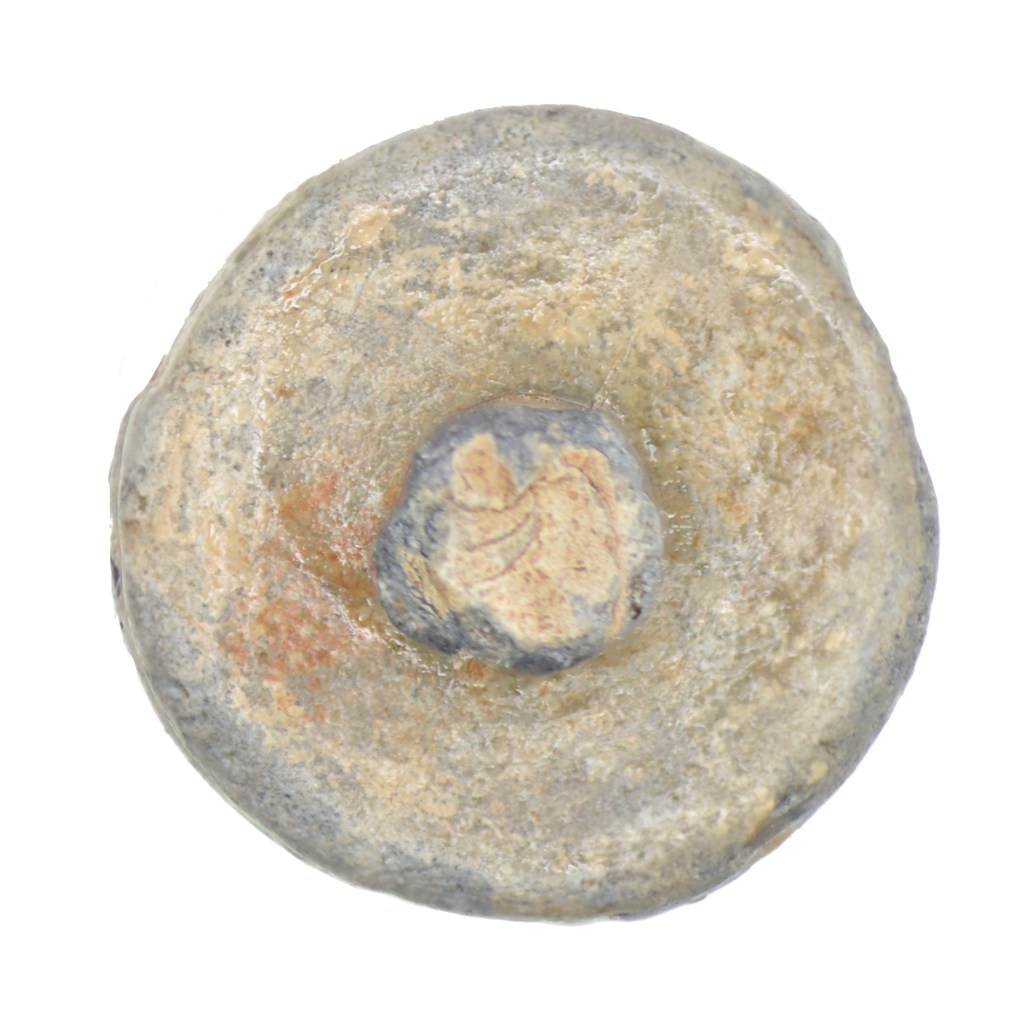
- Weight: 175 gn (11.3 g)
- Diameter: 0.437 in (11.1 mm)
- Length: 0.672 in (17 mm)
This bullet exhibits the Adams 3 groove rifling, with heavy rub back visible in the cannelure. The barrel has left many scrapes down the sides of the bullet, indicating the barrel was somewhat fouled. The short stem features a swollen end, as if the base has been widened, in the form of a rivet, to hold fast to the wad and powder container.
Adams stem bullet/cylindro-conical, later type, fired
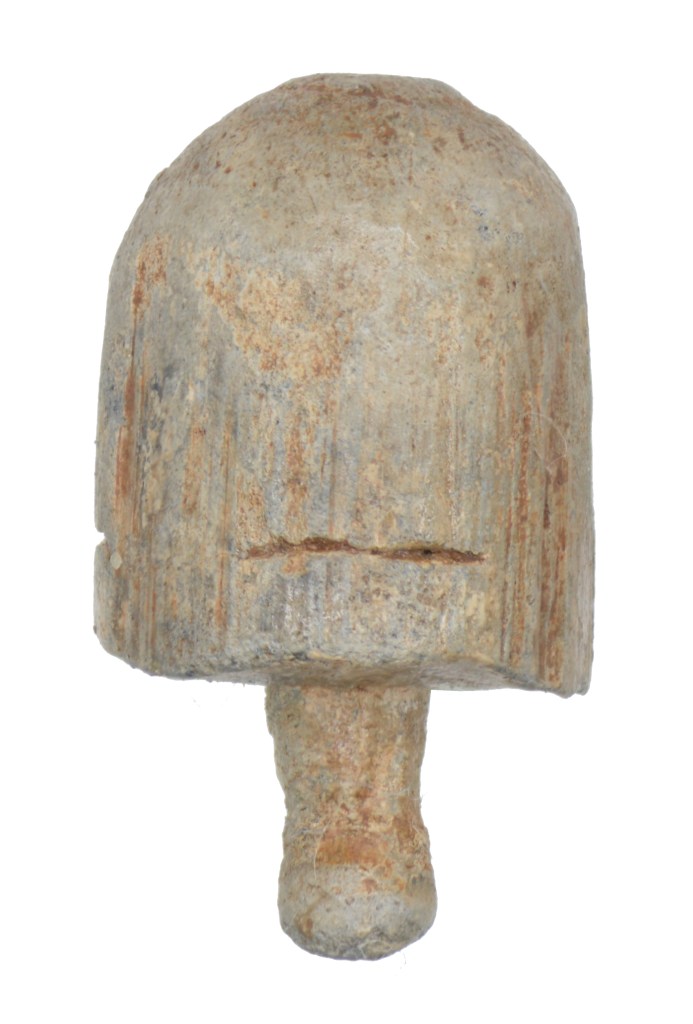
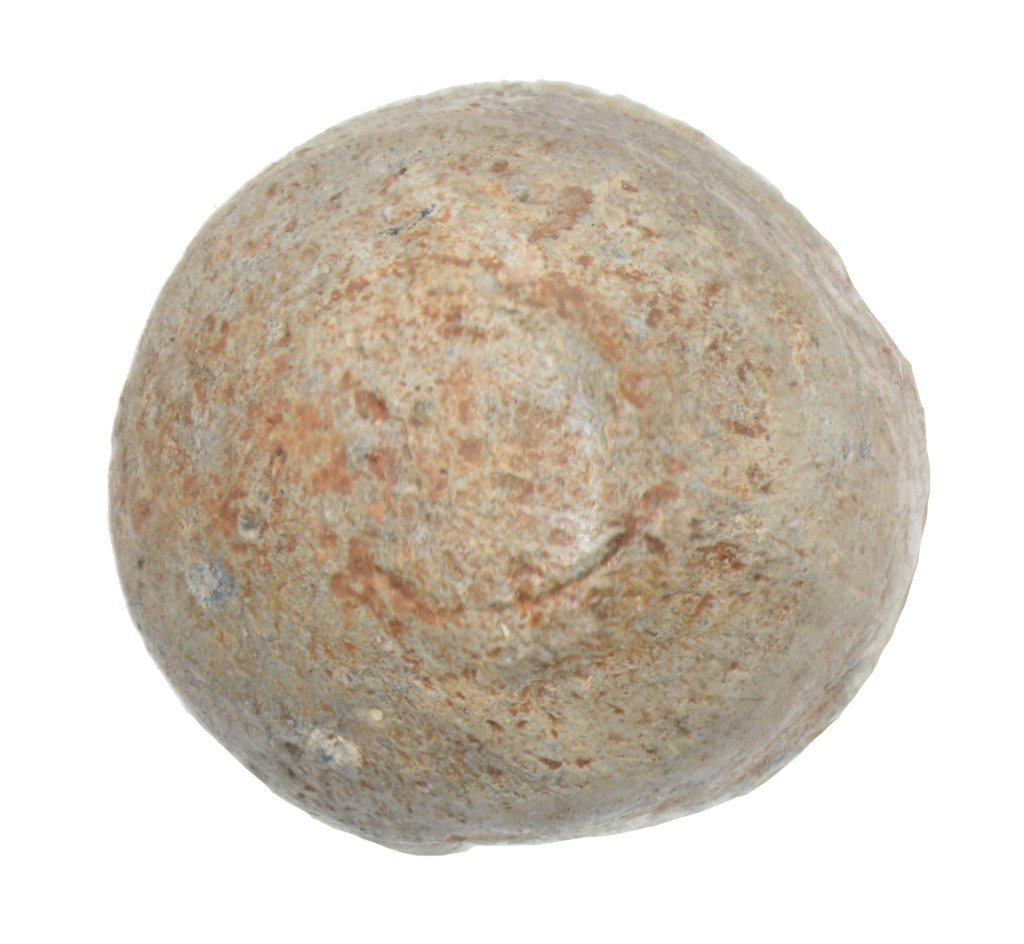
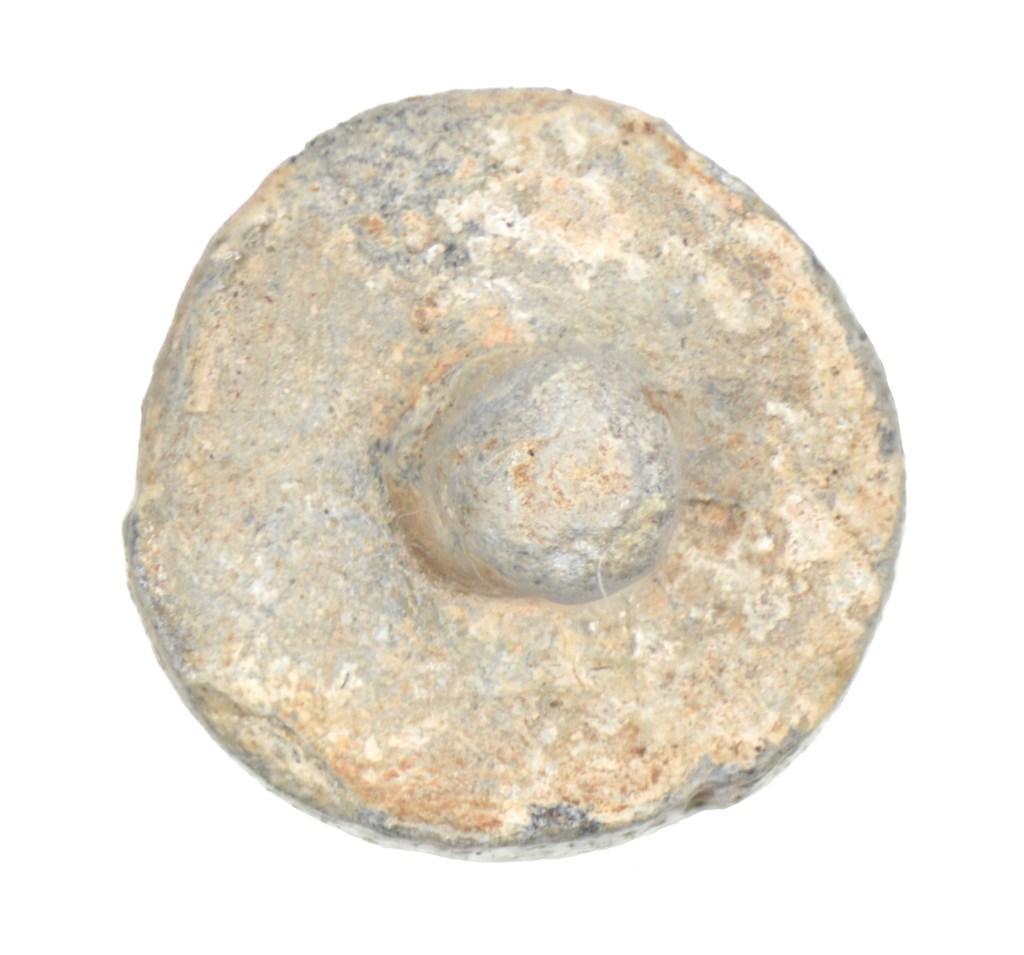
- Weight: 181 gn (11.7 g)
- Diameter: 0.436 in (11 mm)
- Length: 0.758 in (19.3 mm)
Another 3 grooved bullet, showing signs of barreling fouling scrapes. Cast upright with a longer stem than the examples shown above.
Adams stem bullet/cylindro-conical, later type, fired
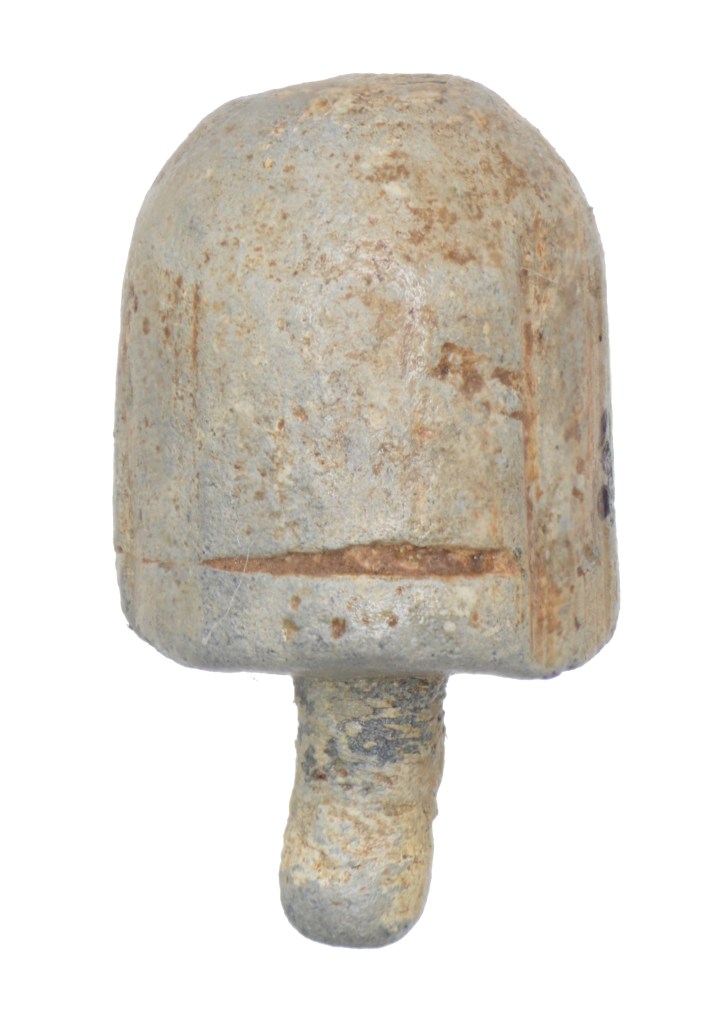
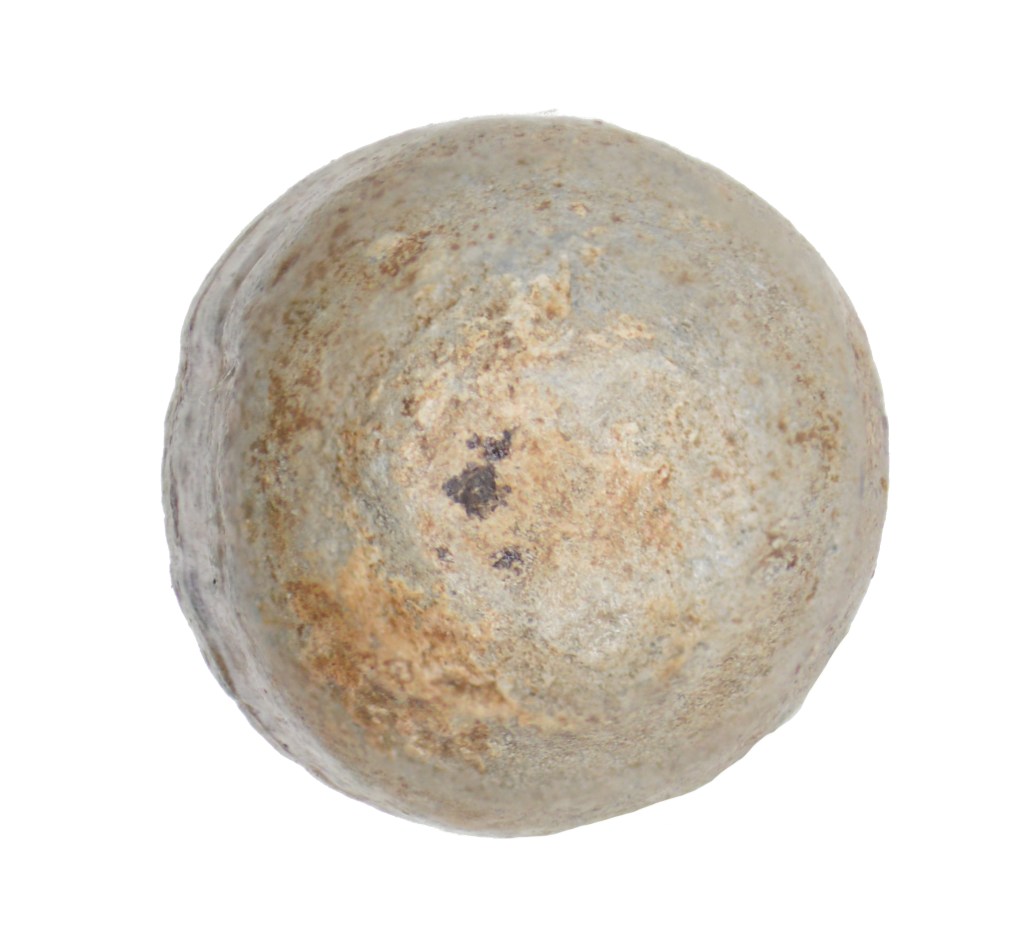
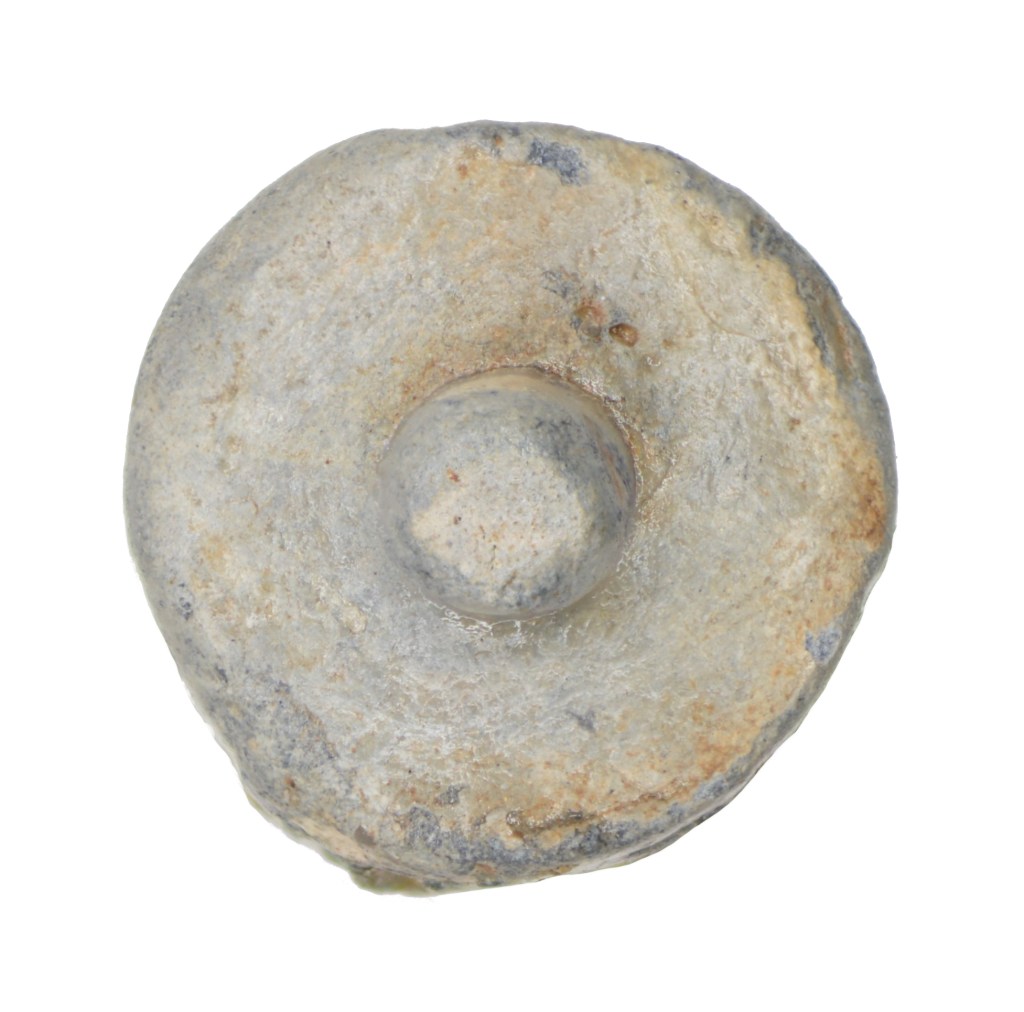
- Weight: 182 gn (11.8 g)
- Diameter: 0.436 in (11.1 mm)
- Length: 0.766 in (19.5 mm)
The cannelure has almost disappeared under the rub-back and swaging effect of the barrel. Another long stem, but the heavy barrel fouling apparent on some of the other specimens is not present here.
Adams percussion revolver
