The following two bullets are very similar to the 1st pattern Pritchetts, but they have four cannelures. Perhaps they were an early iteration of the Pritchett, perhaps a separate commercial venture, maybe they are not even related to the P53 rifle at all. The cannelures are very fine, suggesting they are for retaining lubricant, rather than acting as flight stabilisers.
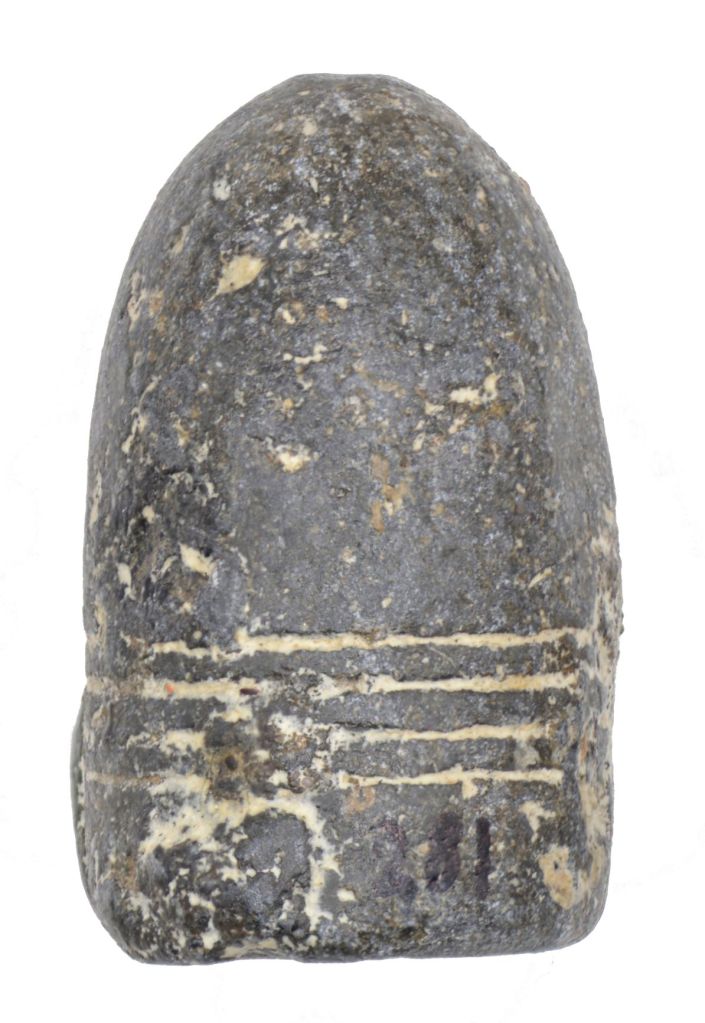
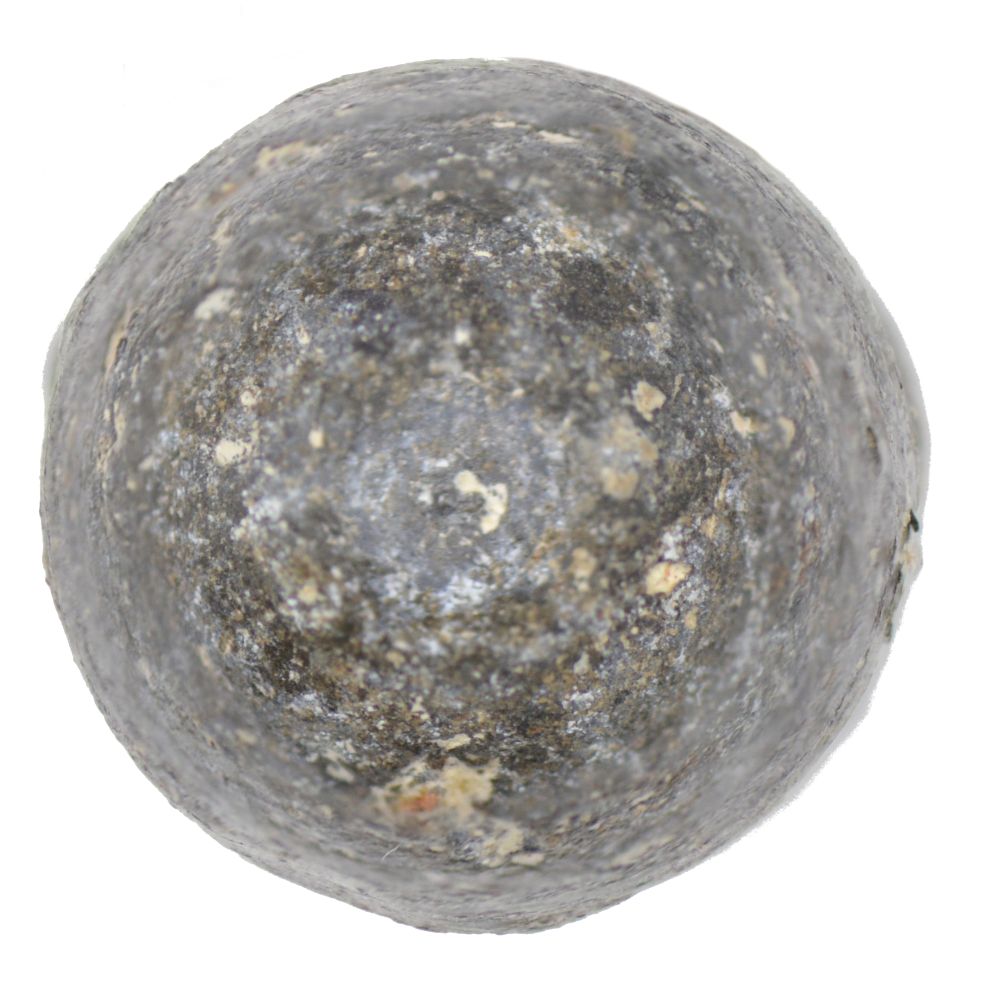
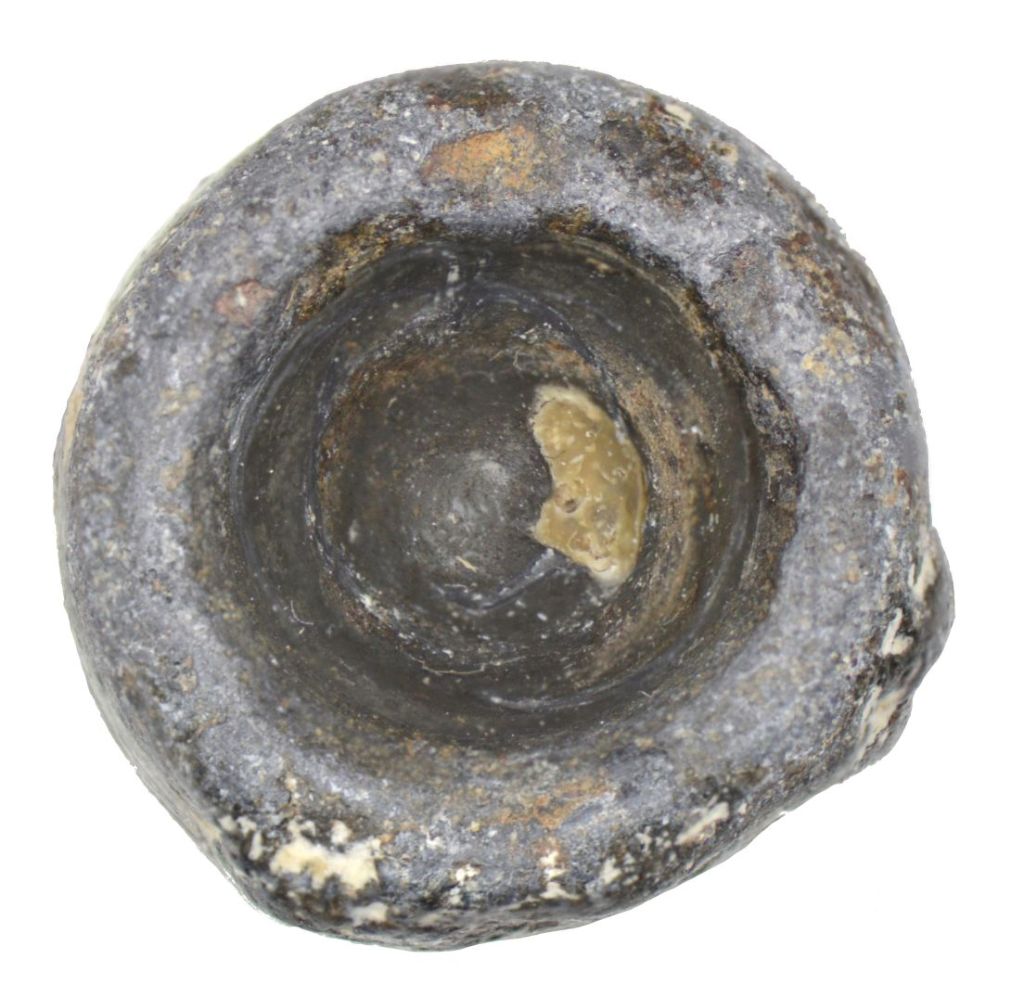
- Weight: 540 gn (35 g)
- Diameter: 0.582 in (14.8 mm)
- Length: 0.958 in (24.3 mm)
This bullet has a messy casting sprue on the side and is unfired.
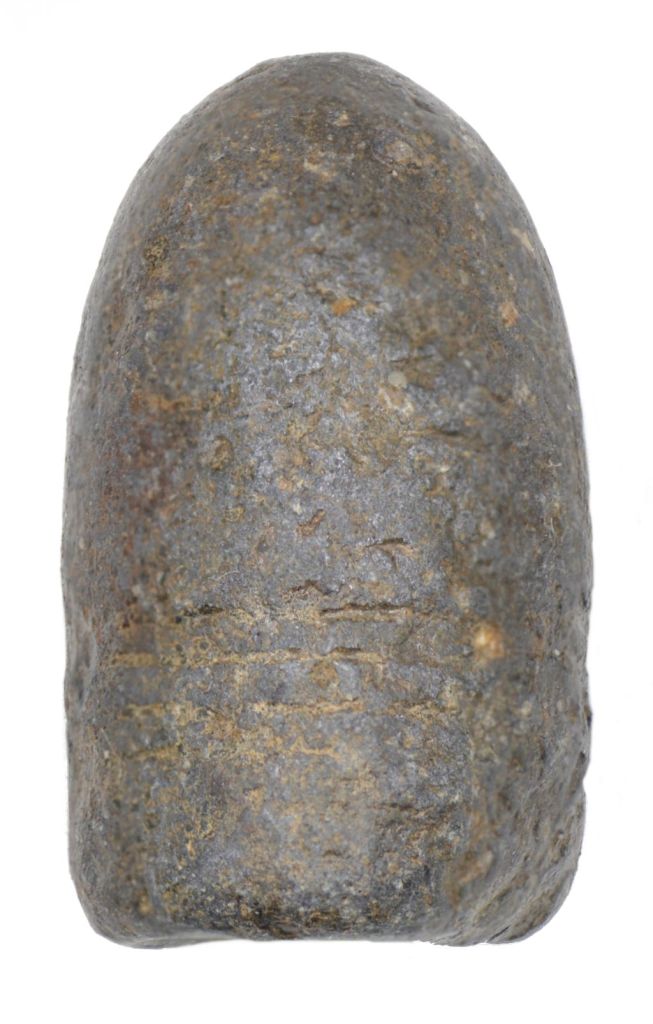
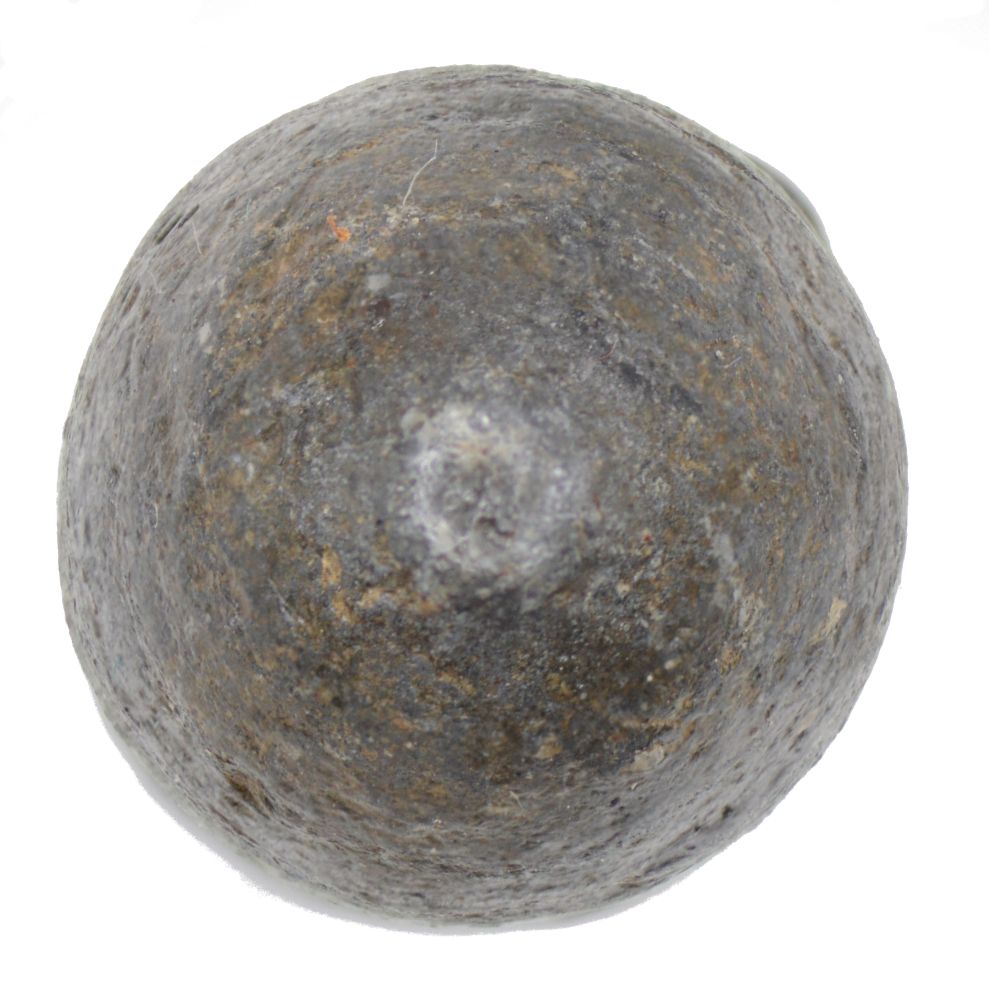
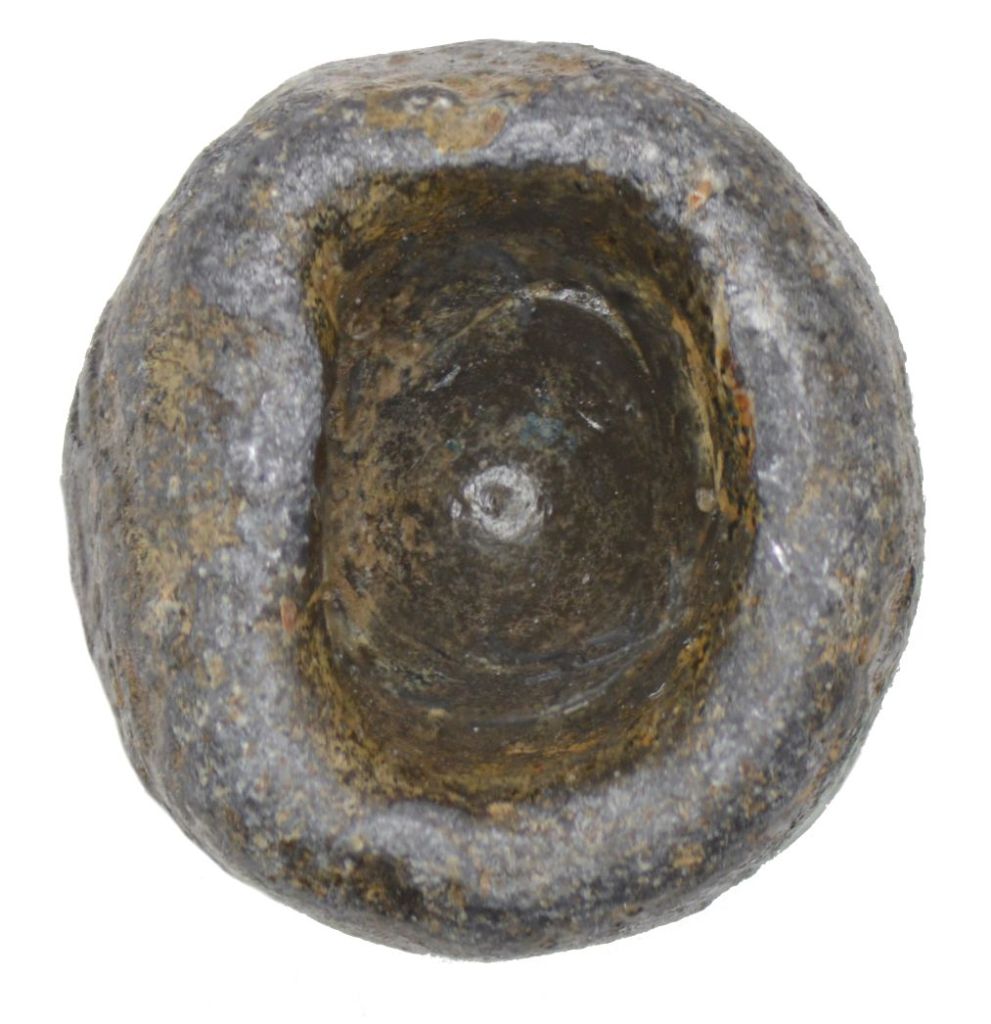
- Weight: 523 gn (33.9 g)
- Diameter: 0.575 in (14.6 mm)
- Length: 0.956 in (24.9 mm)
This example is also cast and unfired.
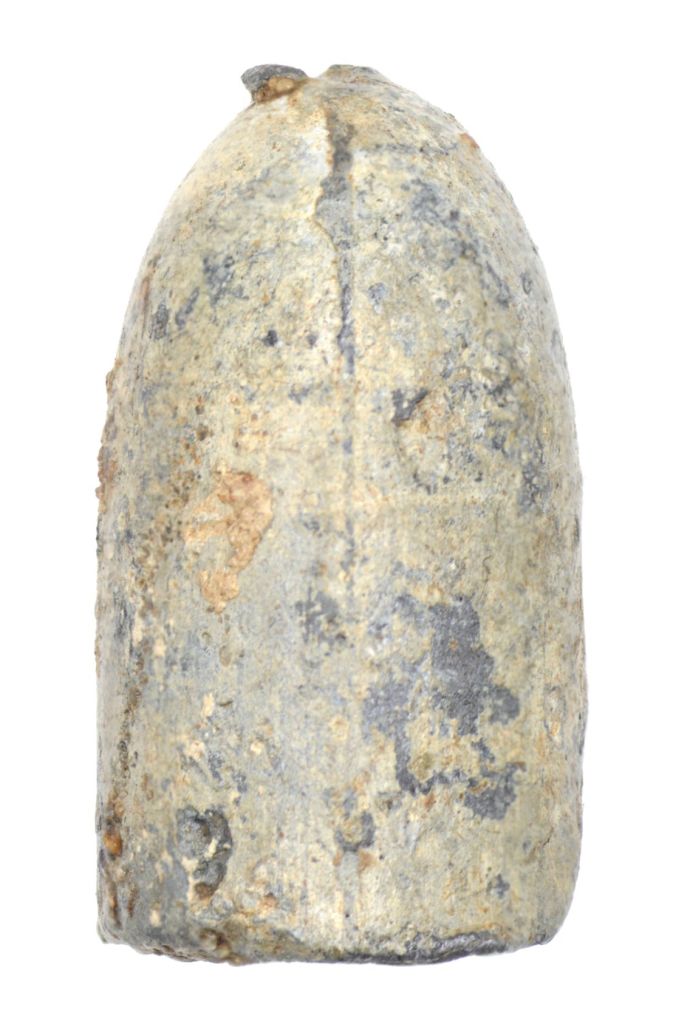
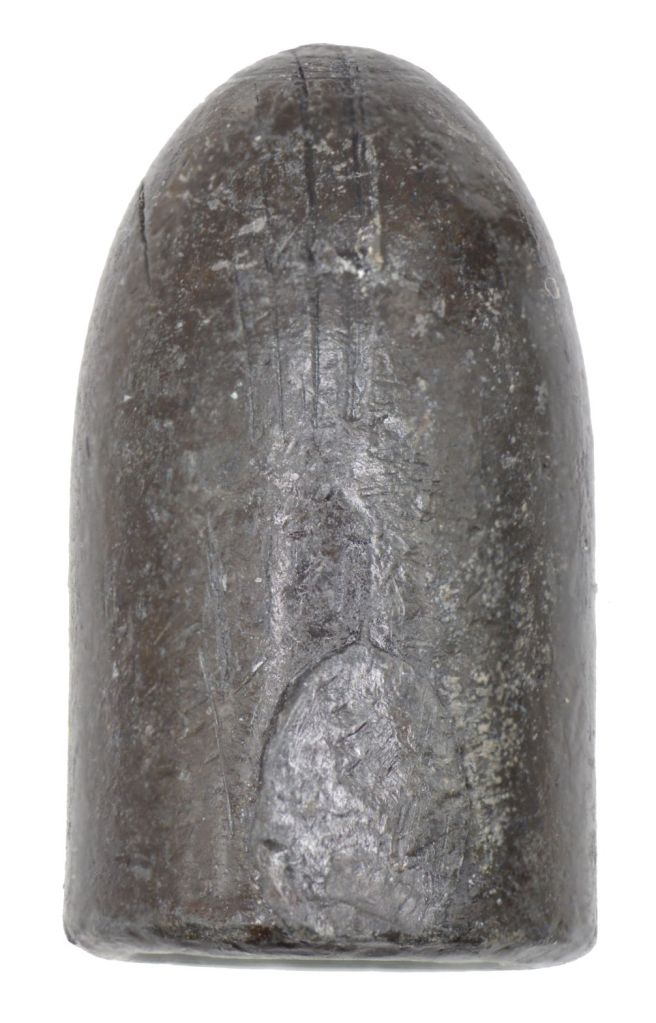
Not all P53 bullets were made on the Anderson bullet press. Bullet moulds were manufactured and retailed so that the shooter could produced their own bullets. These two examples have been cast in a mould. The first has a visible seam down its length, and while the second also has a seam, it also has the remains of the sprue (the large egg shape towards the base). This is the ingate through which the molten lead was poured and after the bullet was removed from the mould this was cut off with a knife.
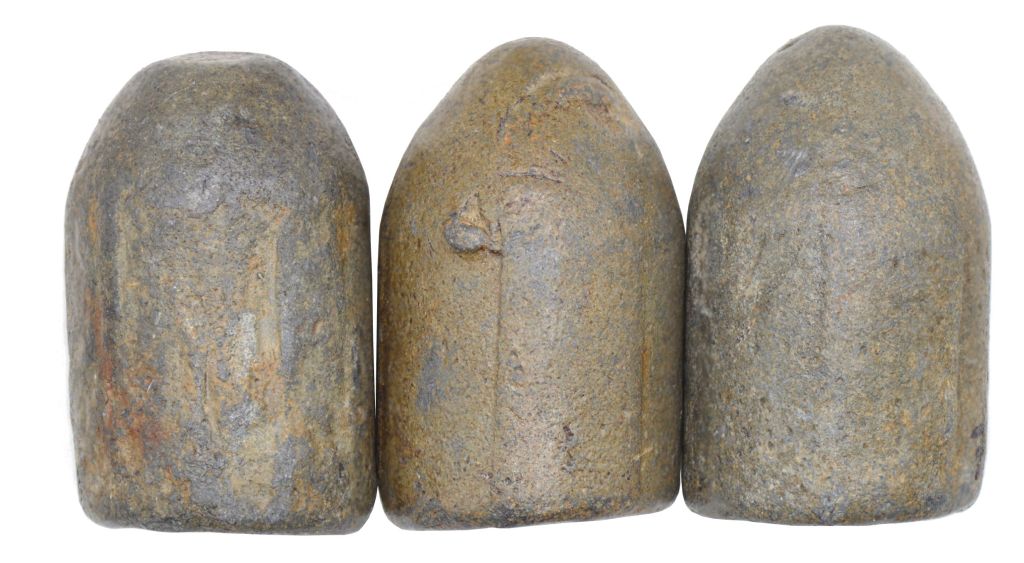
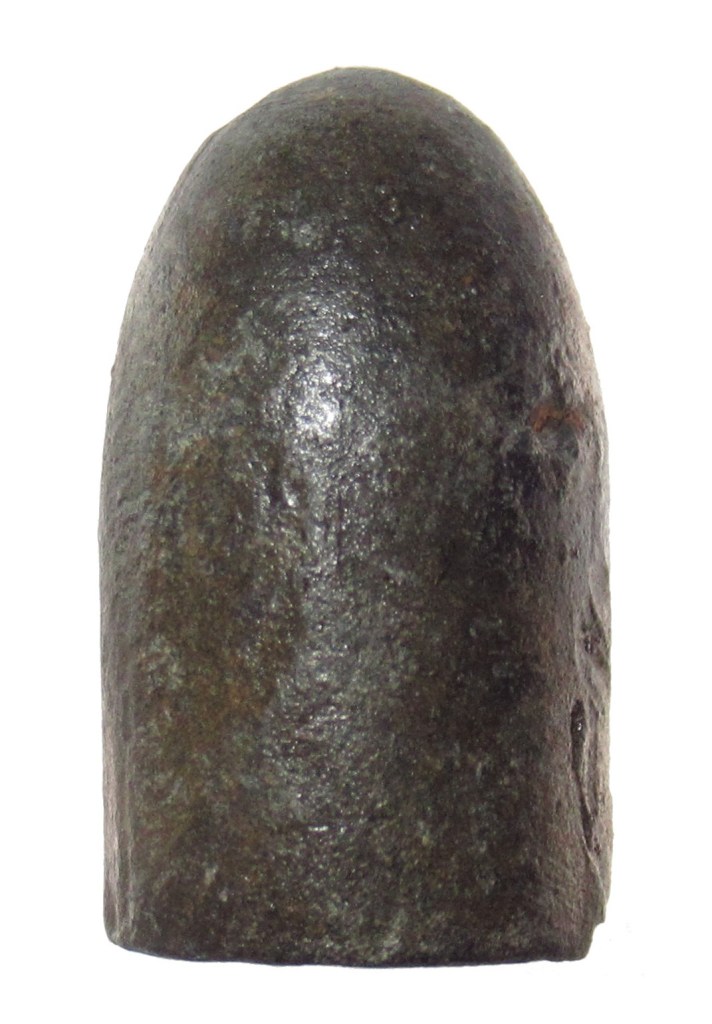
Are these even P53 bullets? They are particularly short and tips of the bullets are somewhat pointed, rather than having the standard rounded nose. They weigh between 505 gn and 520 gn, have diameters between 0.575 and 0.588 in, have a Pritchett style cavity, are engraved with three groove rifling and came from an assemblage that contained Royal Laboratory bullets. Perhaps they were cast in a custom mould. Moulds often had a screw in base, containing the cavity shape (in reverse) and in theory this was adjustable, increasing and decreasing the length of the bullet as wished, although this has the undesirable effect of changing the weight of the bullet. The example on the right is a factory made 1st pattern Pritchett, for comparison.
4th pattern reduced diameter and wooden and clay plug 1859
P53 variations
